

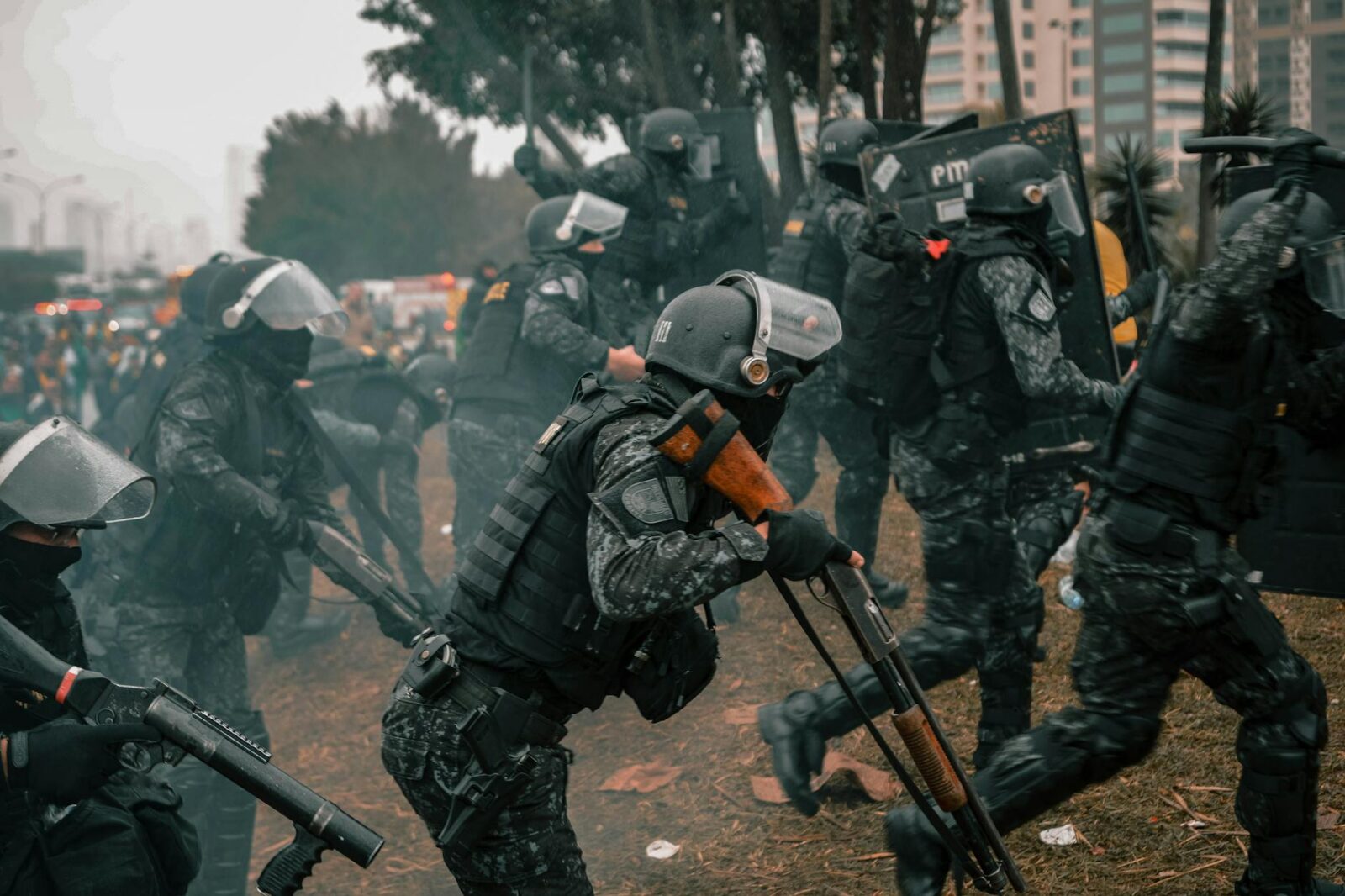
In a tragic continuation of violence, the death toll in Gaza has surged to 930 Palestinians within the last 48 hours, despite a declared ceasefire. This alarming statistic underscores the fragility of the ceasefire agreements and the dire humanitarian situation faced by civilians in the region. The renewed hostilities have drawn international condemnation and raised serious questions about the effectiveness of current diplomatic efforts to stabilize the area.
The situation escalated as clashes between Israeli forces and Palestinian groups intensified, particularly in densely populated areas of Gaza. Civilians have borne the brunt of this conflict, with reports indicating that many of the casualties are women and children. The ongoing violence is a stark reminder of the complex and deeply rooted issues that plague the Israeli-Palestinian conflict, which has seen recurrent cycles of violence and failed peace initiatives.
This escalation is critical not only for the immediate humanitarian impact but also for its broader geopolitical implications. The international community, including the United Nations and various nations, has expressed concern over the deteriorating situation. The high civilian death toll could ignite further unrest in the region, potentially destabilizing neighboring countries and leading to a wider conflict. Furthermore, it raises pressing questions about the adequacy of existing peace processes and the international community’s role in mediating a sustainable resolution.
Looking ahead, the potential for increased violence remains high unless effective measures are implemented to protect civilians and address the underlying causes of the conflict. This may include renewed diplomatic efforts, humanitarian aid, and a reassessment of international policies regarding the Israeli-Palestinian conflict. The world must pay attention to these developments, as the consequences of inaction could reverberate far beyond the borders of Gaza.
Source: – IMEMC News










PAG Maintains Overweight Rating with Price Target Adjustment to $220
This adjustment signals confidence in PAG's growth potential, impacting investor sentiment and...
 1 Mins read

EchoPark Emerges as Beacon of Hope for Superspeedways Amid NASCAR’s Evolution
The transition to EchoPark signifies a pivotal moment for NASCAR's future and...
1 Mins read

New York Mets Mid-Season Player Evaluations Highlight Team’s Strategic Challenges
The New York Mets' mid-season evaluations underscore critical decisions facing the franchise...
1 Mins read



Lindsey Graham’s Sister Appointed to U.S. Senate Amid GOP Efforts to Solidify Majority
The appointment of Lindsey Graham's sister to the Senate underscores the GOP's...
1 Mins read
