
Confectionery: The “Haute Dessert” Trend—Where Fashion and Sweets Collide
 ABLUpdated 11 months Ago4 Mins read373
What Is the “Haute Dessert” Trend?
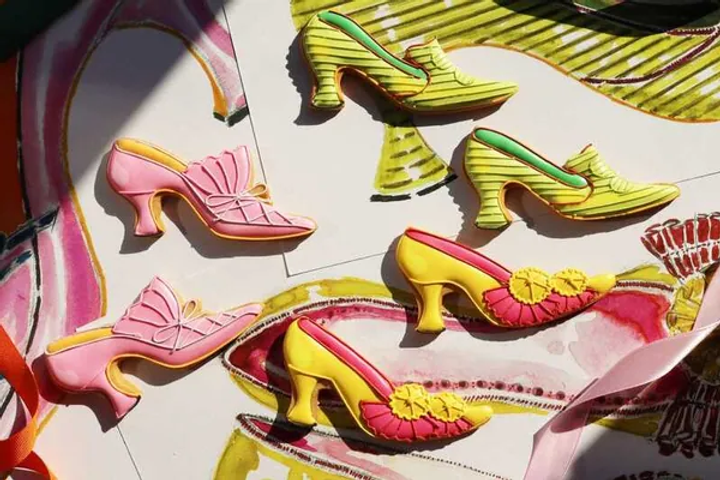
The “Haute Dessert” trend is revolutionizing the culinary landscape by merging high-fashion aesthetics with gourmet creations. This innovative movement transforms everyday treats into limited-edition masterpieces, exemplified by collaborations like those between Biscuiteers and renowned designer Manolo Blahnik. Their stiletto-inspired cookies draw inspiration from iconic shoe designs, turning runway glamour into edible art.
Fashion Meets Food
At the heart of the Haute Dessert trend is the seamless collaboration between couture design and artisanal baking. This partnership elevates cookies from mere snacks to collectible art pieces, allowing consumers to experience luxury fashion in a tangible way. The intricate designs and high-quality ingredients make these treats not only visually stunning but also a delight for the palate.
Cultural Fusion
The inspiration behind these cookies extends beyond fashion; they are rooted in cultural storytelling. For instance, Blahnik’s designs for the Marie Antoinette Style exhibition at London’s Victoria & Albert Museum connect dessert-making with historical narratives. This fusion appeals to both fashion aficionados and history enthusiasts, creating a multi-layered experience that resonates on various levels.
Luxury Packaging
The presentation of these cookies is as important as the treats themselves. Packaged in bespoke tins adorned with Blahnik’s sketches, these cookies serve as keepsakes long after the last bite. This luxurious packaging transforms the product into a memorable souvenir, enhancing its appeal and making it a desirable item for collectors.
Why It Is the Topic Trending: Couture You Can Eat
The Haute Dessert trend is gaining traction for several reasons. First, it combines two forms of craftsmanship—shoemaking and baking—into a single, beautifully designed experience. This speaks to consumers’ growing appetite for luxury that is both playful and indulgent.
Social Media Magnet
The visual allure of these hand-iced cookies makes them highly shareable on social media platforms. Designed to go viral, these treats not only satisfy a sweet tooth but also serve as eye-catching content for Instagram feeds, driving organic buzz and free marketing.
Collectible Factor
The limited-edition nature of these cookies, tied to prestigious exhibitions, adds an exclusivity factor that encourages purchases. Consumers are motivated to own a small piece of fashion history, making these cookies more than just a treat—they become a collectible item.
Cultural Moment
With London’s fashion and art scene thriving, this collaboration feels perfectly timed. It offers museum-goers an immersive, multi-sensory connection to the exhibit, enhancing their overall experience and encouraging repeat visits.
Cross-Industry Appeal
The collaboration attracts a diverse audience, including fashion fans, foodies, and cultural tourists. This broadens the potential customer base and positions the partnership as a lifestyle experience rather than merely a product.
Trend Themes
Fashion-Inspired Confectionery
Collaborations like this turn desserts into the edible counterparts of wearable art. Consumers can engage with couture design in a fun, delicious way that feels less intimidating than shopping for luxury fashion.
Limited-Edition Culinary Artistry
The intricate icing on these cookies mimics the detail of Blahnik’s iconic shoes, creating a sense of scarcity that elevates them into collectible items worth savoring.
Museum-Themed Culinary Creations
By tying the product to an exhibition, the experience becomes part of cultural tourism. This strategy drives foot traffic to the museum while adding a layer of edible storytelling.
Industry Implications
Luxury Fashion
Partnerships like this allow fashion brands to expand into lifestyle categories, deepening emotional connections with customers who may not otherwise own a pair of Manolos.
Gourmet Food
Premium bakeries gain cultural cachet by aligning with iconic fashion houses, creating opportunities for future cross-industry collaborations that can redefine culinary luxury.
Cultural Tourism
Museums can enhance engagement and revenue by offering themed culinary products. Visitors leave with sensory memories tied to the exhibit, encouraging repeat visits and fostering a deeper connection to the art.
Consumer Motivation: Why We’re Eating Our Couture
Accessible Luxury
These cookies allow consumers to own a piece of Manolo Blahnik at a fraction of the price of his shoes, making high fashion feel approachable while still retaining an air of exclusivity.
Instagram-Worthy Appeal
The detailed designs are perfect for social media, enabling buyers to showcase their stylish purchases and driving organic buzz.
Souvenir Effect
The illustrated tins make the purchase feel like a collectible keepsake, extending the value of the purchase beyond the moment of consumption.
Multi-Sensory Experience
Eating cookies inspired by iconic designs makes fashion more interactive, providing a deeper emotional connection to the brand and the exhibit. Consumers aren’t just buying sweets—they’re investing in an experience.
Behavioral Shifts Driven by the Trend
Gift-Giving Upgrade
High-fashion cookies serve as luxurious gifts, blending culinary art with stylish packaging. This adds thoughtfulness and novelty to the act of gifting.
Rise of Edible Fashion Collaborations
Expect more partnerships between food and fashion brands as consumers embrace cross-category experiences. This niche in luxury marketing is poised for growth.
Cultural Event Tie-Ins
Limited-edition culinary products will increasingly launch alongside exhibitions, runway shows, or cultural events, creating buzz and compelling reasons for in-person visits.
Strategic Forecast: The Future of Fashion x Food
More Couture-Inspired Treats
Expect to see cakes, chocolates, and cocktails inspired by iconic fashion moments, creating exclusive tasting menus tied to fashion weeks or exhibitions.
Expansion Into Pop-Ups
Luxury brands may host edible art pop-ups where customers can taste seasonal collections, merging retail, hospitality, and culture into immersive experiences.
Personalized Edible Keepsakes
Advancements in technology could allow customers to customize cookies with their favorite designer sketches, making the collaboration feel even more personal and collectible.
Global Rollouts
Successful collaborations will likely expand internationally, targeting fashion capitals like Paris, Milan, and New York, thereby globalizing the trend and amplifying its reach.
Summary of Trends
Core Consumer Trend: Edible Luxury
Consumers desire to experience high fashion in a tangible, playful way, and edible art fulfills that desire.
Core Social Trend: Instagrammable Indulgence
The cookies double as stylish content, making them part of the social media conversation.
Core Strategy: Limited-Edition Lifestyle
Scarcity and exclusivity drive desirability, turning cookies into fashion collectibles.
Core Industry Trend: Food x Fashion Collaborations
These partnerships open new revenue streams and engage audiences across fashion, food, and culture.
Core Consumer Motivation: Treat + Trophy
Buyers are motivated by the dual purpose of indulgence and owning a keepsake connected to a beloved brand.
Final Thought: When Couture Becomes a Cookie
The collaboration between Biscuiteers and Manolo Blahnik has proven that luxury doesn’t have to remain behind a velvet rope. It can be savored, shared, and even Instagrammed. This partnership is a delightful reminder that fashion can be fun, edible, and deliciously within reach, inviting everyone to indulge in a taste of haute couture.









Frieze Seoul’s New Chapter: A Venue Transformation in 2027
Explore the significance of Frieze Seoul's upcoming move to Dongdaemun Design Plaza...
 2 Mins read

The Artistic Resurrection: Matisse Masterpieces Reclaimed
Discover how the recovery of stolen Matisse works highlights the intricacies of...
2 Mins read

Rediscovering Ancestral Heritage: The Journey of a Mosaic Skull Back to Mexico
Explore the cultural significance and artistic intricacies of a repatriated human skull...
2 Mins read



A Vibrant Legacy: Celebrating the Life and Work of Mary Heilmann
Explore the artistic journey of Mary Heilmann, a groundbreaking painter whose fearless...
2 Mins read
