
Construction Begins on Border Wall in Texas’ Big Bend Region
EL PASO, Texas — September 18, 2026
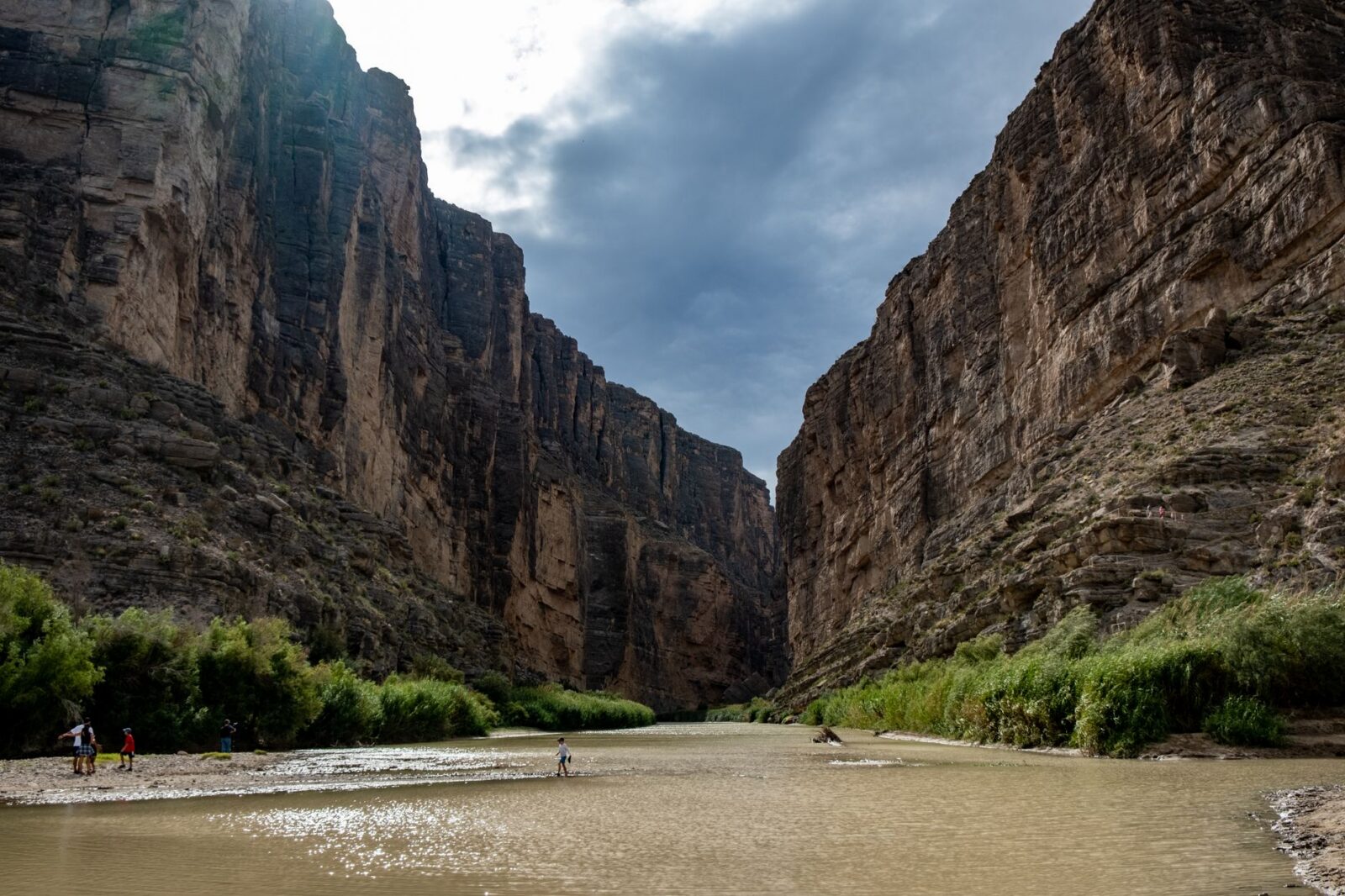
The Trump administration has officially commenced construction on the border wall in the Big Bend region of Texas, marking a pivotal moment in U.S. immigration policy and border security efforts. This development, confirmed by Houston Public Media on September 18, 2026, underscores the administration’s ongoing commitment to enhancing border security amid a contentious political landscape.
The construction site is located in the remote and rugged terrain of the Big Bend area, which has long been a focal point for discussions surrounding immigration and border control. The decision to build in this specific region is significant due to its geographical challenges and the historical context of border security in the United States.
Key stakeholders in this initiative include the U.S. Department of Homeland Security (DHS), which oversees border security measures, and various construction firms contracted to execute the project. The financial implications are substantial, with estimates suggesting that the overall cost of the border wall could reach billions of dollars, funded through a combination of federal allocations and private investments.
The decision to initiate construction follows a series of policy shifts aimed at addressing immigration concerns, particularly in light of rising numbers of migrants attempting to cross the U.S.-Mexico border. The administration has cited national security and the need to enforce immigration laws as primary motivations for the wall’s construction.
This story is receiving heightened attention now due to the ongoing debates surrounding immigration reform and border security, which have been central themes in U.S. politics. The construction of the wall in the Big Bend area is likely to reignite discussions among lawmakers, advocacy groups, and the public regarding the effectiveness and ethical implications of such measures.
Locally, this development may impact the communities surrounding the Big Bend region, potentially altering economic activities and environmental conditions. Nationally, it reflects the broader political divide over immigration policy, with proponents arguing for enhanced security and critics raising concerns about human rights and environmental degradation.
Looking ahead, the construction timeline and its implications will be closely monitored. Potential next steps include further legislative actions regarding immigration policy, public hearings on the environmental impact of the wall, and ongoing legal challenges from advocacy groups opposed to the project. As construction progresses, the administration will likely face scrutiny from both supporters and detractors, shaping the future discourse on U.S. immigration policy.
Source: Houston Public Media



Brazil’s Presidential Election: A Pivotal Moment Amidst Crime and Corruption Concerns
Brazil's presidential election today holds significant implications for the nation's future and...
 2 Mins read
Protests Erupt in Spain Over Housing Crisis Following Eviction of Elderly Man
Recent protests in Spain highlight the growing discontent over housing shortages, ignited...
2 Mins read
Tens of Thousands Protest in Spain Over Housing Crisis Following Elderly Woman’s Eviction
Massive protests erupt across Spain as public outrage grows over housing affordability...
1 Mins read

Latino Democrats Demand $10 Million Investment in Texas Governor’s Race
A coalition of Latino Democrats is calling for a substantial financial commitment...
2 Mins read
