
Crisis Unfolds at Gaza’s Nasser Hospital Amid Ongoing Conflict
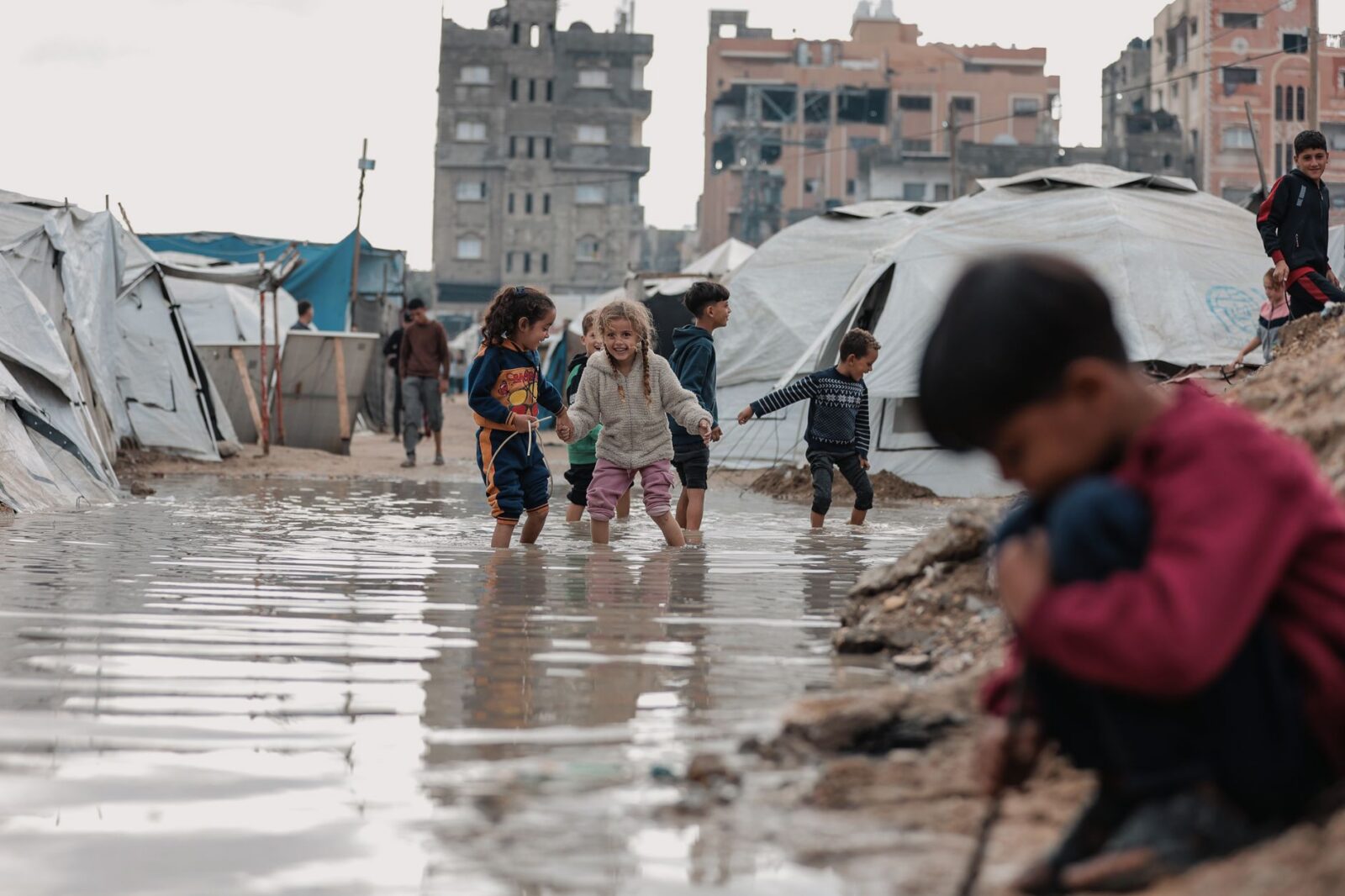
On June 11, 2026, Nasser Hospital in Gaza faces an unprecedented crisis as it grapples with overwhelming patient inflow and severe resource shortages. Medical staff report that every aspect of the hospital’s operations is under duress, with critical supplies such as medications, clean water, and essential medical equipment running perilously low. The hospital, serving as a primary healthcare facility amid the ongoing conflict, has become a microcosm of the broader humanitarian catastrophe affecting the region.
Healthcare professionals at Nasser Hospital, including doctors and nurses, are working tirelessly under extreme conditions, often treating patients in makeshift areas due to overcrowding. This situation has escalated just as international attention is drawn to the growing humanitarian needs in Gaza, where ongoing violence and blockades have severely restricted access to vital resources. The hospital’s director, Dr. Ahmed Al-Masri, emphasized that “every single thing in the complex is a crisis,” underscoring the urgency of the situation.
This crisis matters on a global scale as it highlights the dire consequences of protracted conflict on civilian health systems. The United Nations has expressed concern over the deteriorating humanitarian conditions in Gaza, calling for immediate international aid and intervention. With an estimated 1.5 million people in Gaza relying on Nasser Hospital for medical care, the potential collapse of this facility could lead to a widespread public health disaster, exacerbating an already dire situation.
Looking ahead, the international community faces a critical juncture. Without swift action to provide humanitarian relief and restore essential services, the consequences could be catastrophic, not only for the residents of Gaza but also for regional stability. As calls for action intensify, the role of global leaders, humanitarian organizations, and policymakers becomes increasingly pivotal in addressing this escalating crisis.
Source: The New Humanitarian









Pope Leo XIV Remains Isolated at the Vatican Amidst Global Tensions
The isolation of Pope Leo XIV underscores the Vatican's precarious position in...
 1 Mins read
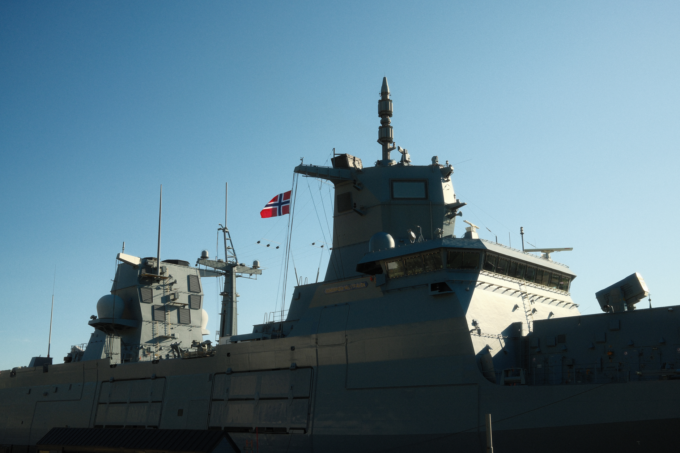
NATO Summit 2026 Addresses Defence Spending, Ukraine Crisis, and Iran Tensions
The NATO Summit 2026 is crucial as global security dynamics shift amid...
1 Mins read

NATO Leaders Meet in Ankara to Discuss Ukraine Aid and Defense Spending
NATO's discussions in Ankara are pivotal as they shape global security dynamics...
1 Mins read



Russia Launches Strikes on Ukraine, Highlighting Air Defense Vulnerabilities Ahead of NATO Summit
The recent Russian strikes on Ukraine underscore critical air defense gaps, raising...
1 Mins read
