
Echoes of the Ancients: Oliver Beer’s Resonance Project Resonates Through Time

Redefining Artistic Boundaries
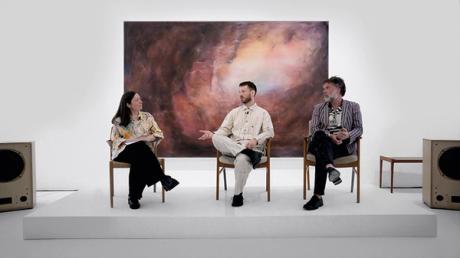
In the ever-evolving landscape of contemporary art, few projects manage to bridge the gap between ancient history and modern expression as compellingly as Oliver Beer’s Resonance Project. This ambitious endeavor invites a select group of vocalists to engage with the primordial acoustics of a prehistoric painted cave, creating a dialogue between past and present that reverberates with significance.
The Unlikely Collaboration
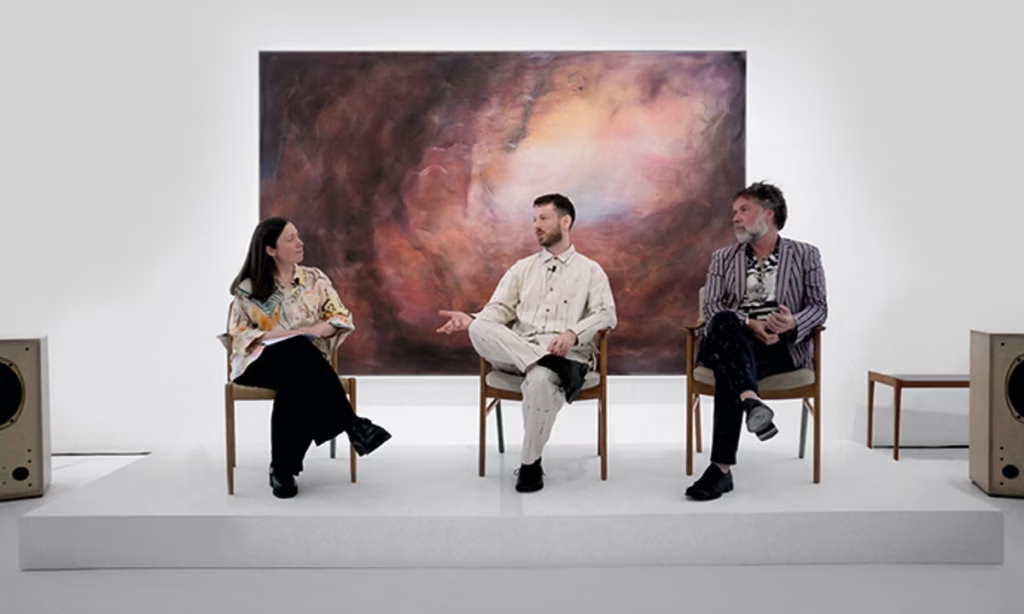
Among the most notable participants drawn into this extraordinary artistic venture is the acclaimed singer-songwriter Rufus Wainwright. Initially approached with skepticism, Wainwright found himself intrigued by the project’s unique premise. Beer’s ability to weave the ancient world into the contemporary art scene played a crucial role in persuading the artist to lend his voice to this innovative exploration of sound and space.
Acoustic Heritage and Artistic Exploration
At its core, the Resonance Project serves as a testament to the power of acoustics as a medium for artistic expression. By utilizing the natural reverberation of the cave, Beer creates a tangible connection to the echoes of human history, allowing contemporary artists to tap into the primal essence of sound. This intersection of art and archaeology not only highlights the potential for artistic collaboration but also encourages a deeper appreciation of the acoustic heritage embedded in our surroundings.
The Significance of Sound and Space
Sound, as an artistic tool, transcends visual aesthetics, offering a multi-dimensional experience that speaks to the psychology of the listener. In a world dominated by visual media, Beer’s approach invites us to pause and listen—truly listen—to the stories that the past has to tell. This immersive experience challenges the conventional boundaries of performance, urging participants and audiences alike to engage with art in a more profound manner.
Market Implications and Cultural Relevance
The Resonance Project not only enriches the cultural tapestry but also carries significant implications for the art market. As collectors increasingly seek works that embody deep narratives and innovative concepts, projects like Beer’s can capture both attention and investment. The rarity of such immersive experiences positions them as desirable acquisitions, appealing to discerning collectors who value provenance and the transformative power of art.
A Legacy in the Making
Oliver Beer’s artistic journey reflects a commitment to exploring the intersections of sound, space, and history. As he continues to challenge and expand the definitions of contemporary art, his work encourages a new generation of artists to pursue their own unique expressions. The Resonance Project, with its poignant blending of the ancient and contemporary, not only highlights Beer’s legacy but also underscores the enduring relevance of art as a conduit for connection and understanding across time.
Invitation to the Future
As we stand on the cusp of a new era in artistic exploration, projects like the Resonance Project beckon us to immerse ourselves in the stories that shape our cultural identity. By inviting artists like Wainwright into this sonic journey, Oliver Beer not only elevates the visual arts but also fosters a space for reflection and dialogue that resonates deeply within us all. The echoes of the past are alive, and through art, they will continue to inspire generations to come.
Editorial note: This article was created by A Bit Lavish Miami’s Magazine as an original editorial reinterpretation based on publicly available reporting. Original source: theartnewspaper.com. Read the original article here: https://www.theartnewspaper.com/2026/08/12/artist-oliver-beers-cave-themed-project-wins-over-rufus-wainwright.
Images are used for editorial reference with source credit. If an image requires correction or removal, please contact A Bit Lavish.








Navigating Fantasy: The Allure of Rare Literary Cartography
Explore the captivating intersection of literature and cartography in an upcoming Zurich...
 3 Mins read

Cuauhtémoc Medina: Curatorial Visionary Set to Elevate Guatemala’s Bienal de Arte Paiz
Explore the profound impact of Cuauhtémoc Medina's curatorial approach as he prepares...
2 Mins read

Unveiling Deception: The Forgery Scandal Shaking the Art World
An in-depth exploration of the Giuliano Ruffini forgery scandal, its implications for...
2 Mins read



Transition at the Top: A New Era for the Art Gallery of Ontario
As Stephan Jost steps down from his role at the Art Gallery...
2 Mins read
