
Elected Officials Face Scrutiny Over Health Reporting Obligations
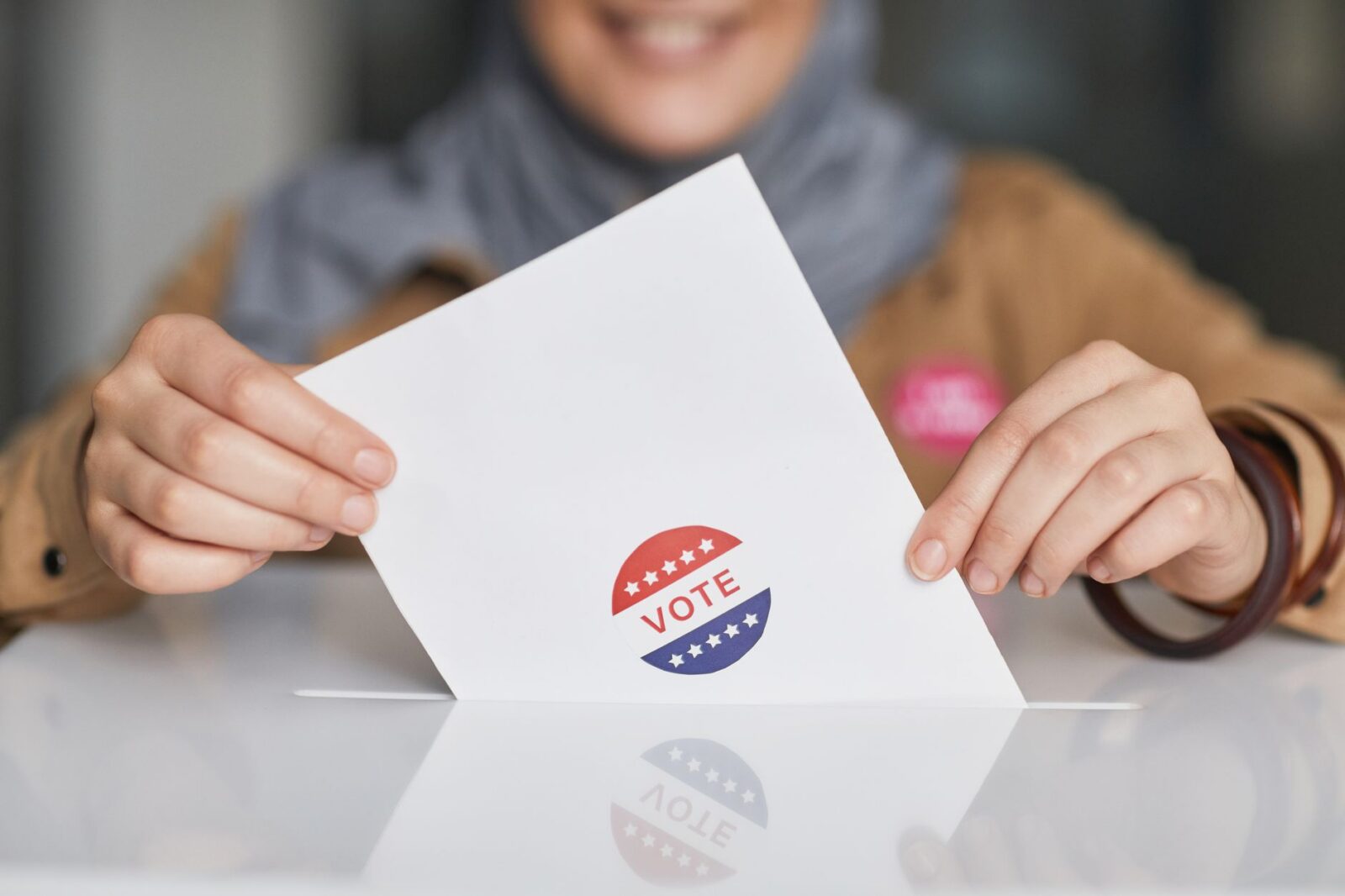
On July 18, 2026, a critical dialogue emerged surrounding the responsibilities of elected officials to disclose health reports to their constituents, as detailed in an editorial by The Republic News. This discussion is particularly relevant as public trust in government institutions remains fragile in various democracies. Lawmakers and public officials are now compelled to address the intersection of personal health disclosures and public accountability.
Key stakeholders in this debate include governmental representatives, health policy experts, and civil society organizations advocating for transparency. The argument centers around whether elected officials should be mandated to share health information, thereby allowing constituents to make informed decisions about their leadership’s fitness for office. This issue resonates across multiple jurisdictions, reflecting a growing demand for transparency in governance.
The implications of this debate are profound, as it touches upon fundamental rights to information and the public’s right to assess the capabilities of their elected representatives. In an era where misinformation can compromise public health and safety, the call for transparency is not merely about health disclosures, but about reinforcing the principles of democracy and accountability. This issue also raises constitutional questions regarding privacy rights versus the public’s right to know.
Looking ahead, this dialogue may prompt legislative actions aimed at establishing clearer guidelines regarding health disclosures for public officials. Such measures could lead to enhanced standards of accountability and potentially reshape the relationship between elected officials and their constituents. As this conversation evolves, it will be essential to monitor how different jurisdictions respond to these emerging expectations for transparency.
Source: The Republic News







Political Shifts in Telangana: Konda Ousted, Komatireddy Gains Influence
The recent political upheaval in Telangana is drawing attention due to its...
 1 Mins read
BJP Accuses Congress of Hypocrisy on Women’s Empowerment
The BJP's allegations against Congress highlight ongoing tensions in Indian politics regarding...
1 Mins read

Preparatory Meeting for 17th Odisha Environment Congress Takes Place
This congress addresses pressing global environmental challenges, highlighting India's commitment to sustainability.
1 Mins read



Escalation in Iran: Israel and US Launch Strikes Amid Renewed Conflict
The resurgence of military conflict in Iran draws global attention as tensions...
1 Mins read