

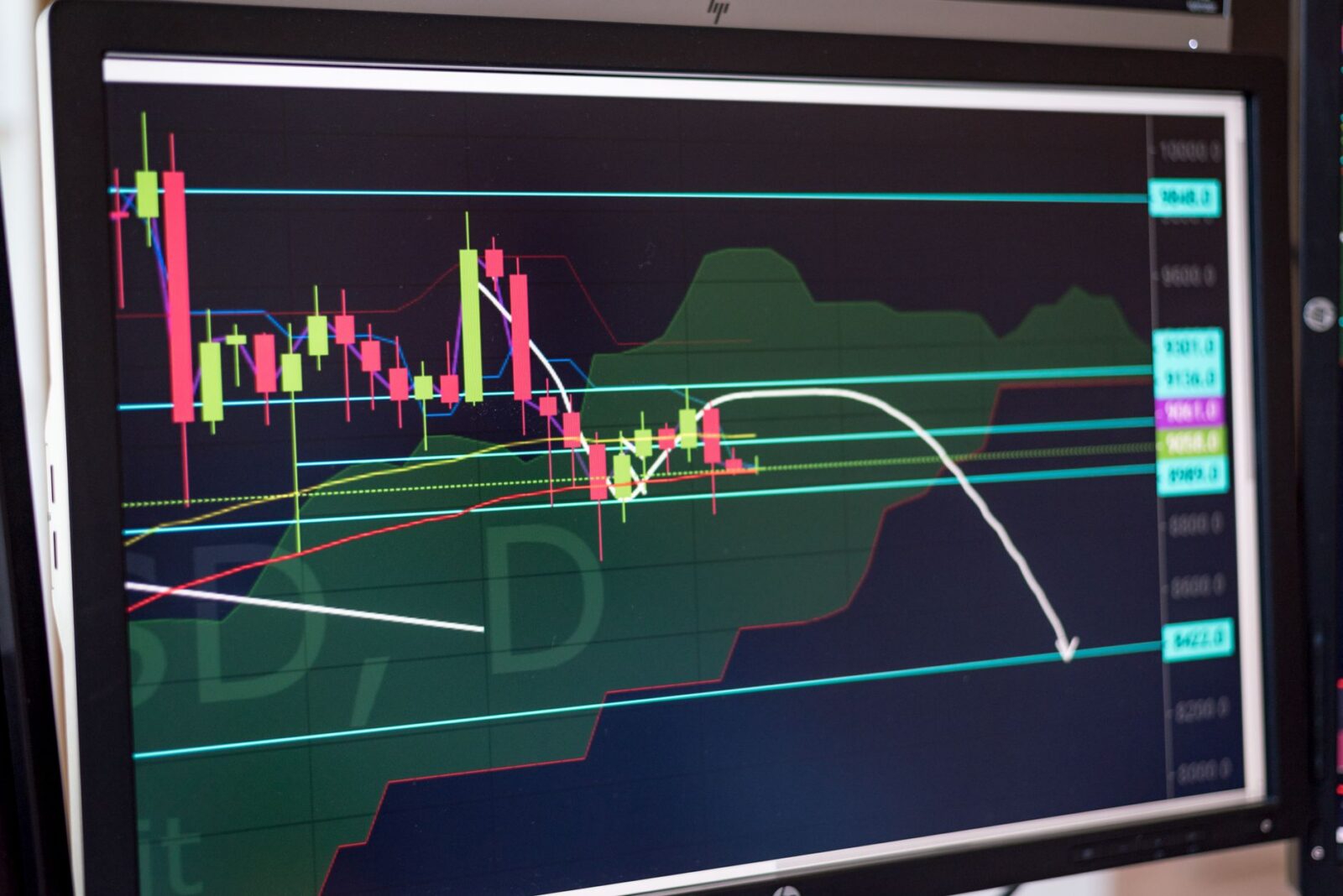
As of August 8, 2026, the economic landscape is increasingly fraught with uncertainty, primarily driven by unsettling employment trends that suggest a looming recession. Recent analyses highlight a notable uptick in unemployment rates alongside a slowdown in job creation, raising alarms among economists and policymakers alike.
This shift is underpinned by data released on August 7, 2026, indicating that the unemployment rate has edged up to 5.7%, a marked increase from the previous month. This change is attributed to several factors, including rising inflation, tightening monetary policies by central banks, and ongoing geopolitical tensions that have disrupted global supply chains. Key players in this scenario include the Federal Reserve, which has signaled intentions to maintain elevated interest rates to combat inflation, alongside various multinational corporations that are reevaluating their workforce needs in response to economic pressures.
The significance of these developments cannot be overstated. With employment being a critical barometer of economic health, the current trends evoke memories of past recessions, prompting both local and global stakeholders to reassess their strategies. Investors, businesses, and governments are now closely monitoring these indicators, as a sustained rise in unemployment could precipitate broader economic instability, affecting everything from consumer spending to international trade.
Looking ahead, if the upward trend in unemployment continues, further actions by the Federal Reserve may be inevitable, potentially leading to a shift in fiscal policy aimed at stimulating job growth. Additionally, industries reliant on consumer confidence, such as luxury goods and real estate, may experience significant downturns. As the situation evolves, stakeholders must remain vigilant, as the next few months will be critical in determining the trajectory of the economy.
Source: Advisor Perspectives










DOJ Critiques Kennedy Center Amid Trump Controversy
The DOJ's recent remarks on the Kennedy Center highlight ongoing tensions surrounding...
 1 Mins read

FBI and DOJ Disrupt China-Linked Hacking Group Targeting U.S. Hospitals and Infrastructure
The disruption of a China-linked hacking group underscores ongoing cybersecurity threats to...
1 Mins read

U.S. Judge Overturns Pentagon’s Blacklisting of Anthropic, Paving the Way for AI Collaboration
The ruling has significant implications for AI development and safety standards globally.
1 Mins read


Federal Judge Declares Pentagon’s Actions Against Anthropic ‘Illegal and Baseless’
This ruling may reshape the landscape of AI governance and military oversight...
1 Mins read
