


On July 12, 2026, the Federal Communications Commission (FCC) approved a test for a controversial satellite project known as the “sunlight on demand” space mirror, despite significant scientific and environmental concerns raised by experts. The project, which aims to reflect sunlight back to Earth for energy generation, is spearheaded by a private consortium that includes major technology and energy firms.
The decision, made during a public meeting in Washington D.C., has drawn immediate criticism from environmental groups and scientists. They argue that the potential ecological impact of manipulating solar radiation could be profound, affecting climate patterns and biodiversity. The FCC’s ruling came after extensive debate, reflecting a divide between innovation in energy technology and the principles of environmental stewardship.
This development is particularly critical in the context of global efforts to combat climate change. As countries struggle to meet their carbon reduction commitments under international agreements, the introduction of such technology could lead to a new frontier in energy generation. However, it also raises ethical questions regarding the control of solar resources and the implications for countries that may not consent to such interventions.
Looking ahead, the approval of this test could catalyze further advancements in space-based solar technology, but it also risks igniting international disputes over space governance and environmental regulations. Stakeholders, including the United Nations and various environmental organizations, are likely to call for a comprehensive framework to assess the impacts of such technologies before they are deployed on a larger scale. The need for clear communication and international cooperation on these issues will be paramount as the world navigates the intersection of technology, energy needs, and environmental responsibility.
Source: Caliber.Az







New Misconduct Complaint Filed Against Winnebago County Judge Scott Woldt
The complaint against Judge Woldt raises critical questions about judicial integrity and...
 1 Mins read

Mexico Petitions U.S. Supreme Court Over NAFTA Arbitration Award
This legal move underscores the ongoing complexities of international trade agreements and...
1 Mins read
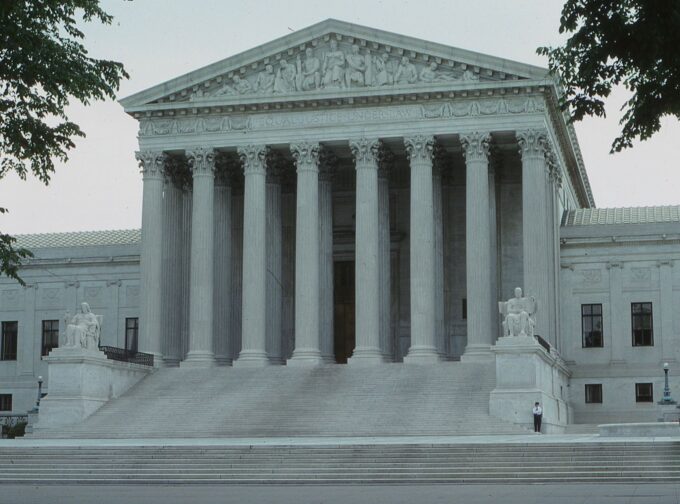
Supreme Court Schedules Hearing for Catholic Preschools in Colorado’s Universal Program Case
The Supreme Court's decision to hear this case could redefine educational funding...
1 Mins read



Farm Bill Stalls in Senate Agriculture Committee
The delay in the Farm Bill negotiations raises concerns about agricultural policy...
1 Mins read
