
Federal Judge Blocks Trump’s Proof of Citizenship Voting Requirement
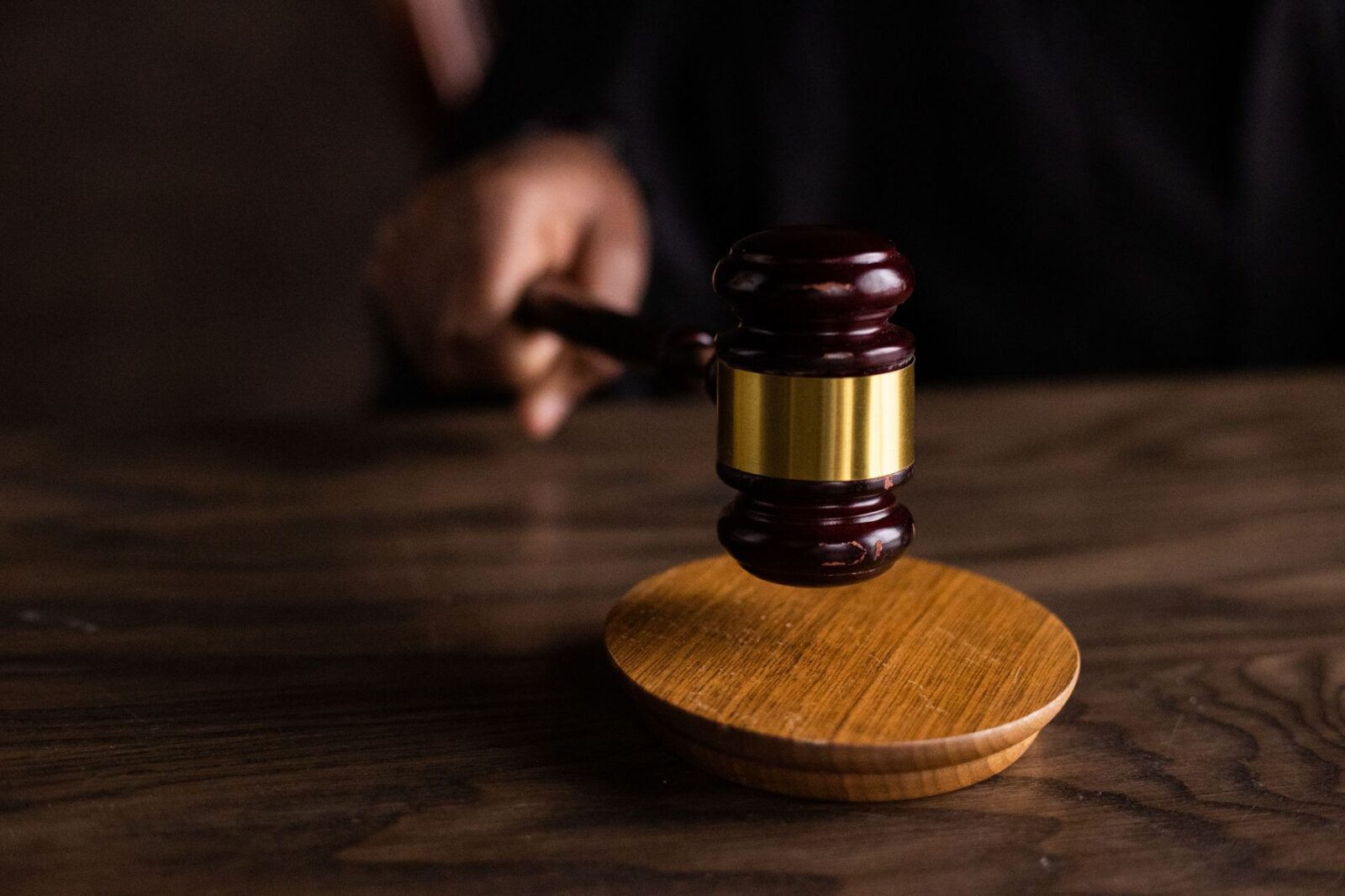
A federal judge has issued a ruling that prevents former President Donald Trump from enforcing a proof of citizenship requirement for voters in the upcoming elections. This decision comes amid ongoing debates surrounding voting rights and access, particularly as the nation approaches critical midterm elections in November 2026. The judge’s order underscores the contentious nature of electoral reforms that many argue disproportionately affect marginalized communities.
The case was brought forth by civil rights organizations, including the American Civil Liberties Union (ACLU), which contended that the proposed requirement would create unnecessary barriers to voting, especially for minority groups and those lacking the required documentation. Trump’s administration had argued that the measure was necessary to safeguard the integrity of the electoral process, framing it as a response to concerns about voter fraud. However, the judge concluded that there was insufficient evidence to justify such a stringent requirement.
This ruling is significant not only for its immediate impact on voting in the United States but also for its implications for global democratic norms. As countries worldwide grapple with issues of electoral integrity and voter disenfranchisement, the U.S. serves as a bellwether for democratic practices. The decision may inspire similar legal challenges in other states with restrictive voting laws, further igniting the national conversation on voting rights.
Looking ahead, this ruling may set a precedent for ongoing legal battles over voting regulations. As various states consider implementing similar requirements, the outcome of appeals and subsequent legal interpretations will be closely monitored. Moreover, the political ramifications could be profound, potentially influencing voter turnout and party dynamics in an election year already fraught with polarization.
Source: New York Daily News







Devin Williams Discusses Overcoming Challenges from Toronto’s Lineup
Devin Williams' insights on navigating Toronto's tough roster highlight the strategic complexities...
 1 Mins read

Nancy Mace Positions Herself as Potential Successor to Lindsey Graham Amidst Political Shift
Mace's potential campaign could reshape the Republican landscape and influence national policy...
1 Mins read
Darline Graham Sworn into Senate, Marks Historic Transition for South Carolina Politics
Darline Graham's ascension to the Senate signifies a pivotal moment in U.S....
1 Mins read



Lindsey Graham’s Sister Sworn in as South Carolina’s First Female Senator
The appointment of Lindsey Graham's sister to the Senate marks a significant...
1 Mins read
