
Gaza Health Ministry Reports Over 1,000 Deaths During Ceasefire Amid Ongoing Conflict
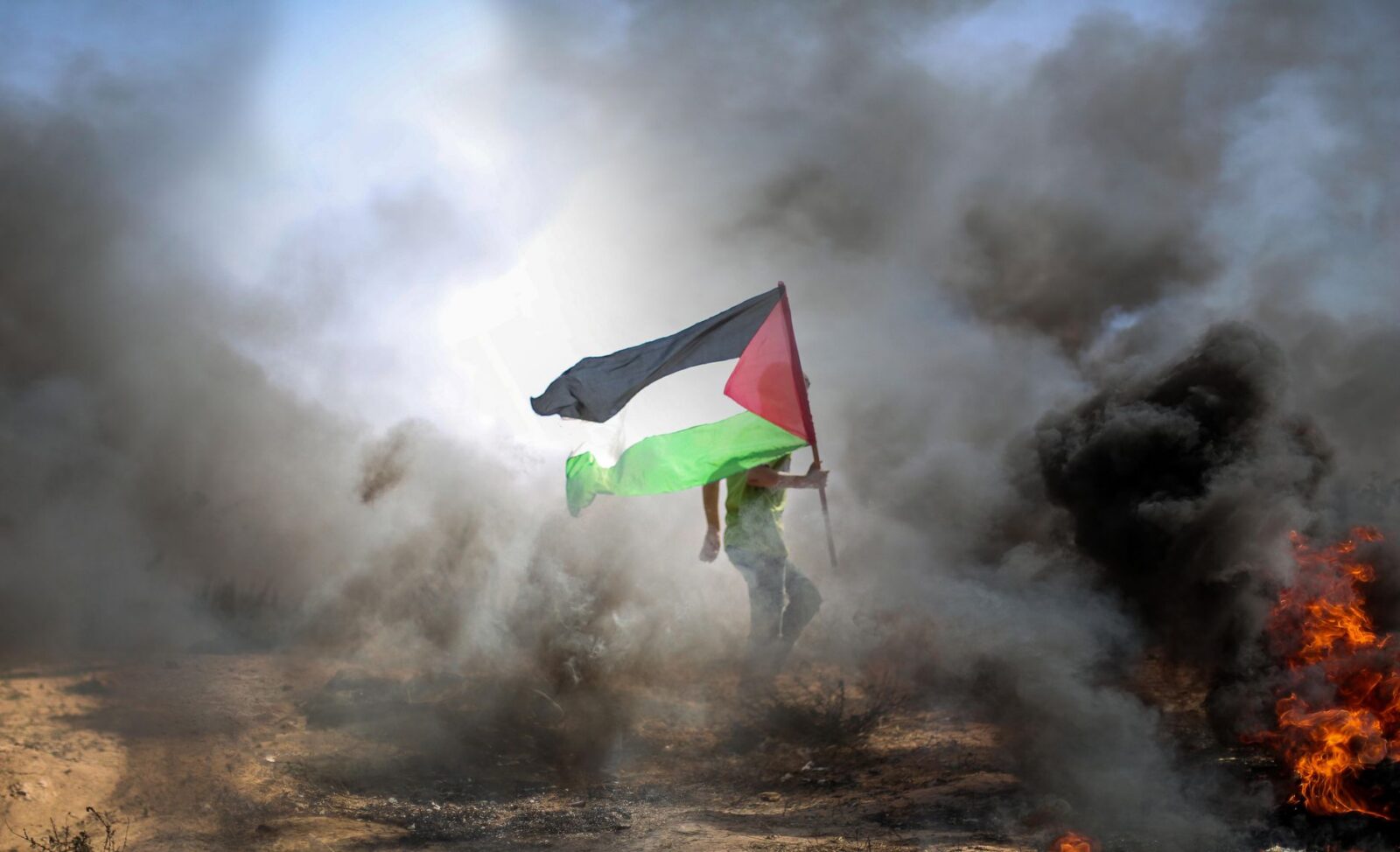
In a shocking development, the Gaza Health Ministry has reported that more than 1,000 individuals have lost their lives in Gaza during a ceasefire, raising urgent questions about the effectiveness of international peace efforts. This alarming statistic comes as the region grapples with ongoing hostilities, despite the temporary halt in fighting intended to facilitate humanitarian aid and negotiations.
The casualties reported include a significant number of civilians, which highlights the severe humanitarian crisis facing the area. The conflict, primarily involving Israeli military operations and Hamas, has drawn widespread condemnation from various global leaders and organizations, emphasizing the dire need for a sustainable resolution to the violence that has persisted for years. The United Nations and various human rights groups have called for immediate investigations into these deaths, as they challenge the very notion of a ceasefire and the principles of international humanitarian law.
This situation matters on a global scale as it exacerbates the humanitarian crisis in Gaza, which has faced blockades and limited access to essential services for years. The international community is watching closely, as the high death toll may provoke renewed calls for intervention or increased diplomatic pressure on both Israel and Hamas. Furthermore, the implications of this tragedy extend beyond regional concerns, potentially igniting further unrest in neighboring countries and impacting global oil markets and security dynamics.
Looking ahead, the continued loss of life during a ceasefire could lead to heightened tensions and a collapse of any ongoing peace negotiations. Should the violence resume, it may trigger an international outcry, prompting nations to reassess their foreign policies regarding the Israeli-Palestinian conflict. Additionally, humanitarian organizations may face increased challenges in delivering aid, further complicating the already dire situation on the ground.
Source: FOX 8 News










Zac Thornton Secures First Career Win as Mets Defeat Brewers 4-0
Zac Thornton's debut victory underscores a pivotal moment for the New York...
 1 Mins read

FBI Director Undertakes Sensitive Mission to Russia Amid Heightened Tensions
The FBI chief's visit underscores critical U.S.-Russia relations and global security challenges.
1 Mins read

Rock Star Cites ‘War Economy’ in Postponement of Tour Amid Political Climate
The postponement of a major rock tour highlights the intersection of culture...
1 Mins read



Allegations of Noncitizen Voter Registration Emerge in New Jersey
The integrity of electoral processes is under scrutiny as allegations of noncitizen...
1 Mins read
