
Government Urged to Clarify Definition of Luxury Goods
 ABLUpdated December 9, 20242 Mins read323

Understanding Indonesia’s Upcoming VAT Hike on Luxury Goods
As Indonesia gears up for a significant change in its tax policy, the announcement of a value-added tax (VAT) increase from 11 percent to 12 percent has sparked discussions among economists, policymakers, and the public. This adjustment, set to take effect in January, is particularly focused on luxury goods. However, the lack of clarity surrounding what constitutes "luxury goods" has raised concerns, particularly regarding its impact on the lower middle class.
The Government’s Stance
President Prabowo Subianto has indicated that the VAT hike will specifically target luxury items, but he has not provided a detailed list of what these items will include. This ambiguity leaves many questions unanswered for consumers and businesses alike. The government’s intention to tax luxury goods is rooted in the desire to increase revenue without placing an additional burden on essential goods and services. However, without clear definitions, the policy risks misclassification and unintended consequences.
Defining Luxury Goods
Economist Achmad Nur Hidayat has emphasized the need for the government to articulate what it considers luxury goods. In tax terminology, luxury goods can encompass a wide range of products, including high-end vehicles, jewelry, premium electronics, and real estate above a certain value threshold. Yet, the challenge lies in the fact that the starting price for these luxury items often does not align with the purchasing power of Indonesia’s lower middle class.
The definition of luxury goods is not static; it can evolve with economic conditions. Inflation, for instance, can shift the threshold for what is considered a luxury item. Products that were once deemed affordable may suddenly fall into the luxury category as their prices rise. This fluidity in classification poses a risk that everyday items, such as mid-range smartphones, could be subjected to the higher VAT rate, impacting consumers who rely on these products for work or education.
Implications for the Lower Middle Class
The potential for misclassification of goods raises significant concerns for the lower middle class, who may find themselves disproportionately affected by the VAT increase. Achmad Nur warns that without a clear definition of luxury goods, the tax hike could exacerbate the financial strain on this demographic. As the cost of living continues to rise, the last thing that consumers need is an increase in taxes on items they rely on for their daily lives.
The absence of clarity could lead to confusion among retailers and consumers alike. Businesses may struggle to determine which products fall under the luxury category, leading to inconsistent pricing and potential backlash from consumers who feel unfairly taxed. Moreover, the lack of transparency could erode trust in the government’s tax policies, prompting calls for more accountability and clearer communication.
The Need for Transparency
To mitigate the potential negative impacts of the VAT hike, it is crucial for the government to provide a comprehensive list of luxury goods that will be affected by the new tax rate. This transparency will not only help consumers make informed purchasing decisions but also enable businesses to adjust their pricing strategies accordingly. Clear guidelines will foster a more equitable tax system, ensuring that the burden of the VAT hike is shared fairly among consumers.
In conclusion, while the intention behind the VAT increase on luxury goods may be to bolster government revenue, the lack of clarity surrounding what constitutes luxury items poses significant challenges. As Indonesia prepares for this policy change, it is imperative that the government engages with economists, industry experts, and the public to define luxury goods clearly. By doing so, it can ensure that the tax system remains fair and equitable, particularly for the lower middle class, who are often the most vulnerable in times of economic change.










Discover the Newest Waterproof Gadgets that Come on Sale
I understand how that could positively effect your body, but alchemizing means...
ABL2 Mins read
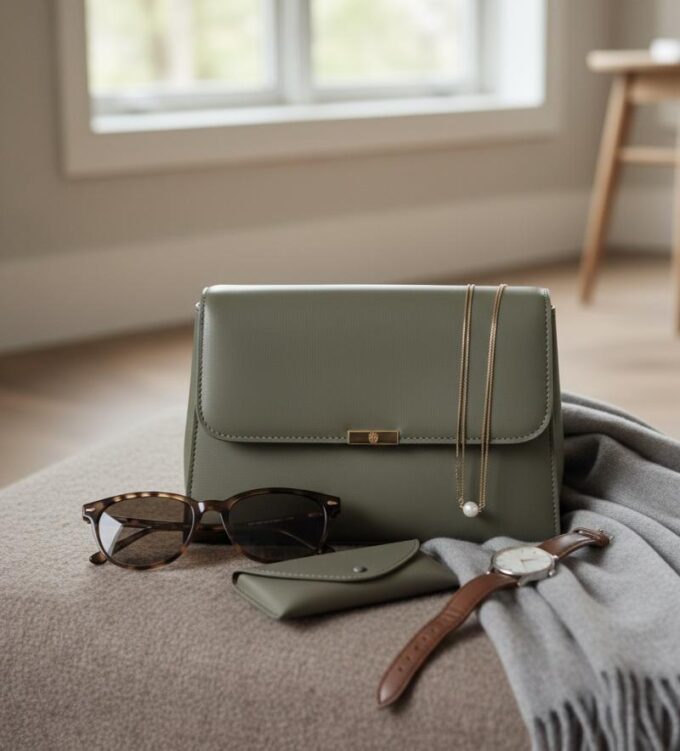
Quiet Luxury Accessories Market Reaches Record High
The Rise of Quiet-Luxury Accessories: A Comprehensive Market Analysis In recent years,...
ABL2 Mins read

Consumer Harm is Escalating as Luxury Goods Sales Surge via Live Broadcasts on Platforms like Facebook and TikTok
Crackdown on Trademark Infringement in Live Broadcasting: A Growing Concern In recent...
ABL2 Mins read


Italian Regulators Criticize Luxury Brand Cucinelli for Russia Claims
Allegations Against Brunello Cucinelli: A Closer Look at the Controversy Shares in...
ABL2 Mins read
