
Guarding Your Digital Domain: Navigating the New Apple High Alert Scam
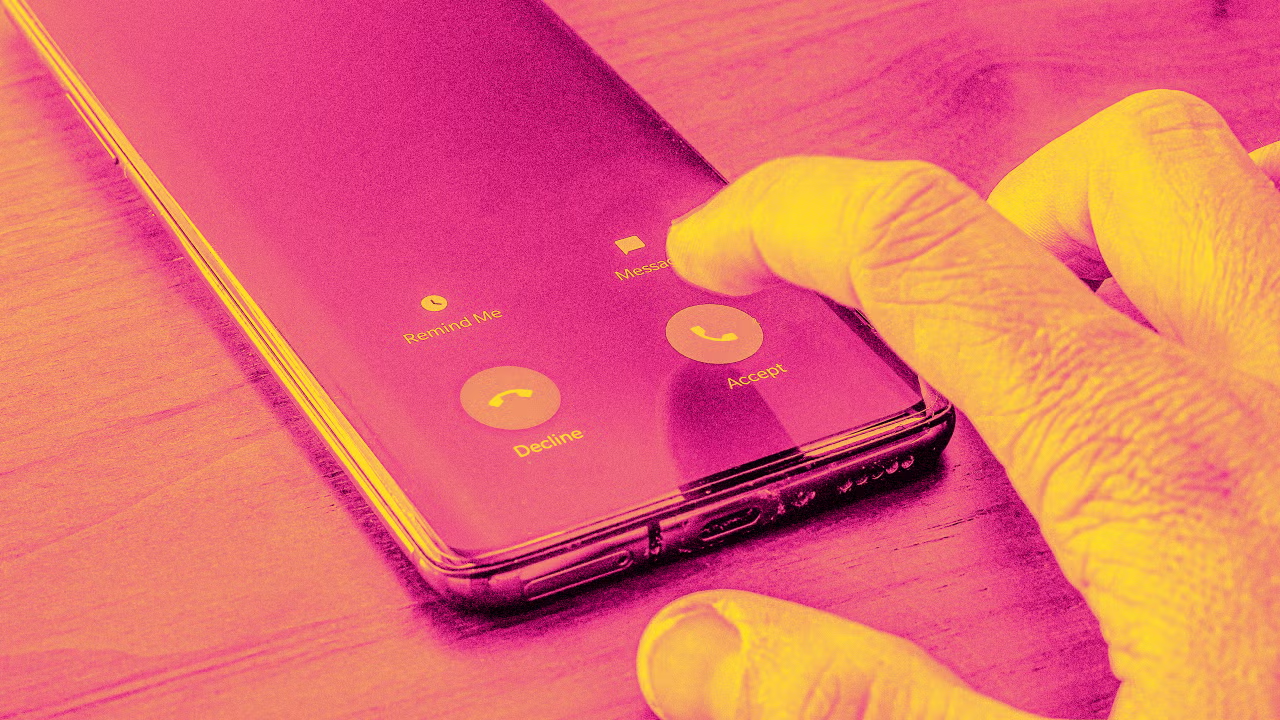
Unmasking the Deception
In the ever-evolving landscape of digital threats, Apple users find themselves increasingly in the crosshairs of sophisticated scams designed to exploit vulnerabilities in user psychology rather than technology. The latest iteration, dubbed the “Apple High Alert” scam, serves as a stark reminder of the importance of vigilance in an age where personal data is as valuable as gold.
Understanding the Threat
At its core, the Apple High Alert scam is a phishing attack that targets individuals with Apple accounts, including those not just using iCloud but also iPhones and other Apple devices. What sets this scam apart from others is its reliance on well-honed social engineering tactics rather than any technical flaws in Apple’s infrastructure. Scammers leverage fear and urgency, claiming that suspicious activity has been detected, thereby urging users to act impulsively.
The Modus Operandi
The scam typically manifests through various communication channels: phone calls, emails, text messages, or even intrusive pop-up messages in web browsers. Regardless of the medium, the narrative remains consistent: users are informed that their Apple account or device has been compromised. The alarmist language, featuring phrases like “Security Breach Detected” and “Your iPhone Has Been Compromised,” is designed to provoke a knee-jerk reaction that leads to the unwarranted sharing of sensitive information.
Identifying the Red Flags
As with any scam, recognizing the warning signs can mean the difference between safeguarding your information and becoming a victim. Scammers often mimic legitimate Apple communications, using official logos and even spoofing caller IDs to create an illusion of authenticity. Here are essential indicators to watch for:
- Links that do not direct to apple.com
- Email addresses lacking the @apple.com domain
- Poor grammar or overly dramatic messaging
- Requests for immediate action or sensitive information
These elements are significant red flags, pointing towards a scam rather than genuine communication from Apple.
Empowerment Through Awareness
To avoid falling prey to such scams, it is imperative to cultivate a mindset of caution. Upon receiving a message that raises suspicion, take a step back and assess the situation. Check the URLs, scrutinize the email addresses, and consider the urgency of the message. Remember, Apple will never request your password or verification codes through unsolicited communications.
If you suspect a scam, do not interact with the message. Instead, access your Apple account through the official website or the settings on your device to verify any claims made. Should concerns persist, reach out to Apple through verified support channels—never through contact information provided in dubious messages.
In the Context of Miami’s Digital Landscape
Miami, a city known for its vibrant tech scene and growing influence in the digital economy, is not immune to these scams. As more residents and businesses in South Florida embrace technology, the potential for scams like the Apple High Alert scheme increases. The need for cybersecurity awareness is paramount, as both individuals and corporations navigate the complexities of a digital world fraught with risks.
By fostering an environment of education and vigilance, Miami can position itself as a leader in the fight against digital fraud. Local tech initiatives and community outreach programs can play a vital role in informing citizens about emerging threats and equipping them with the tools they need to protect their personal information.
A Call for Digital Vigilance
As we continue to integrate technology into our daily lives, understanding and recognizing the tactics employed by scammers is critical. The Apple High Alert scam may be the latest in a series of phishing schemes, but it serves as a warning sign that vigilance is essential. By staying informed and practicing caution, we can protect our digital identities and play an active role in creating a safer online community.
Editorial note: This article was created by A Bit Lavish Miami’s Magazine as an original editorial reinterpretation based on publicly available reporting. Original source: fastcompany.com. Read the original article here: https://www.fastcompany.com/91559971/apple-high-alert-scam-iphone-users-login-payment-how-to-spot.
Images are used for editorial reference with source credit. If an image requires correction or removal, please contact A Bit Lavish.










Navigating the AI Landscape: A Guide for Solopreneurs
Explore how solopreneurs can effectively navigate AI transparency, aligning client expectations with...
 2 Mins read

Five Guys: Navigating Growth Amidst Strategic Closures
As Five Guys expands its footprint, the fast-casual burger chain faces challenges...
2 Mins read
The Billionaire Influence: Shaping American Politics in the 2026 Midterms
Explore how billionaire investors across the political spectrum are exerting influence over...
2 Mins read



Rethinking Packaging: The Future of Sustainability through Extended Producer Responsibility
Explore how Extended Producer Responsibility (EPR) is reshaping packaging design and waste...
3 Mins read
