
Hamas Dissolves Gaza Governing Body Amid Rising Tensions
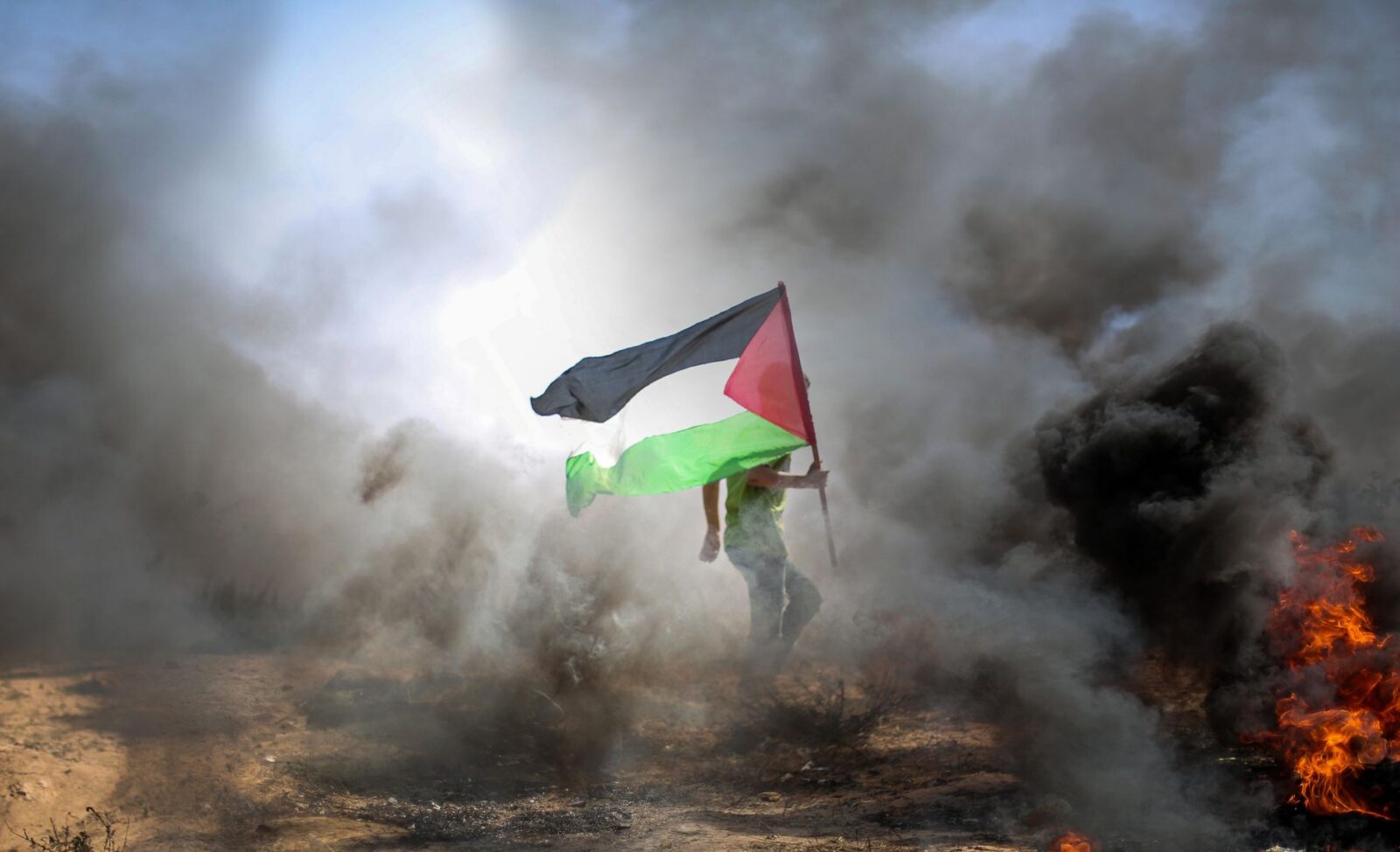
In a significant political development, Hamas has announced the dissolution of its governing body in Gaza, a move that raises questions about the future of Palestinian governance and the region’s stability. This decision comes amid increasing internal and external pressures on the group, which has ruled the Gaza Strip since 2007. The announcement was made public on July 7, 2026, and reflects a critical juncture for Hamas as it grapples with challenges both from rival factions within the Palestinian territories and from external actors.
Hamas, which has historically been viewed as a militant organization by many countries, faces mounting scrutiny and pressure from various fronts. The Palestinian Authority, led by Mahmoud Abbas, has long sought to reassert its influence over Gaza, and the dissolution of Hamas’ governing body could pave the way for renewed political negotiations. Furthermore, this shift occurs against a backdrop of escalating tensions between Israel and Hamas, with recent military confrontations highlighting the precarious nature of security in the region.
The implications of this decision extend far beyond Gaza. International stakeholders, including the United States and European Union, are closely monitoring the situation, as any change in governance could affect diplomatic efforts aimed at achieving a lasting peace in the Israeli-Palestinian conflict. The dissolution may also influence how foreign aid and support are distributed, as both regional allies and adversaries recalibrate their strategies in response to this shift.
Looking ahead, the potential for a power vacuum in Gaza raises concerns about the emergence of more radical elements or increased instability. The fate of Hamas’ leadership will play a crucial role in determining the next steps for both the group and the broader Palestinian movement. As the international community watches closely, the developments in Gaza could significantly alter the dynamics of Middle Eastern politics.
Source: The Rising Nepal










Zac Thornton Secures First Career Win as Mets Defeat Brewers 4-0
Zac Thornton's debut victory underscores a pivotal moment for the New York...
 1 Mins read

FBI Director Undertakes Sensitive Mission to Russia Amid Heightened Tensions
The FBI chief's visit underscores critical U.S.-Russia relations and global security challenges.
1 Mins read

Rock Star Cites ‘War Economy’ in Postponement of Tour Amid Political Climate
The postponement of a major rock tour highlights the intersection of culture...
1 Mins read



Allegations of Noncitizen Voter Registration Emerge in New Jersey
The integrity of electoral processes is under scrutiny as allegations of noncitizen...
1 Mins read
