
Harmonies of Faith: The Vatican’s Contemporary Art Revelation at the Venice Biennale
 ABLUpdated 3 months Ago2 Mins read123
A New Era of Sacred Artistry
In a groundbreaking move that intertwines spirituality with modern aesthetics, the Vatican has unveiled a contemporary art pavilion at the prestigious Venice Biennale. This initiative signals a remarkable evolution in the Church’s engagement with contemporary culture, inviting global audiences to contemplate the intersection of faith and artistic expression.
Soundscapes of the Divine
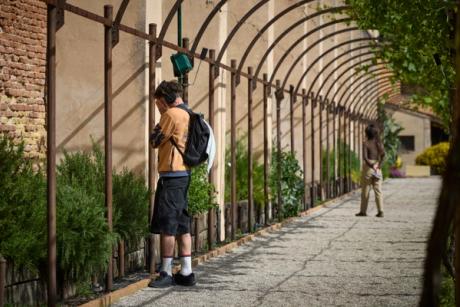
The pavilion’s centerpiece lies in its innovative sound-based installations, designed to evoke an immersive experience that resonates with the spiritual ambiance of the Vatican. By utilizing auditory elements, the artists aim to forge a connection between the viewer and the sacred, transforming the traditional expectations of religious art into something dynamic and engaging.
Artists of Distinction
Among the artists showcased, notable figures such as Yan Pei-Ming are set to present works that challenge perceptions and provoke dialogue. These contemporary creators, whose practices often transcend cultural boundaries, will contribute to the pavilion’s unique narrative, offering reflections on faith, identity, and the human condition. Their selected pieces will not only elevate the pavilion’s aesthetic experience but also position the Vatican within the broader discourse of contemporary art.
The Significance of Location
The Venice Biennale, long regarded as a premier platform for avant-garde artistic expression, provides an ideal backdrop for the Vatican’s contemporary endeavors. This event attracts collectors, critics, and art enthusiasts from around the world, creating a vibrant marketplace for dialogue and investment in art. The Vatican’s participation not only enhances its cultural visibility but also invites a reevaluation of its role in the art world.
Provenance and Market Implications
As the Vatican steps into the contemporary arena, the implications for collectors and investors are profound. Artworks emerging from this sacred institution are imbued with a unique provenance, merging historical significance with modern relevance. The rarity of such pieces, coupled with the Church’s longstanding influence, sets the stage for a new category of collectible art that appeals to both spiritual seekers and investment-savvy collectors.
A Legacy of Artistic Engagement
The Vatican’s commitment to contemporary art is not merely a fleeting trend; it represents a strategic effort to engage with a diverse audience while reflecting on its own legacy. By fostering a dialogue between tradition and innovation, the Church positions itself as a forward-thinking entity, willing to embrace the complexities of modernity.
Conclusion: A Symphony of Tradition and Innovation
The Vatican’s contemporary art pavilion at the Venice Biennale stands as a testament to the evolving nature of faith and creativity. As visitors immerse themselves in its soundscapes and visual narratives, they are invited to explore the profound connections between art, spirituality, and contemporary culture. This initiative not only enriches the Vatican’s artistic canon but also paves the way for a future where faith and contemporary expression harmoniously coexist.
Editorial note: This article was created by A Bit Lavish Miami’s Magazine as an original editorial reinterpretation based on publicly available reporting. Original source: theartnewspaper.com. Read the original article here: https://www.theartnewspaper.com/2026/05/07/sound-based-holy-see-pavilion-opens-venice-biennale-vatican-contemporary-art-ambitions-grow.
Images are used for editorial reference with source credit. If an image requires correction or removal, please contact A Bit Lavish.








Echoes of History: The Loss of a 300-Year-Old Cossack Church in Ukraine
Exploring the cultural significance and tragic loss of the Holy Presentation Church,...
 2 Mins read

A New Chapter: Tim Reeve Takes the Helm at English Heritage
Tim Reeve, former deputy director of the V&A, embarks on a significant...
2 Mins read
A Cultural Exchange: Islamic Art Treasures from the Louvre to Enrich Washington’s Museum Scene
Explore the significance of the Louvre's upcoming loan of Islamic art to...
2 Mins read


Art Under Siege: The Struggle of Activism in Indian Contemporary Art
Exploring the intersection of art, activism, and the implications of dissent in...
3 Mins read
