
Hillary Clinton’s Recent Interview Sparks Misinterpretation Over China and Election Meddling

On July 17, 2026, a television interview featuring former U.S. Secretary of State Hillary Clinton prompted significant discussion regarding the implications of foreign interference in electoral processes. During the interview, Clinton responded to a hypothetical question about China’s involvement in the 2020 U.S. presidential election, which has since been misconstrued by various outlets as an appeal for foreign meddling.
This incident highlights the ongoing scrutiny surrounding the integrity of democratic elections, particularly in the context of rising geopolitical tensions. Clinton, a prominent figure in American politics, underscored the need for vigilance against external influence, a sentiment echoed by political leaders and analysts alike. The misinterpretation of her comments reveals the fragile nature of public discourse and the ease with which statements can be taken out of context, potentially undermining public trust.
The implications of this miscommunication are profound, as they touch upon national and global concerns regarding electoral integrity and foreign intervention. At a time when nations are increasingly wary of external influence, the incident serves as a reminder of the necessity for clear communication and responsible political rhetoric. It also poses questions about the accountability of media outlets in accurately representing political discourse.
Looking ahead, this situation may catalyze further discussions about legislative measures aimed at safeguarding electoral processes from foreign interference. As policymakers grapple with the challenges of a rapidly evolving global landscape, the focus on maintaining the sovereignty and integrity of national elections will likely intensify. The potential for legislative action or renewed public debate surrounding foreign influence in elections could emerge as political entities respond to the heightened awareness of these issues.
Source: leadstories.com







New Misconduct Complaint Filed Against Winnebago County Judge Scott Woldt
The complaint against Judge Woldt raises critical questions about judicial integrity and...
 1 Mins read

Mexico Petitions U.S. Supreme Court Over NAFTA Arbitration Award
This legal move underscores the ongoing complexities of international trade agreements and...
1 Mins read
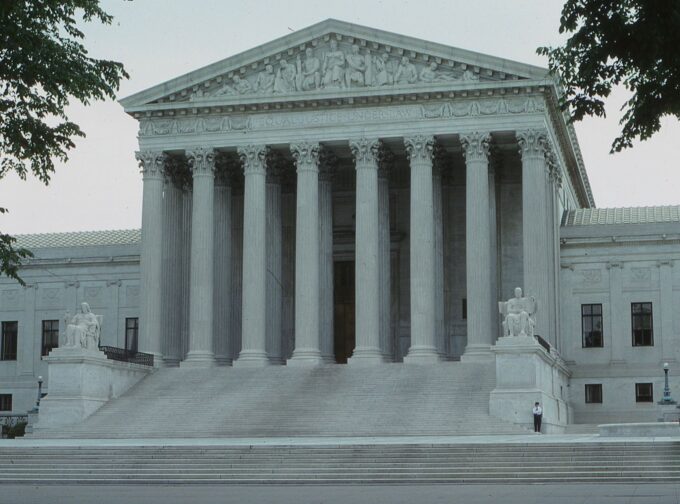
Supreme Court Schedules Hearing for Catholic Preschools in Colorado’s Universal Program Case
The Supreme Court's decision to hear this case could redefine educational funding...
1 Mins read



Farm Bill Stalls in Senate Agriculture Committee
The delay in the Farm Bill negotiations raises concerns about agricultural policy...
1 Mins read
