
Hong Kong Democracy Activist Granted Temporary Stay in the UK Amid Immigration Issues
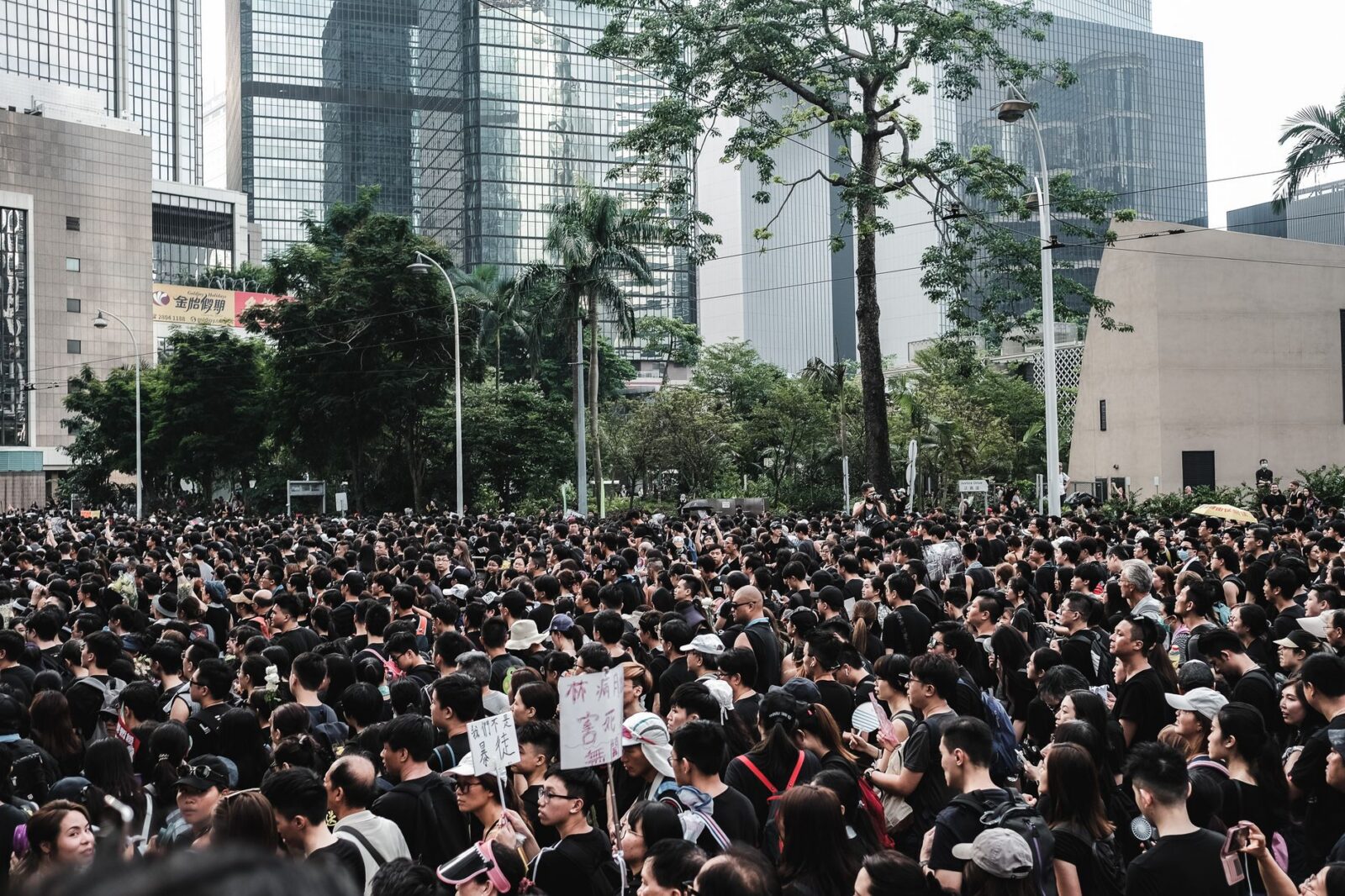
On July 27, 2026, a prominent Hong Kong democracy activist was granted a six-month temporary stay in the United Kingdom following a contentious immigration dispute. This decision, made by UK immigration authorities, highlights the ongoing struggle for political asylum for individuals fleeing repressive regimes.
The activist, who has not been publicly named, faced potential deportation after arriving in the UK, where he sought refuge from the increasingly authoritarian measures imposed by the Hong Kong government. This incident occurs against the backdrop of heightened tensions between the UK and China, particularly concerning human rights violations in Hong Kong since the implementation of the National Security Law in 2020.
This development is significant not only for the individual involved but also for the broader implications it has on international relations and human rights advocacy. The UK’s actions reflect a commitment to providing sanctuary to those persecuted for their political beliefs, a stance that resonates with democratic values and raises questions about the effectiveness of international law in protecting fundamental rights. The situation is also emblematic of the challenges faced by activists worldwide, as they navigate the complex interplay of national sovereignty and human rights.
Looking ahead, this temporary stay may embolden other activists from Hong Kong and similar regions to seek asylum in the UK and elsewhere, potentially leading to increased diplomatic tensions between the UK and China. Furthermore, it underscores the urgent need for a coordinated international response to protect those facing persecution for advocating democratic freedoms, as the global community grapples with the implications of authoritarian governance.
Source: Audacy









Idaho Governor Appoints New Justice to Supreme Court Amid Upcoming Vacancy
The appointment of a new justice underscores the importance of judicial continuity...
 1 Mins read
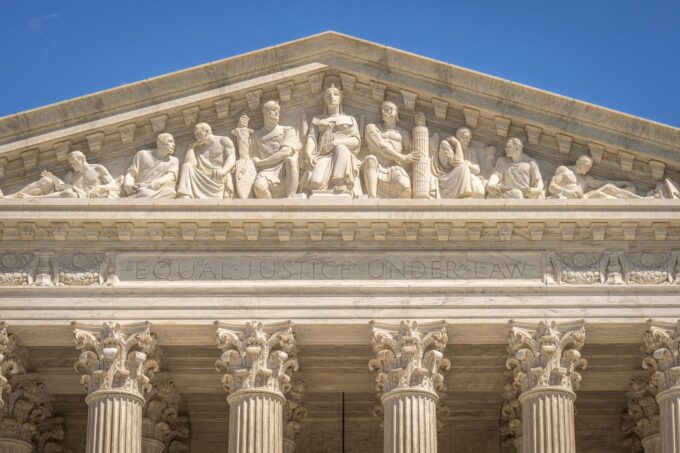
Trump Seeks Supreme Court Review of Defamation Case Against CNN
This legal move by Trump could reshape media accountability and free speech...
1 Mins read

Ossoff Claims Victory Following Trump Comment Controversy
Jon Ossoff's remarks on Donald Trump resonate amid ongoing political discourse, spotlighting...
1 Mins read
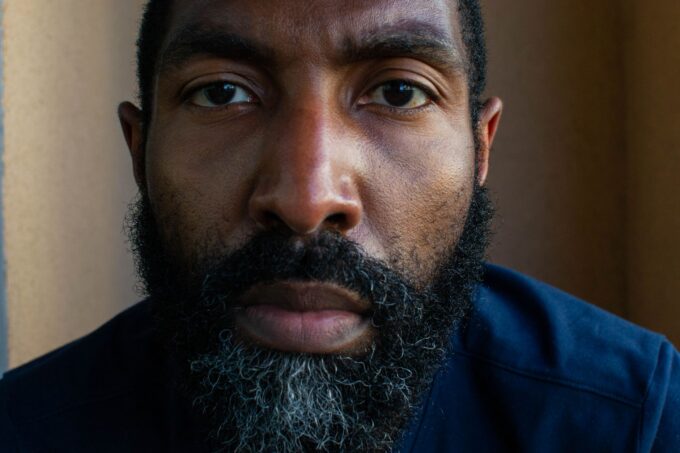


Ed Markey and Seth Moulton Clash in High-Stakes Democratic Senate Primary Debate
The debate between Markey and Moulton highlights pivotal issues in the Democratic...
1 Mins read