

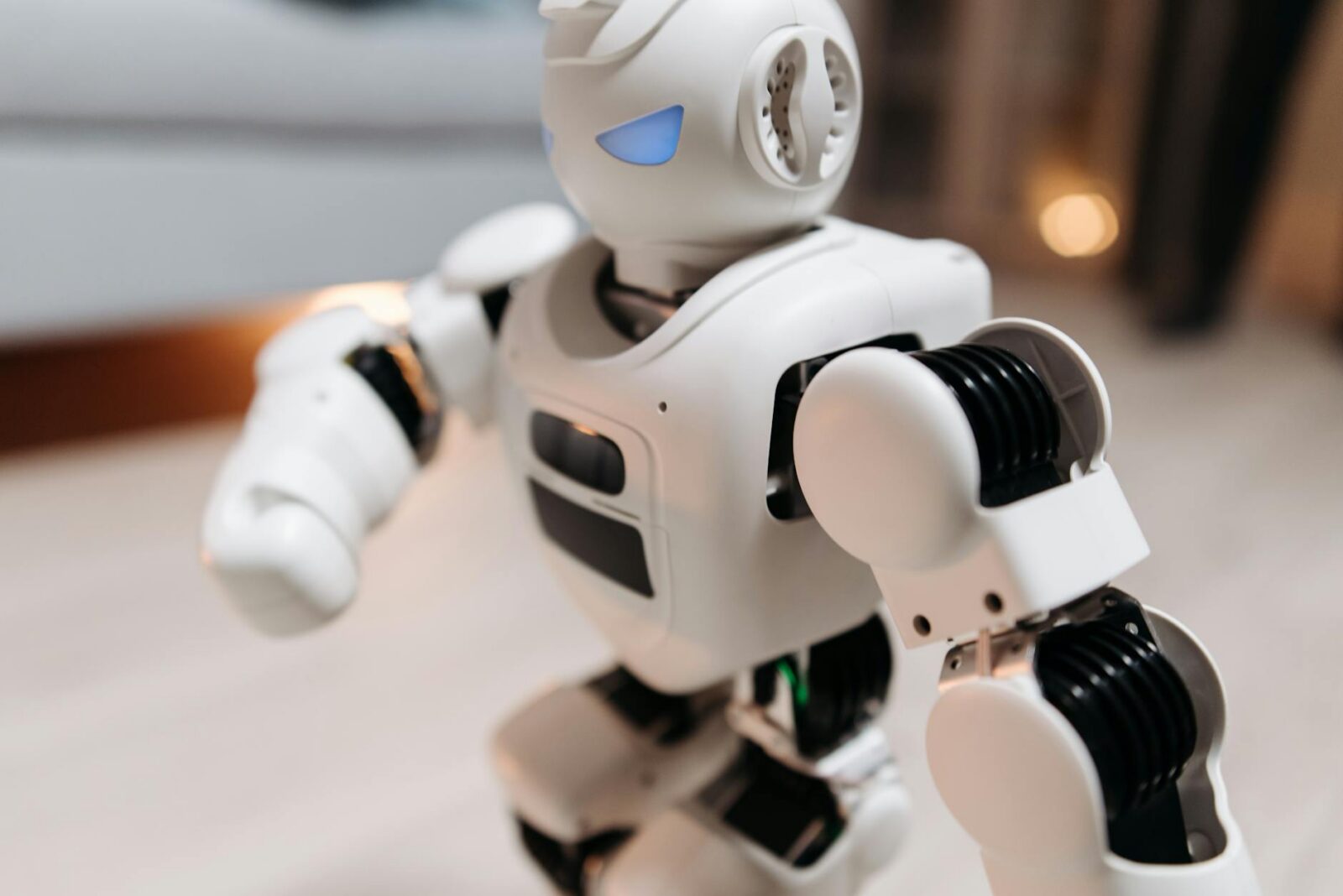
In a striking demonstration of technological prowess, a humanoid robot showcased its dance skills at a popular mall in Beijing on May 31, 2026. The performance, which attracted a significant crowd, highlighted the advancements in robotics and artificial intelligence that China has made in recent years. The robot, developed by a leading Chinese tech firm, executed complex dance routines, blending precision and creativity, which not only entertained spectators but also sparked discussions about the future of robotics in everyday life.
This event is significant because it reflects China’s strategic focus on becoming a global leader in artificial intelligence and robotics. With the Chinese government investing heavily in AI technologies—reportedly over $150 billion since 2017—this performance serves as a tangible example of the country’s commitment to integrating advanced technology into various sectors. The implications of this technology extend beyond entertainment; they touch on labor markets, economic structures, and even social dynamics as robots become more capable of performing tasks traditionally reserved for humans.
As the world watches, the performance raises critical questions about the pace of automation and its potential to disrupt existing job markets. Experts warn that as robots like this humanoid become more commonplace, industries such as hospitality, retail, and even healthcare may face significant transformations. The ability of robots to perform complex tasks could lead to widespread job displacement, prompting governments and businesses worldwide to rethink workforce strategies and retraining programs.
Looking ahead, the increased visibility of humanoid robots in public spaces could accelerate public acceptance of robotic technology. As these machines become integrated into daily life, we may see a shift in societal attitudes towards automation, paving the way for broader applications in various fields. The performance in Beijing is merely a glimpse into a future where human-robot collaboration becomes the norm, making it imperative for global leaders to engage in discussions about the ethical, economic, and social dimensions of this technological evolution.
Source: news.cgtn.com









Devin Williams Discusses Overcoming Challenges from Toronto’s Lineup
Devin Williams' insights on navigating Toronto's tough roster highlight the strategic complexities...
 1 Mins read

Nancy Mace Positions Herself as Potential Successor to Lindsey Graham Amidst Political Shift
Mace's potential campaign could reshape the Republican landscape and influence national policy...
1 Mins read

Darline Graham Sworn into Senate, Marks Historic Transition for South Carolina Politics
Darline Graham's ascension to the Senate signifies a pivotal moment in U.S....
1 Mins read



Lindsey Graham’s Sister Sworn in as South Carolina’s First Female Senator
The appointment of Lindsey Graham's sister to the Senate marks a significant...
1 Mins read
