

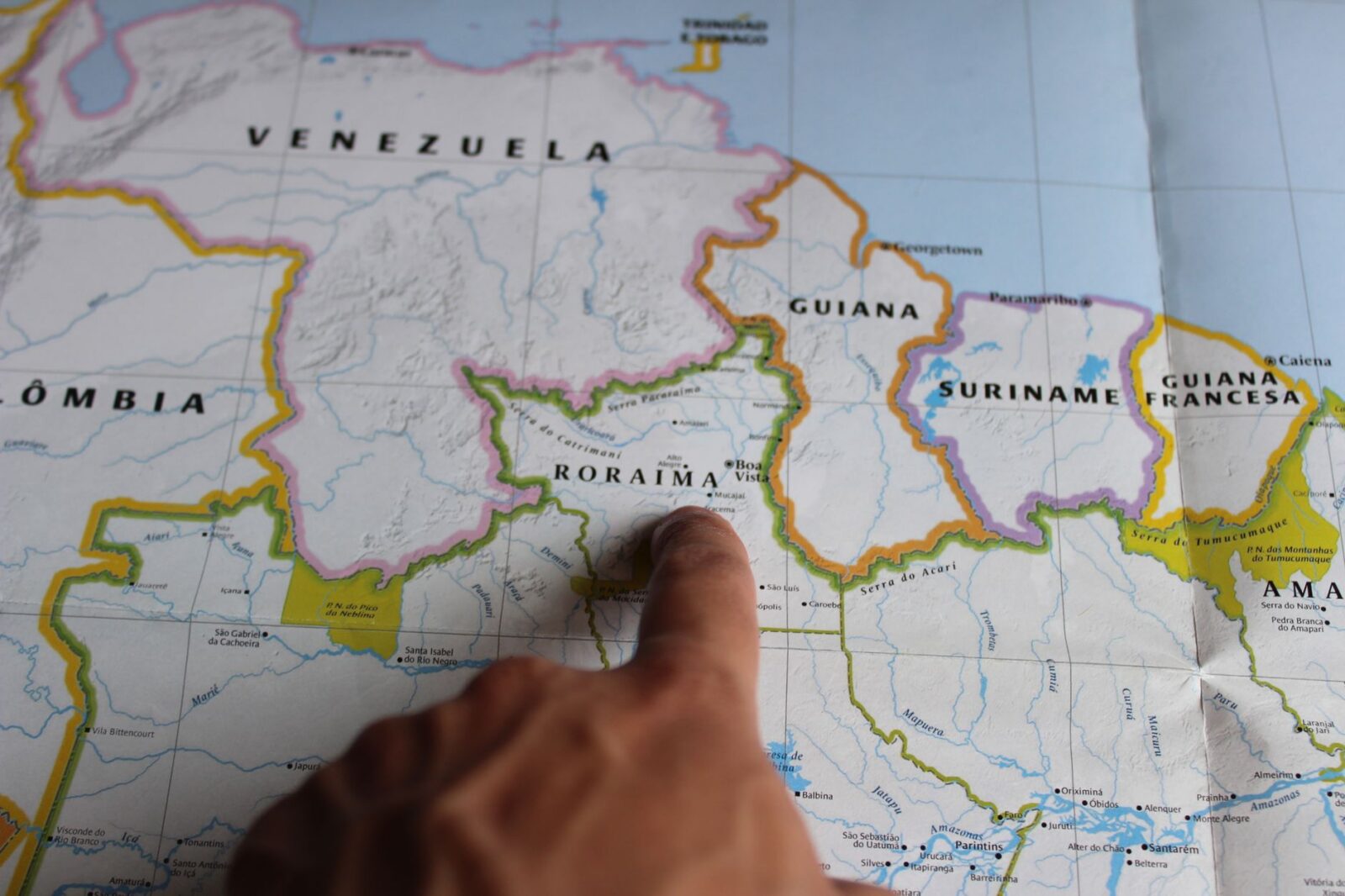
On August 7, 2026, the International Criminal Court (ICC) issued a formal appeal urging both Chad and Venezuela to reverse their recent decisions to withdraw from the Rome Statute, the treaty that established the ICC. This development is significant as it underscores ongoing tensions surrounding international justice and accountability mechanisms.
The ICC’s call comes in the wake of Chad’s announcement on August 6, 2026, that it would formally initiate its withdrawal from the Rome Statute, citing concerns over the court’s perceived bias. Similarly, Venezuela has indicated its intention to follow suit, a move that raises alarms regarding the potential erosion of international legal standards in both nations. The ICC’s statement emphasizes the importance of member states in upholding their obligations to combat impunity for serious crimes.
This situation is drawing global attention as it reflects broader debates on sovereignty, justice, and the role of international institutions in holding governments accountable. The ICC’s appeal highlights the implications of these withdrawals not just for the countries involved, but for the integrity of international law itself. Legal experts warn that such moves could embolden other nations to disregard international norms, potentially leading to a resurgence of impunity for human rights violations.
Looking ahead, the ICC’s response may include diplomatic efforts to engage both governments in dialogue to reconsider their positions. The international community will be closely monitoring the situation, and further actions could emerge from the UN or other international bodies aimed at reinforcing the significance of the Rome Statute. As these developments unfold, they will likely shape the discourse on international justice and accountability for the foreseeable future.
Source: Al Jazeera









Malmesbury Teen Faces 11 Charges in FBI-SAPS Child Pornography Investigation
The case highlights growing concerns over child exploitation and the international collaboration...
 1 Mins read
Tinubu’s Legal Team Moves to Block Release of Drug Trafficking Records in U.S. Court
The ongoing legal battle surrounding Nigerian President Tinubu's alleged drug trafficking ties...
1 Mins read

Oluwasegun Baiyewu Sentenced to 95 Months for $3.1 Million Fraud
Baiyewu's sentencing highlights ongoing global efforts to combat financial crimes and fraud.
1 Mins read



South Africa Submits ICJ Dossier on International Law Violations
South Africa's recent submission to the ICJ underscores its commitment to global...
1 Mins read