
India Responds to UN Rights Panel’s Criticism with Strong Rebuttal
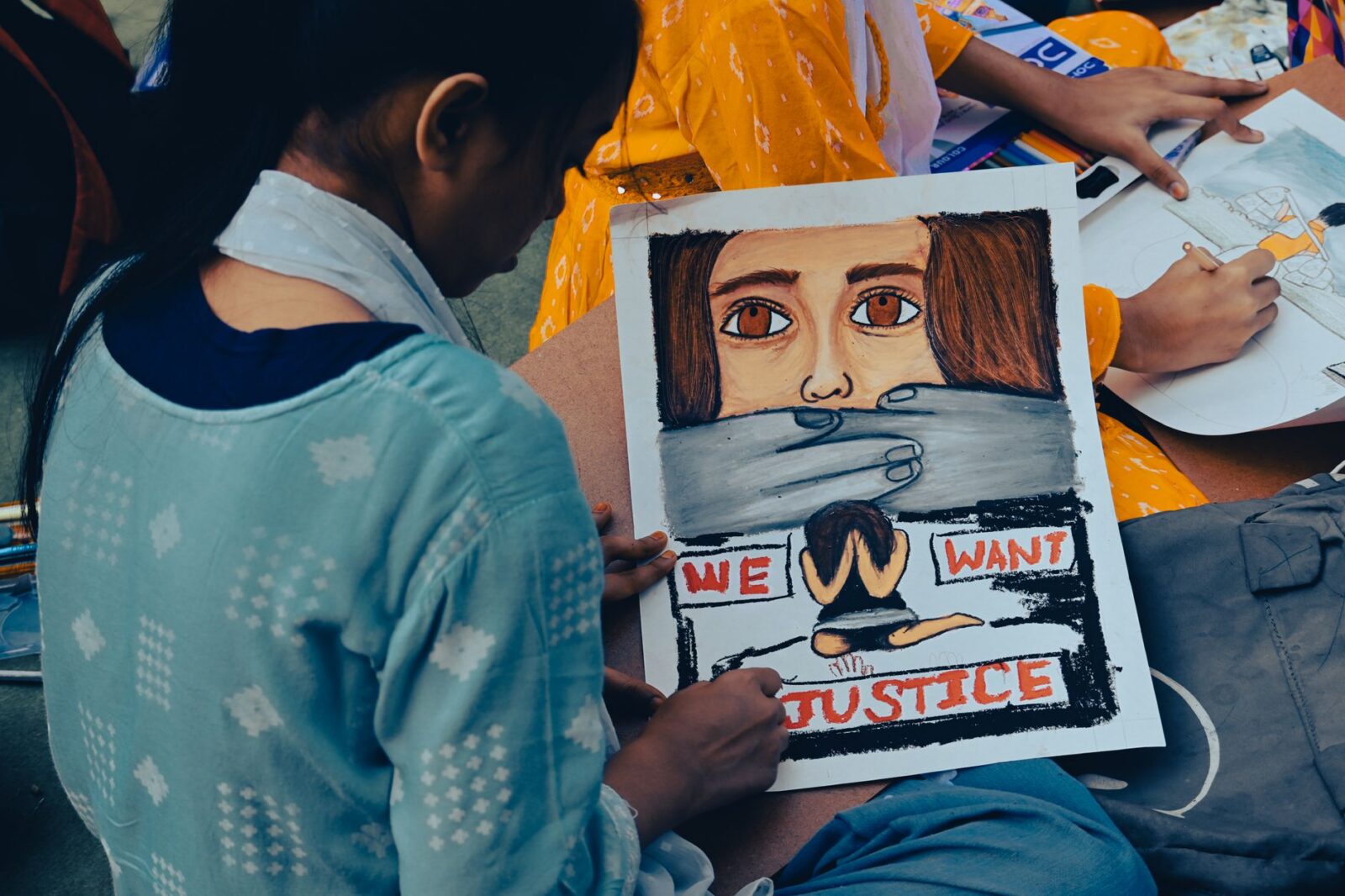
On August 26, 2026, India officially responded to allegations made by the United Nations Human Rights Council (UNHRC), which described recent governmental actions as “malicious” and detrimental to human rights. This statement came in the wake of a report released by the UNHRC that criticized India’s handling of protests and dissent in various regions, particularly in Kashmir and the northeastern states.
The Indian government, led by Minister of External Affairs S. Jaishankar, issued a statement dismissing the UNHRC’s claims as baseless and politically motivated. Jaishankar emphasized that these allegations undermined India’s sovereignty and its commitment to democratic principles. The UNHRC’s report, which focused on alleged human rights violations, has drawn international attention, prompting discussions on India’s compliance with global human rights standards.
This development is significant as it highlights the ongoing tension between India and international bodies regarding human rights. With India being one of the largest democracies in the world, its response to such criticism is closely monitored by global leaders, human rights organizations, and the media. The timing of this rebuttal is crucial as it coincides with India’s increasing geopolitical influence and its efforts to assert itself on the global stage.
Looking ahead, India may seek to engage in diplomatic discussions to mitigate the fallout from the UN’s report. Additionally, the government could enhance its public relations efforts to bolster its image internationally. The situation remains fluid, and further developments are anticipated as India continues to navigate its relationship with international human rights entities while asserting its national interests.
Source: myind.net








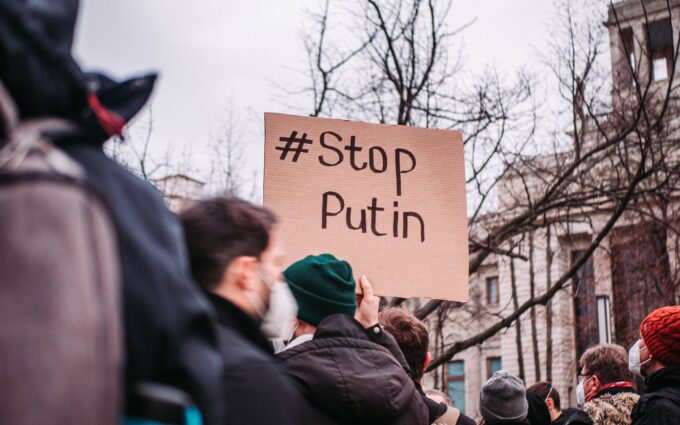
Pro-Putin United Russia Party Retains Majority in National Parliament Elections
The Pro-Putin United Russia party has successfully maintained its majority in the...
 1 Mins read
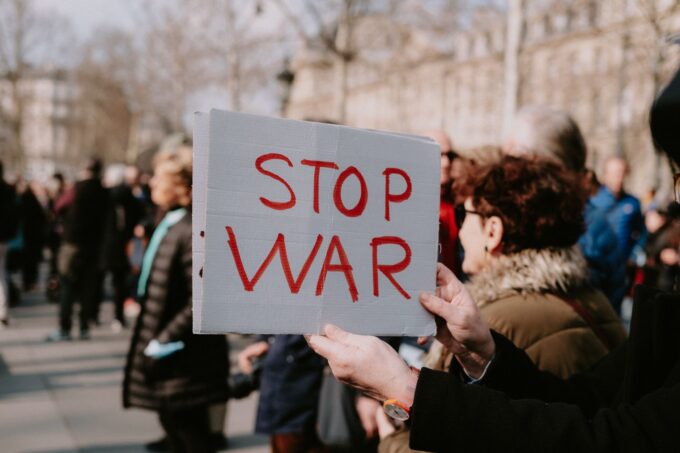
Iran Warns of Expanding War Geography in Response to U.S. Actions
Iran's recent warning about altering the geography of war highlights escalating tensions...
2 Mins read
Iran Warns of Expanded War Geography Amid U.S. Tensions
Iran's recent warning regarding the expansion of the war geography in response...
2 Mins read


World Leaders Convene at UN to Address Global Crises
The United Nations General Assembly gathers to tackle pressing issues including war,...
2 Mins read
