
Inmate Commits Suicide in HMP Garth Following Failed Family Video Call
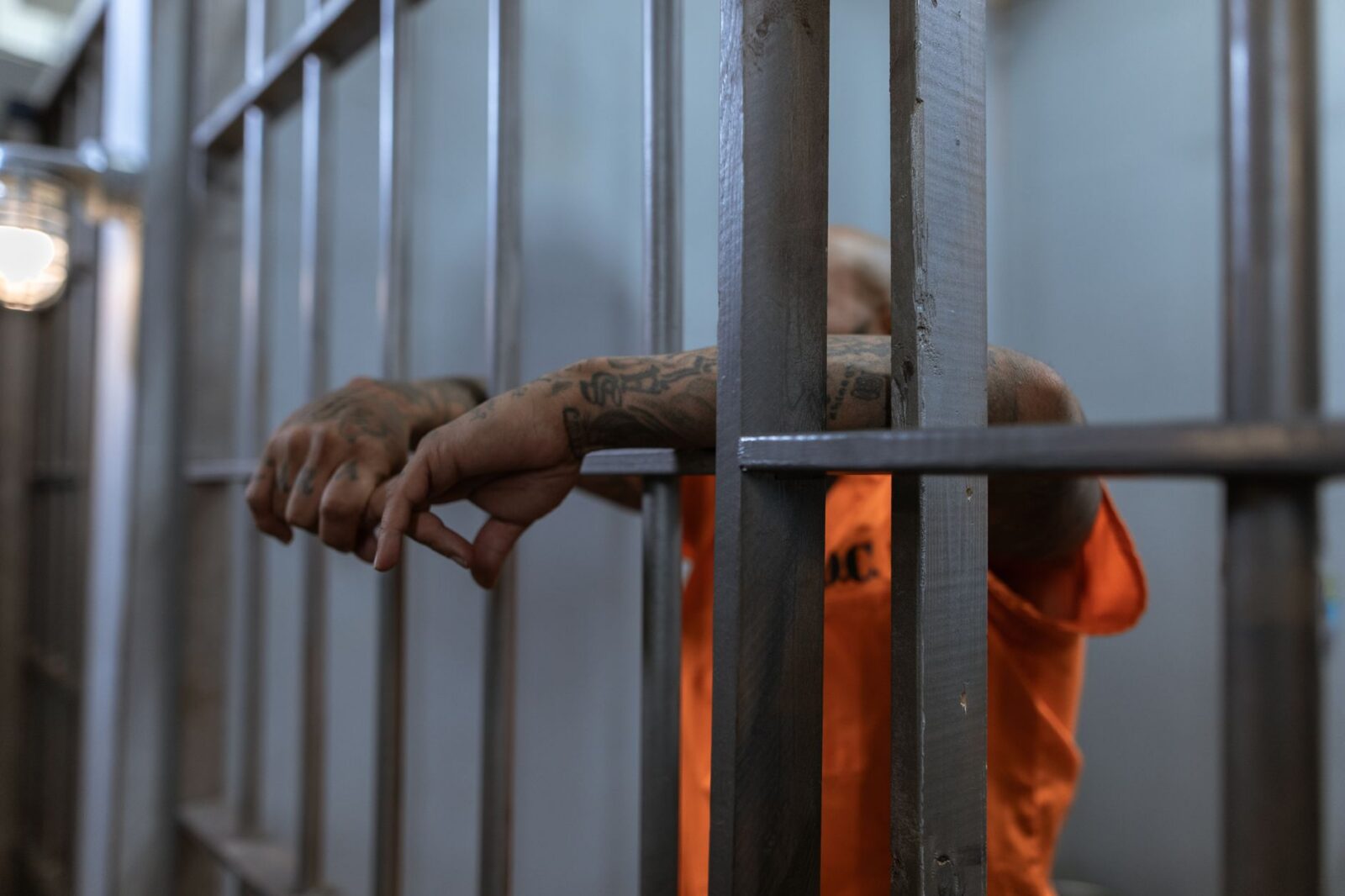
In a distressing event reported on July 29, 2026, an inmate at HMP Garth prison in England took his own life shortly after a failed video call with his family. This incident, occurring within the confines of a facility known for its high-security protocols, raises significant concerns about the mental health support provided to inmates, particularly during periods of isolation exacerbated by the COVID-19 pandemic and subsequent lockdowns.
The individual involved was serving a sentence for murder, highlighting the complex psychological challenges faced by those incarcerated for serious offenses. The failed video call occurred approximately one hour before the tragedy, suggesting a potential emotional crisis exacerbated by the inability to connect with loved ones. Such a scenario points to the broader implications of inmate welfare and the critical importance of maintaining familial ties as a stabilizing factor during incarceration.
This incident matters not only on a national level but also resonates with global discussions surrounding prison reform and mental health. The United Kingdom’s penal system, like many around the world, is under scrutiny for its capacity to address mental health issues among inmates. The lack of adequate support can lead to tragic outcomes, prompting calls for policy changes that emphasize preventative measures and mental health resources within prisons.
Looking ahead, this incident may catalyze renewed advocacy for comprehensive mental health programs within correctional institutions. Stakeholders, including policymakers and prison reform advocates, may push for legislative changes aimed at enhancing psychological support services. Furthermore, as public awareness grows, there is potential for increased funding and resources dedicated to mental health initiatives in prisons, aiming to prevent future tragedies of this nature.
Source: Blog Preston









Venezuela Faces New Tropical Waves Following Recent Flooding
The impending tropical waves highlight Venezuela's vulnerability to climate-related disasters amid ongoing...
 1 Mins read

Pentagon Dismisses Publisher and Editor of Stars and Stripes Amid Rising Censorship Concerns
This dismissal underscores ongoing tensions regarding military transparency and freedom of the...
1 Mins read

Kyrsten Sinema Calls for Transparency in Data Center Development
Senator Kyrsten Sinema emphasizes the need for community awareness regarding data centers...
1 Mins read



Supreme Court Reaffirms Industry Definition, Sparking Debate on Practical Impact
The Supreme Court's reaffirmation of its industry definition raises questions about its...
1 Mins read