

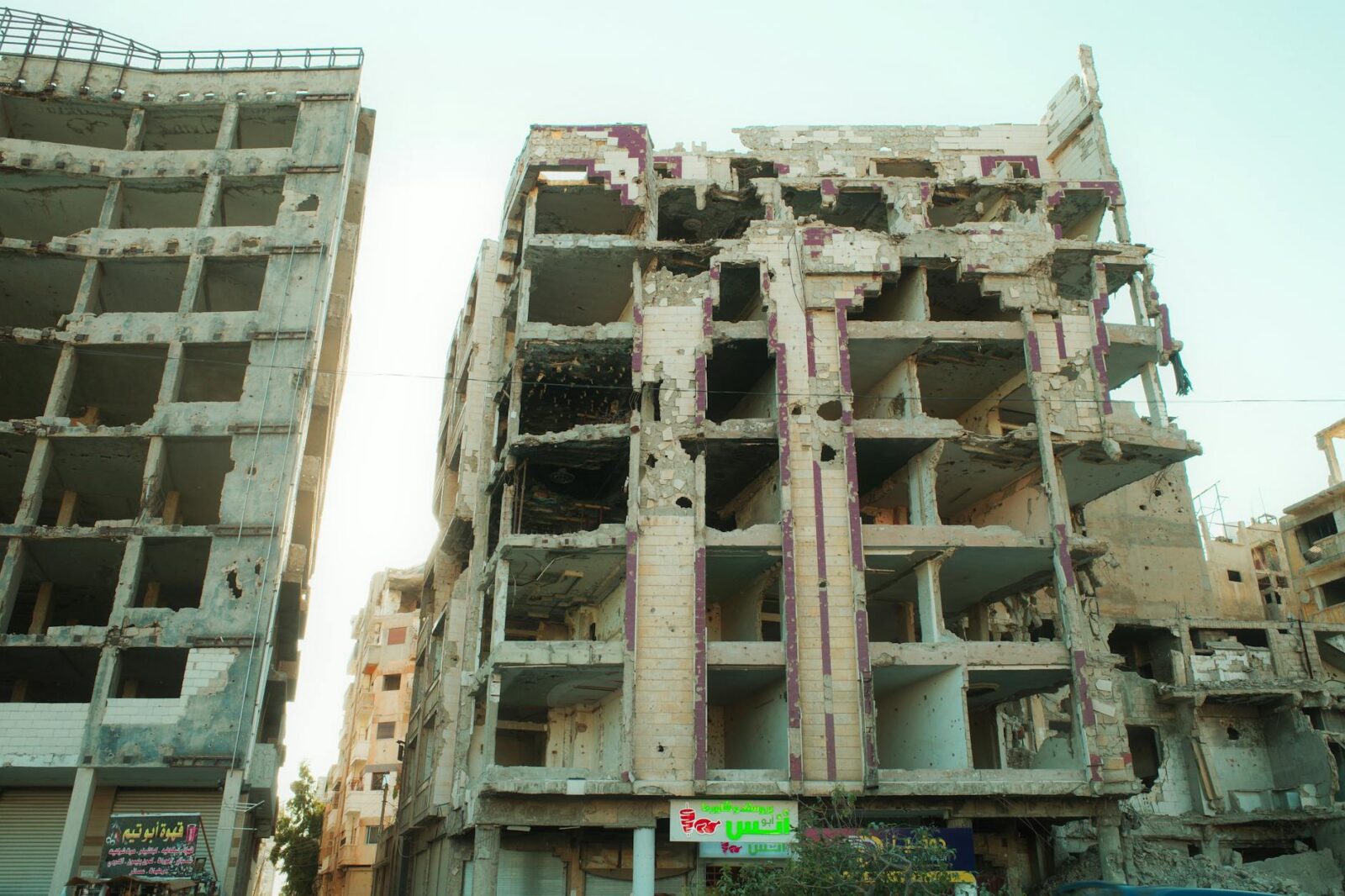
In a significant escalation of tensions, the conflict in Iran has intensified, leading to severe disruptions in energy supply across the Gulf region. As of May 31, 2026, reports indicate that Iranian forces have targeted strategic shipping lanes, crucial for the transport of oil, resulting in immediate impacts on both regional stability and international crude oil markets. This escalation has raised alarm among global energy stakeholders and investors, prompting urgent discussions about the future of oil supply from one of the world’s key producers.
Key players in this unfolding situation include the Iranian government, which has been facing increasing pressure from both internal dissent and external sanctions, and the Gulf Cooperation Council (GCC) countries, particularly Saudi Arabia and the United Arab Emirates, who are heavily reliant on stable oil prices for their economies. The Iranian conflict has historically impacted oil supply dynamics, but the current situation marks a critical turning point that threatens to exacerbate already high prices. Recent data indicates that crude oil prices have surged by approximately 10% in the past 48 hours, reflecting market fears of prolonged disruptions.
This situation matters on a global scale as it not only affects energy prices but also impacts inflation rates worldwide, potentially leading to increased costs for consumers and businesses alike. The ripple effects of rising oil prices can be felt across various sectors, from transportation to manufacturing, and can hinder economic recovery efforts in many countries still grappling with post-pandemic challenges. Furthermore, this conflict has the potential to draw in international powers, complicating an already volatile geopolitical landscape.
Looking ahead, if the conflict continues to escalate, we may witness further intervention from external powers, including the United States and European nations, who may seek to stabilize the region. Additionally, the situation could prompt a reevaluation of energy policies among major economies, possibly accelerating shifts toward alternative energy sources. Investors and policymakers alike will need to closely monitor developments in Iran, as the implications of this conflict extend far beyond the Gulf, affecting global energy security and economic stability.
Source: Crypto Briefing








Devin Williams Discusses Overcoming Challenges from Toronto’s Lineup
Devin Williams' insights on navigating Toronto's tough roster highlight the strategic complexities...
 1 Mins read

Nancy Mace Positions Herself as Potential Successor to Lindsey Graham Amidst Political Shift
Mace's potential campaign could reshape the Republican landscape and influence national policy...
1 Mins read

Darline Graham Sworn into Senate, Marks Historic Transition for South Carolina Politics
Darline Graham's ascension to the Senate signifies a pivotal moment in U.S....
1 Mins read



Lindsey Graham’s Sister Sworn in as South Carolina’s First Female Senator
The appointment of Lindsey Graham's sister to the Senate marks a significant...
1 Mins read