
Israeli Airstrikes in Southern Lebanon Result in 12 Deaths Amid Ceasefire Violations
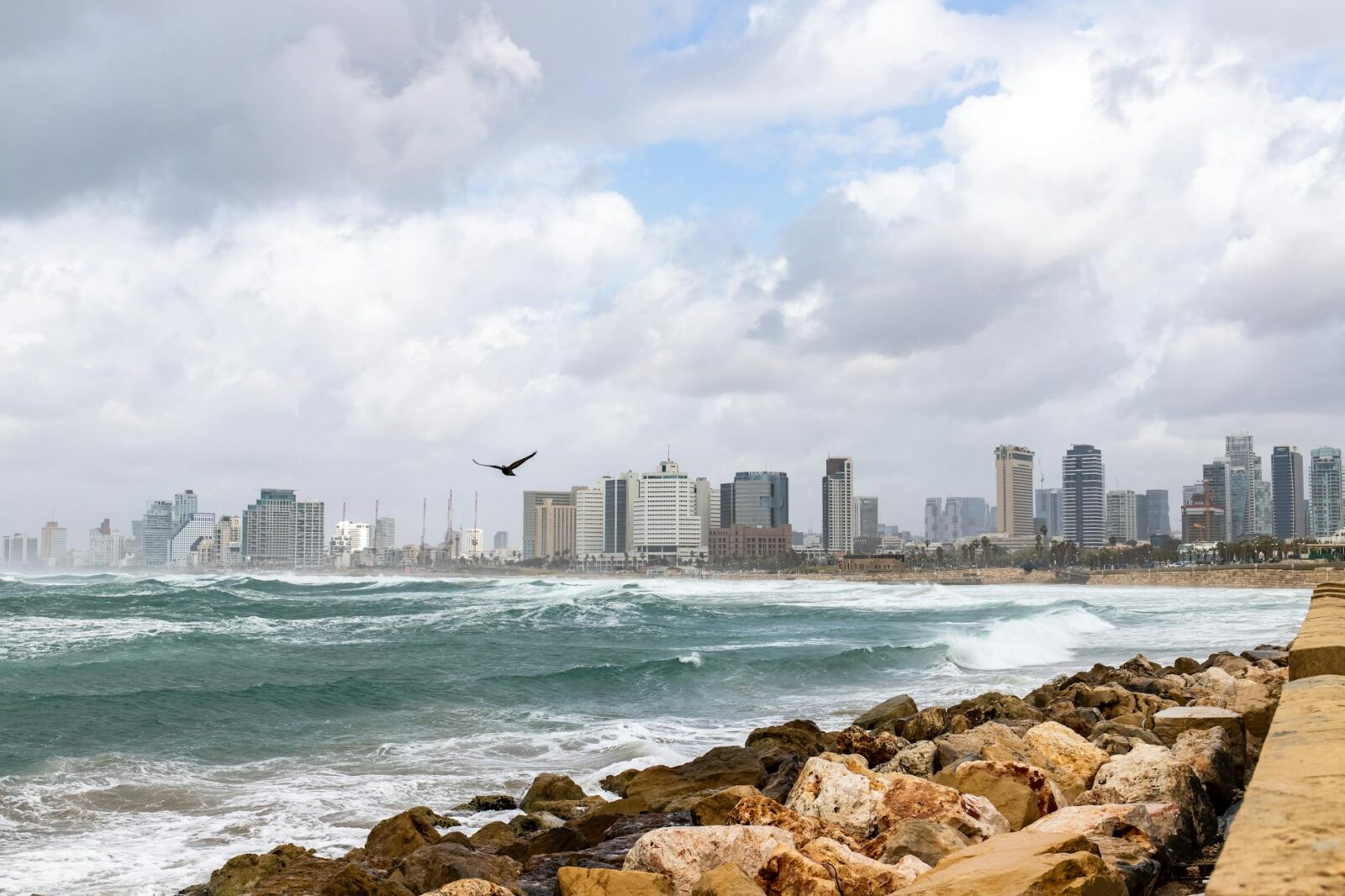
On May 31, 2026, Israeli airstrikes targeted southern Lebanon, resulting in the deaths of at least 12 individuals and injuries to dozens more. This military action occurred despite an ongoing ceasefire agreement aimed at reducing hostilities between Israel and Lebanese militant groups, particularly Hezbollah. The strikes have drawn widespread condemnation and raised concerns about the fragility of the ceasefire, which had been brokered to prevent further escalation following months of intermittent clashes along the Israel-Lebanon border.
The Israeli Defense Forces (IDF) have justified the airstrikes as a necessary response to perceived threats from Hezbollah, which has been accused of launching rockets into Israeli territory. This incident marks a significant escalation in violence, reflecting the complex and often volatile relationship between Israel and Lebanon, a situation exacerbated by regional tensions involving Iran and its support for Hezbollah.
The implications of these airstrikes extend beyond immediate casualties; they pose a severe threat to the delicate balance of power in the region. Global leaders and international organizations are closely monitoring developments, as renewed violence in Lebanon could destabilize the broader Middle Eastern landscape, impacting not just Israel and Lebanon but also neighboring countries such as Syria and Iran. The potential for a broader conflict raises alarms for international diplomatic efforts aimed at fostering peace in the region.
Looking ahead, the likelihood of retaliatory actions from Hezbollah is high, which could lead to a cycle of violence that undermines the ceasefire. International mediators, including the United Nations, may need to intervene more robustly to prevent further escalation and to stabilize the situation. The global community’s response in the coming days will be crucial in determining whether this conflict can be contained or whether it will spiral into a larger confrontation.
Source: Anadolu Ajansı
Why It Matters
The recent Israeli airstrikes in southern Lebanon, which resulted in the tragic loss of at least 12 lives, underscore the precarious nature of the ceasefire that had been established to mitigate hostilities in the region. This military action, occurring despite ongoing diplomatic efforts to maintain peace, highlights the fragile balance that exists along the Israel-Lebanon border. The strikes not only reflect the immediate tensions between Israel and Hezbollah but also reveal the broader implications for regional stability, particularly in light of Iran’s influence and support for militant groups.
As the international community watches closely, the potential for renewed violence poses significant risks not just to Israel and Lebanon, but to the entire Middle Eastern landscape. The delicate interplay of power dynamics in this region means that any escalation could have far-reaching consequences, affecting neighboring countries such as Syria and Iran. The global response to these developments will be critical in shaping the future of peace efforts and the stability of the region.
The ABL Lens
At A Bit Lavish, we recognize the complexity of geopolitical events and their impact on luxury markets and lifestyles. The unfolding situation in Lebanon serves as a stark reminder of how global tensions can ripple through various sectors, including luxury goods and travel. As consumers become increasingly aware of the geopolitical landscape, brands must navigate these waters with sensitivity and an understanding of their audience’s concerns.
The airstrikes and subsequent casualties not only draw attention to humanitarian issues but also to the economic implications for luxury sectors that thrive on stability and peace. In a world where luxury is often intertwined with global narratives, the events in Lebanon may influence consumer sentiment and purchasing behavior, making it essential for brands to remain attuned to these shifts.
What To Watch Next
As the situation develops, several key factors will be crucial to monitor. First, the likelihood of retaliatory actions from Hezbollah could lead to an escalation of violence, further complicating the ceasefire. Observers should keep an eye on statements from both Israeli and Hezbollah leaders, as these will provide insight into the potential for renewed conflict.
Additionally, the role of international mediators, particularly the United Nations, will be pivotal in addressing the crisis. Their interventions may determine whether the situation can be stabilized or if it will spiral into a broader confrontation. The global community’s response in the coming days will be critical, as it could either pave the way for renewed diplomatic efforts or exacerbate existing tensions.
In this high-stakes environment, the intersection of luxury and global affairs remains a topic of significant interest. As we navigate these turbulent waters, A Bit Lavish will continue to provide insights into how such events shape not only the geopolitical landscape but also the world of luxury goods and lifestyle.










PAG Maintains Overweight Rating with Price Target Adjustment to $220
This adjustment signals confidence in PAG's growth potential, impacting investor sentiment and...
 1 Mins read

EchoPark Emerges as Beacon of Hope for Superspeedways Amid NASCAR’s Evolution
The transition to EchoPark signifies a pivotal moment for NASCAR's future and...
1 Mins read

New York Mets Mid-Season Player Evaluations Highlight Team’s Strategic Challenges
The New York Mets' mid-season evaluations underscore critical decisions facing the franchise...
1 Mins read



Lindsey Graham’s Sister Appointed to U.S. Senate Amid GOP Efforts to Solidify Majority
The appointment of Lindsey Graham's sister to the Senate underscores the GOP's...
1 Mins read
