
Israeli Airstrikes Target Lebanon Amid Ceasefire Violations

On June 2, 2026, Israeli military forces conducted a series of airstrikes in southern Lebanon, reportedly targeting Hezbollah positions. These strikes occurred despite an existing ceasefire agreement, which had been brokered to de-escalate tensions following months of conflict along the Israel-Lebanon border. The strikes resulted in multiple casualties, further complicating an already volatile situation.
The Israeli Defense Forces (IDF) stated that the operation was a response to ongoing rocket fire from Hezbollah, a militant group based in Lebanon, which has been engaged in hostilities with Israel for decades. This latest round of violence has drawn condemnation from various international actors, highlighting the fragile nature of peace in the region. Lebanon’s government, already grappling with a severe economic crisis, finds itself in a precarious position as it attempts to manage both domestic unrest and external aggression.
Why this matters now is underscored by the potential for broader regional implications. The ongoing conflict not only threatens to destabilize Lebanon but also risks drawing in other players in the Middle East, particularly Iran, which has historically supported Hezbollah. The international community, including the United Nations, has called for restraint from both sides, yet the effectiveness of such appeals is increasingly in question as hostilities escalate.
Looking ahead, the possibility of a renewed full-scale conflict looms large. Analysts suggest that if the violence continues, it could provoke a more robust military response from Israel, potentially leading to a wider regional confrontation. Further, the humanitarian implications for civilians caught in the crossfire could prompt a crisis that may require urgent international intervention. The stakes are high, and the world watches closely as developments unfold.
Source: Anadolu Ajansı










Donald Trump Faces Pressure to Resign Amid ‘Lethal’ White House Leaks
The potential resignation of Donald Trump could reshape U.S. politics and global...
 1 Mins read

New York Knicks Star Rejects NBA Champions’ Visit to Trump’s White House
The refusal by NBA stars to visit the White House highlights ongoing...
1 Mins read
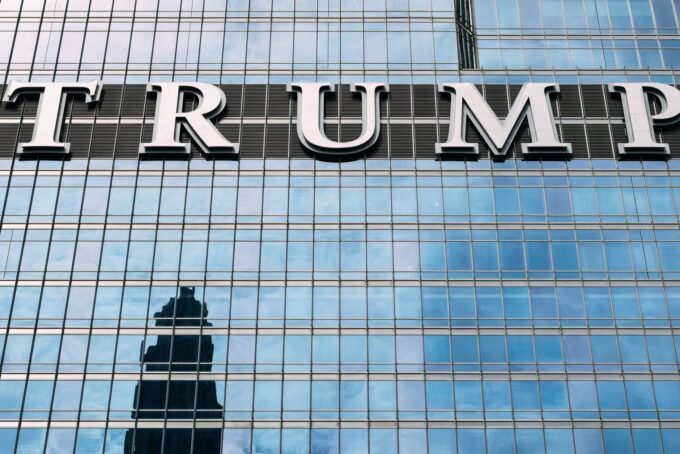
Trump Faces Scrutiny Over Crowd Size Claims at Great American State Fair
The global political landscape is watching as Trump's crowd size claims raise...
1 Mins read



Natalie Harp’s Brother Addresses Her Allegiance to Trump Amidst Growing Political Divisions
Natalie Harp's brother's comments highlight the increasing polarization within American politics, reflecting...
1 Mins read