
Jon Stewart Critiques Congressional Age Gap Amid Heightened Political Stakes
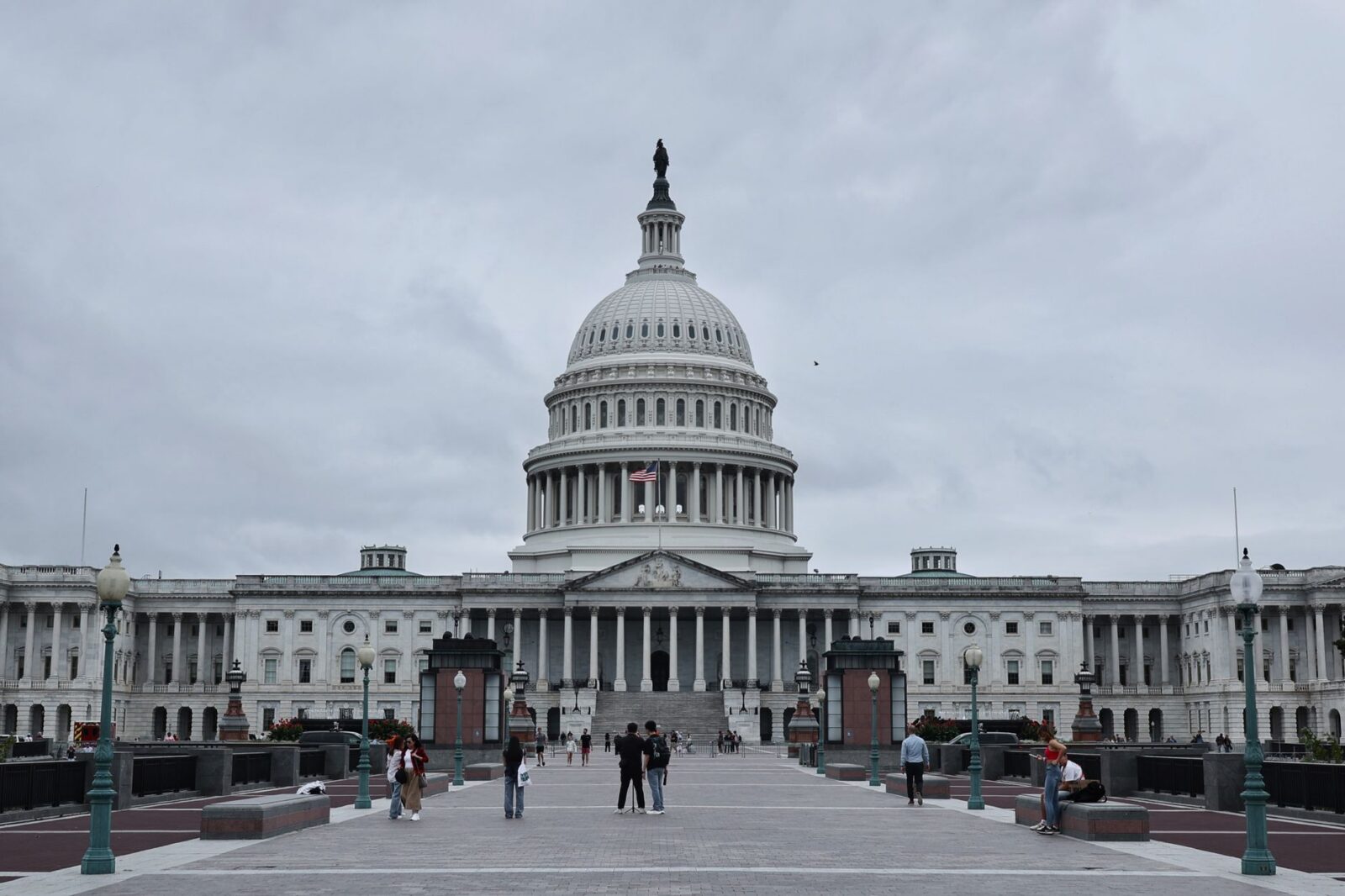
In a significant address on July 20, 2026, Jon Stewart, the renowned political commentator and activist, raised concerns about the advanced age of members of the United States Congress, emphasizing that “this is not right, the stakes are too high.” Stewart’s remarks come during a time of increasing global challenges, including economic instability, climate change, and geopolitical tensions that demand fresh, innovative leadership.
Stewart’s comments were made in the context of ongoing debates regarding the effectiveness and responsiveness of a Congress largely composed of older representatives who may not fully grasp the urgent needs of younger constituents. This demographic issue is particularly salient as younger generations are calling for more engagement in political processes and decision-making that directly impacts their futures. The current average age of Congress members stands at approximately 58 years, raising questions about representation and the ability to address contemporary issues.
The implications of Stewart’s critique extend beyond the borders of the United States. As the nation grapples with internal divisions and external pressures, the ability of Congress to adapt and respond effectively is crucial. The generational gap in leadership may hinder legislative progress on pressing matters, including healthcare reform, education policy, and climate action, which are critical not only domestically but also in relation to international commitments and alliances.
Looking ahead, if the discourse surrounding generational representation in Congress continues, it may lead to increased pressure for reforms, potentially influencing electoral outcomes in the upcoming midterm elections. This situation warrants close observation, as a shift towards younger leadership could reshape the legislative landscape and redefine the United States’ approach to global cooperation and domestic policy challenges.
Source: AOL.com








Missouri Voters Set to Decide New Congressional Map in November 2026
The upcoming vote on Missouri's congressional map could reshape political representation and...
 1 Mins read

Minnesota Officials Challenge Trump Administration’s Supreme Court Mail Ballot Request
The Trump administration's Supreme Court request to alter mail ballot rules in...
1 Mins read

Kansas State Fair Hosts Gubernatorial and Senate Debate
The Kansas State Fair's upcoming debates spotlight critical issues in U.S. governance...
1 Mins read



Sen. Mitch McConnell Expected to Return to Senate Next Week
Sen. Mitch McConnell's potential return is crucial for GOP leadership amid ongoing...
1 Mins read
