
Kroger’s Strategic Acquisition: A New Era for Regional Grocers

Big Moves in the Grocery Sector
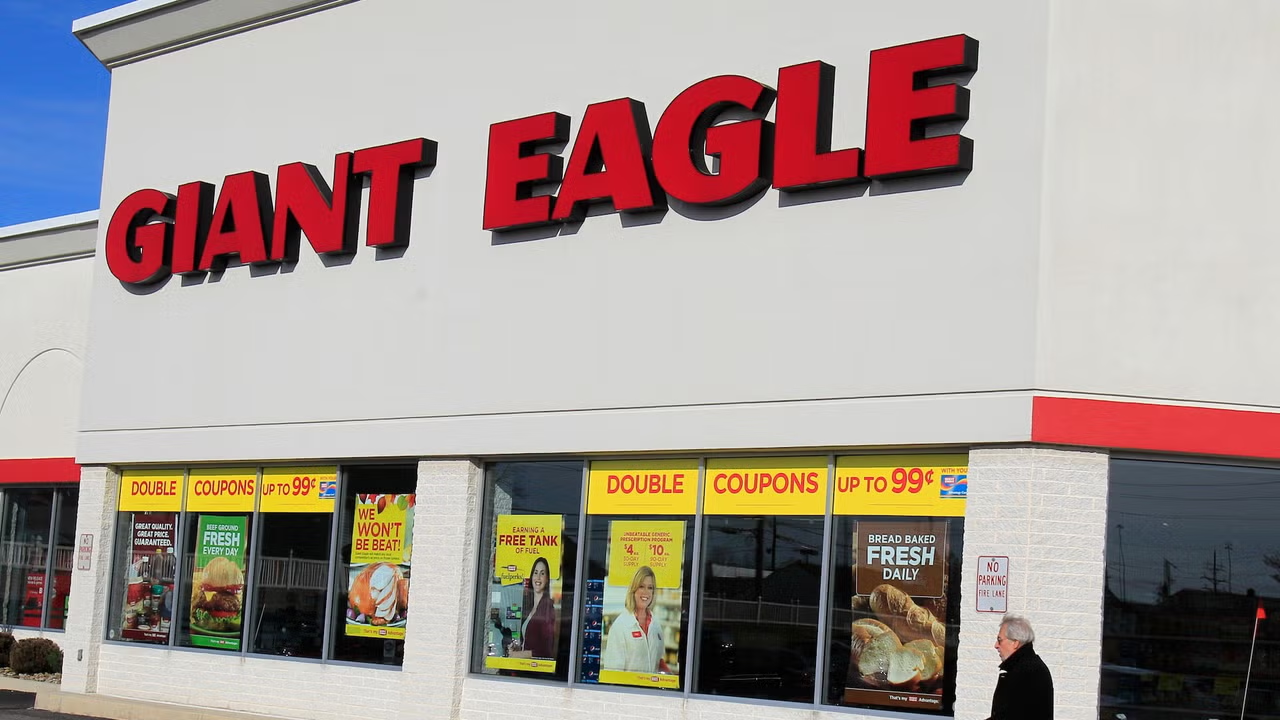
In a bold maneuver that underscores the shifting dynamics of the grocery industry, Kroger has announced plans to acquire the regional powerhouse Giant Eagle. Valued at an impressive $1.65 billion, this acquisition not only consolidates Kroger’s position as a leader in the U.S. supermarket landscape but also redefines the competitive framework of regional grocers.
A Closer Look at Giant Eagle
Founded as a family-run business, Giant Eagle operates 197 supermarkets and 11 pharmacies across key markets including northern Ohio and western Pennsylvania. Renowned for its commitment to fresh produce and exceptional customer service, Giant Eagle has cultivated a loyal customer base, making it a strategic fit for Kroger’s expansion efforts. Under the terms of the acquisition, Giant Eagle will maintain its brand identity while integrating into Kroger’s extensive operational framework.
Navigating Market Pressures
The grocery sector has faced unprecedented challenges, with traditional grocers like Kroger feeling the heat from competitors such as Walmart, Costco, and Amazon, as well as discount chains like Aldi. Kroger’s acquisition strategy is a direct response to these pressures, aiming to reposition itself in a rapidly evolving marketplace. Kroger CEO Greg Foran, who took the helm in February, emphasized the strategic fit of this acquisition, highlighting Giant Eagle’s strong reputation in fresh products and customer loyalty.
Revisiting the Failed Albertsons Merger
In 2022, Kroger’s ambitious plan to merge with rival Albertsons was stymied by regulatory hurdles, with the Federal Trade Commission and several states intervening over concerns regarding market competition. The merger was ultimately abandoned in late 2024, but the lessons from this experience seem to have informed Kroger’s current strategy. By acquiring an established regional player like Giant Eagle, Kroger is strategically diversifying its portfolio while avoiding the pitfalls of larger merger complications.
Expert Insights on the Acquisition
Burt Flickinger, a prominent grocery industry analyst, lauded this acquisition as a “master stroke” for Kroger, asserting that it provides a significant gateway to the Mid-Atlantic, Northeast, and New England markets. Flickinger noted that Kroger’s history of lowering prices following acquisitions should assuage any antitrust concerns that may arise during the regulatory review process. This acquisition is poised to enhance Kroger’s competitive edge in these critical regional markets.
Anticipating Future Developments
As the transaction moves toward regulatory approval, Kroger and Giant Eagle anticipate the need to divest a limited number of stores to satisfy regulators. The completion of this acquisition is expected next year, paving the way for Kroger to solidify its presence in the grocery sector. With 2,685 stores already under its umbrella, Kroger’s strategic acquisitions demonstrate an adaptive approach to market shifts, positioning itself to thrive amidst changing consumer preferences.
Miami’s Grocery Landscape
For Miami residents, the implications of Kroger’s acquisition resonate deeply. As Miami continues to evolve into a premier destination for culinary innovation and lifestyle enhancements, the grocery landscape is equally transforming. With increasing competition among grocery retailers in the region, consumers are likely to benefit from enhanced offerings and improved pricing as larger players seek to capture market share. Kroger’s acquisition strategy may serve as a blueprint for other retailers in Miami, driving a wave of innovation and customer-centric approaches.
Editorial note: This article was created by A Bit Lavish Miami’s Magazine as an original editorial reinterpretation based on publicly available reporting. Original source: fastcompany.com. Read the original article here: https://www.fastcompany.com/91568399/kroger-giant-eagle.
Images are used for editorial reference with source credit. If an image requires correction or removal, please contact A Bit Lavish.









Navigating the Human-AI Relationship: Building Trust in a Digital World
Explore how businesses can foster trust in AI through well-defined human-AI boundaries,...
 ABL2 Mins read

Navigating the Real Estate Landscape: A Shift in Market Dynamics
Explore the evolving trends in real estate pricing across major U.S. metros,...
ABL2 Mins read
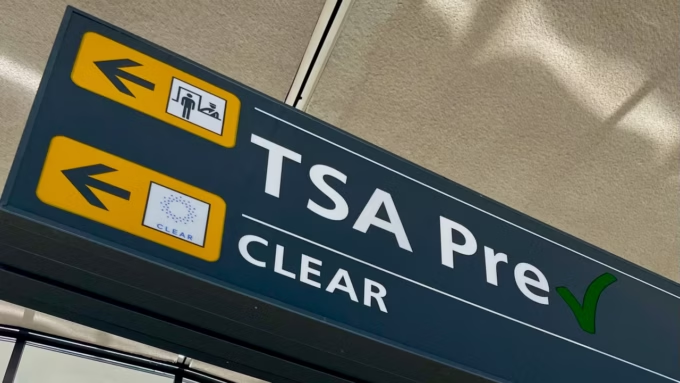
Rekindling Connections: TSA Gateside Revives the Air Travel Experience
Discover how TSA Gateside is transforming air travel by allowing non-flying PreCheck...
ABL2 Mins read
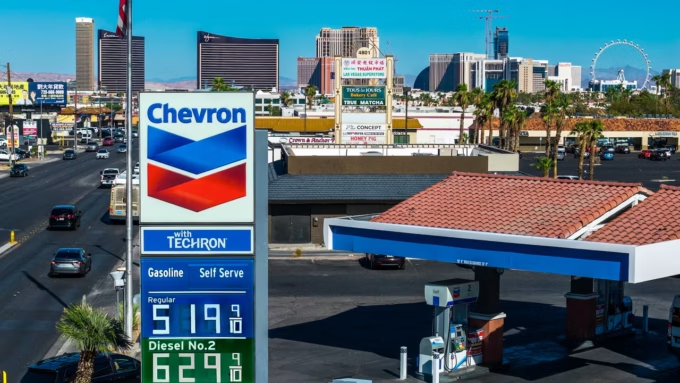


Navigating High Gas Prices: The New Reality for Miami’s Drivers
As gas prices soar to unprecedented levels, Miami's drivers must adapt to...
ABL3 Mins read
