
Lawsuit Filed Against Texas AG Ken Paxton Over Pregnant Woman’s Death Linked to Abortion Ban
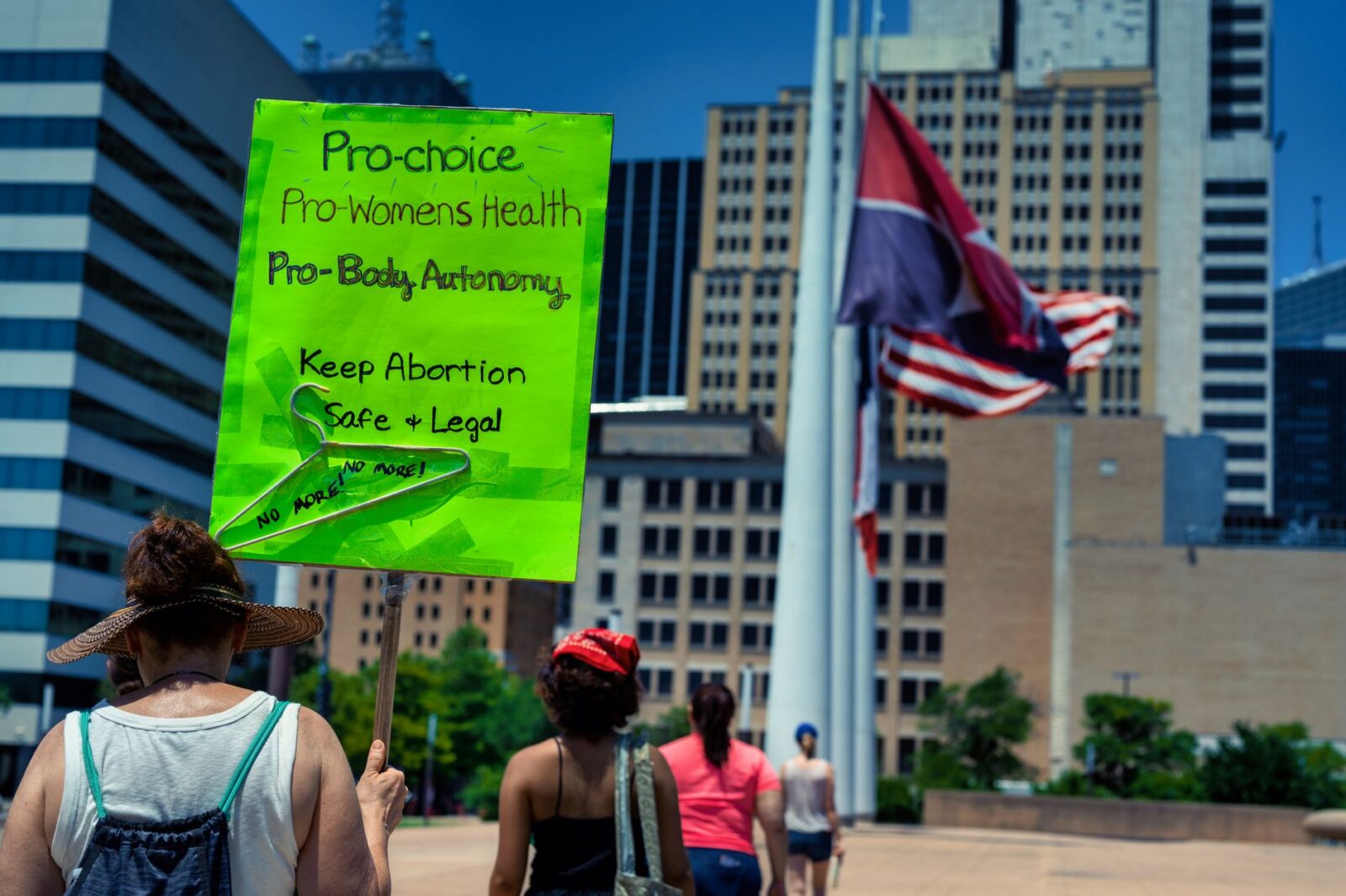
A lawsuit has been filed against Texas Attorney General Ken Paxton, alleging negligence in the death of a pregnant woman due to restrictive abortion laws.
DATELINE — Austin, Texas — September 17, 2026
The legal landscape surrounding abortion rights in Texas has taken a significant turn with the filing of a lawsuit against Attorney General Ken Paxton. The suit alleges that the state’s stringent abortion ban directly contributed to the death of a pregnant woman, raising critical questions about the implications of such legislation on women’s health and safety.
The lawsuit was officially filed on September 17, 2026, in a Texas district court. It centers on the tragic case of a woman who reportedly died after being denied a medically necessary abortion due to the state’s restrictive laws, which were enacted following the Supreme Court’s decision to overturn Roe v. Wade. The plaintiff in the case claims that Paxton’s office failed to provide adequate guidance on the application of these laws, resulting in a delay that ultimately led to the woman’s death.
This development is particularly significant given the backdrop of Texas’s controversial abortion legislation, which has been among the most restrictive in the United States. The law, which took effect in 2021, bans most abortions after six weeks of pregnancy and has been criticized for its lack of exceptions for cases involving severe fetal abnormalities or threats to the mother’s life.
According to the lawsuit, the woman’s death highlights the real-world consequences of these legislative actions. The plaintiff argues that the Attorney General’s office, which is responsible for enforcing these laws, acted negligently by not ensuring that healthcare providers had clear guidelines on when abortions could be performed under the law’s exceptions.
This lawsuit is receiving heightened attention as it underscores the ongoing national debate over abortion rights and the implications of state-level restrictions. With the potential for similar lawsuits to emerge across the country, this case could set a precedent for how states manage abortion laws and their enforcement.
Locally, the case has sparked outrage among women’s rights advocates and healthcare professionals who argue that such laws endanger lives. Nationally, it raises concerns about the broader implications of restrictive abortion laws and their impact on women’s health outcomes.
Looking ahead, the lawsuit could lead to significant legal battles that challenge the constitutionality of Texas’s abortion laws. If the court finds in favor of the plaintiff, it may prompt a reevaluation of the state’s approach to abortion and could influence similar cases in other jurisdictions. Additionally, this case may reignite discussions among lawmakers regarding the need for clearer guidelines and protections for women’s health in the face of restrictive legislation.
Source: NBC News




Cornell University Initiates Review of Fraternity Policies Following Rape Allegations
Cornell University has announced a comprehensive review of its fraternity policies in...
 1 Mins read
Tragedy Strikes Neighborhood Block Party in Vienna, Georgia: Two Dead, Dozens Injured
A shooting incident at a neighborhood block party in Vienna, Georgia, has...
1 Mins read
Cornell University Rape Accuser Faces Threats Amid Ongoing Lawsuit
A Cornell University student alleges she has received threats demanding she withdraw...
2 Mins read
Tragedy Strikes Georgia Block Party: Mass Shooting Leaves Two Dead and Dozens Injured
A mass shooting at a homecoming block party in Georgia has resulted...
2 Mins read