
Miami Police Establish East District, Adding 300 Officers
 ABLUpdated 12 months Ago2 Mins read349
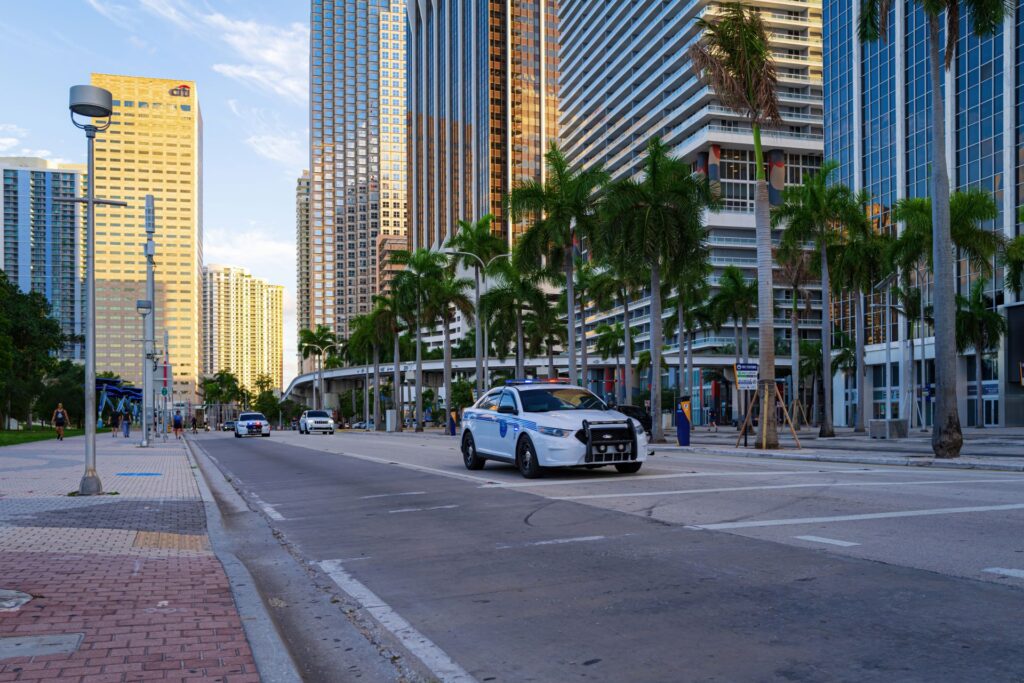
Miami Enters a New Era of Public Safety
On August 30, 2025, Miami Police Chief Manny Morales unveiled an ambitious plan to enhance public safety in the city by forming a new East District. This initiative consolidates the vibrant neighborhoods of Brickell, Downtown, and Edgewater into a unified zone, which will handle approximately 120,000 service calls annually. With a commitment to hiring 300 new officers over the next three years, the East District aims to bolster response capabilities and improve visibility, with full operational status expected by the end of 2025.
Strengthening Public Safety
The formation of the East District is a significant step towards improving public safety in one of Miami’s most bustling areas. The Downtown Development Authority is backing this initiative with enhanced surveillance infrastructure, funding for overtime, and even the introduction of a drone to support safety efforts. This multifaceted approach aims to create a safer environment for residents and visitors alike.
What This Means for Brickell, Downtown & Edgewater
1. Enhanced Safety & Visibility
One of the most immediate benefits of the East District will be an increased police presence. Residents can expect to see more officers patrolling on foot, scooters, and bicycles. This heightened visibility serves as a deterrent to crime, encouraging more people to explore and enjoy their neighborhoods without fear.
2. Faster, Smarter Response
With dedicated staffing and the integration of new technology, the response times to violent incidents are expected to improve significantly. Recent events, such as the stabbing at Icon Brickell Tower 3 and a shooting near Brickell City Centre, have underscored the need for a more agile police force. The East District aims to address these challenges head-on.
3. Greater Community Investment
The involvement of the Downtown Development Authority signals a long-term commitment to enhancing the city’s safety infrastructure. This investment goes beyond just policing; it includes tools like surveillance cameras and drones, which can provide valuable support in maintaining public safety.
Potential Trade-offs & Concerns
1. Budget Pressure & Resource Allocation
The plan to hire 300 new officers will require careful financial planning. Funding these positions—approximately 100 per year through 2028—may necessitate creative budgeting strategies, potentially relying on federal grants or reallocating city funds. Some residents may express concerns that this investment could come at the expense of other pressing needs, such as affordable housing or public parks.
2. Community Trust & Oversight
Miami’s police department has faced scrutiny over its history of oversight challenges, including a 2016 consent decree with the Department of Justice regarding excessive force. Expanding the police force without reinforcing accountability and transparency could undermine community trust. It is crucial that the department prioritizes community policing and engagement to foster a positive relationship with residents.
3. Equity & Neighborhood Disparities
While Brickell is a dense and affluent area, Edgewater, despite its rapid growth and development, has historically been under-resourced. Ensuring that the distribution of officers and services is equitable across all neighborhoods will be essential. This initiative must address the disparities to avoid exacerbating existing inequalities.
Final Thoughts
The launch of the East District represents a bold commitment by Miami to scale its public safety infrastructure in response to rapid urban growth. For residents and businesses in Brickell, Downtown, and Edgewater, this initiative could lead to reduced crime fears, safer streets, and a renewed sense of community confidence.
However, the success of this initiative will not solely depend on the number of officers deployed. It will require a focus on equitable resource distribution, transparent oversight, and robust community engagement to build and maintain trust—especially in neighborhoods like Edgewater, which are evolving but have historically been underserved. As Miami embarks on this new chapter, the hope is that it will create a safer, more inclusive environment for all its residents.








A Strategic Respite: The Mandarin Oriental Boca Raton Development Faces Challenges
Explore the latest developments in the Mandarin Oriental Boca Raton project as...
 2 Mins read

Banyan Tree Residences: A New Luxury Era in West Palm Beach
Discover the groundbreaking Banyan Tree Residences in West Palm Beach, merging exceptional...
2 Mins read
Navigating Turbulence: MG Developer Faces Legal Challenges Amidst Rising Market Pressures
Explore the recent challenges faced by MG Developer's Alirio Torrealba, as legal...
2 Mins read



Thesis Miami: A Landmark Mixed-Use Development Secures Major Refinancing
Explore how the Thesis Miami project in Coral Gables secures $177 million...
2 Mins read
