
Middle East Ceasefire Fails to Alleviate Ongoing Conflict Amid Escalating Violence
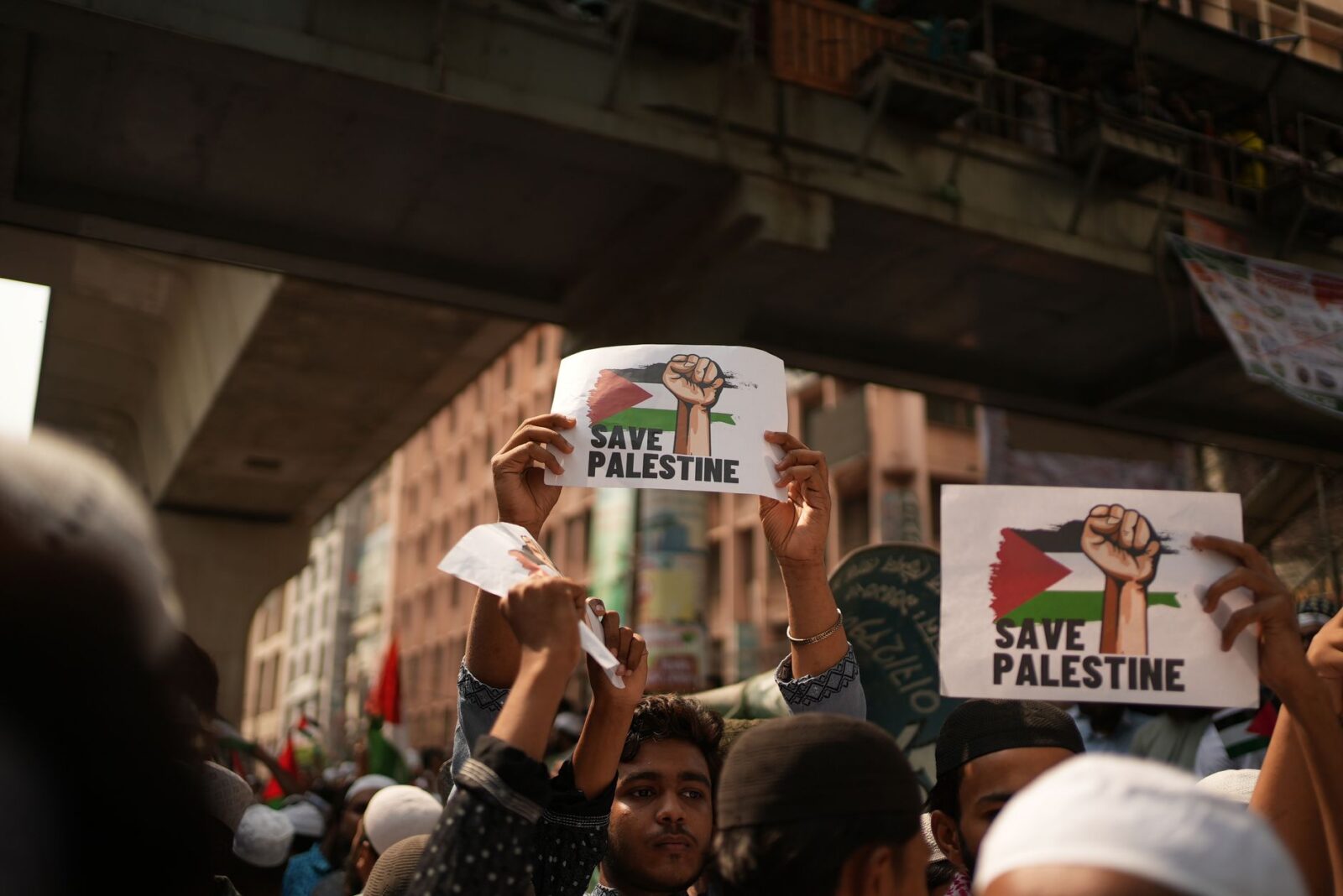
As of June 11, 2026, the fragile ceasefire in the Middle East, established to quell the recent surge in violence, is rapidly disintegrating. Reports indicate that clashes have intensified in Gaza and parts of the West Bank, with both Israeli Defense Forces and Palestinian militant groups engaging in exchanges of fire. This escalation comes just days after international mediators, including representatives from the United Nations and the United States, brokered a temporary truce, aiming to provide a window for humanitarian aid and diplomatic dialogue.
Key players in this conflict include the Israeli government led by Prime Minister Naftali Bennett, who is facing mounting pressure domestically to respond decisively to attacks from militant factions, including Hamas and Islamic Jihad. On the Palestinian side, the fractured political landscape complicates efforts for unity, with the Palestinian Authority struggling to assert its influence over Gaza, where militant groups operate with increasing autonomy. The situation is further exacerbated by regional dynamics, with Iran’s support for these groups contributing to a complex web of alliances and enmities.
This situation is critical for global stakeholders, as instability in the Middle East has far-reaching implications for international security, energy markets, and diplomatic relations. The potential for a broader regional conflict looms, especially if neighboring countries feel compelled to intervene or if external powers choose to escalate their involvement in support of either side. Moreover, the humanitarian crisis continues to deepen, with civilian casualties rising and essential services severely disrupted.
Looking ahead, if the current trajectory continues, we may witness a return to full-scale hostilities, which could provoke a wider regional conflict. Alternatively, there remains a slim possibility that renewed international diplomatic efforts could stabilize the situation, though skepticism abounds regarding the willingness of both sides to engage in meaningful negotiations. The world must remain vigilant, as the outcomes of these events will undoubtedly shape geopolitical dynamics for years to come.
Source: The Independent









Pope Leo XIV Remains Isolated at the Vatican Amidst Global Tensions
The isolation of Pope Leo XIV underscores the Vatican's precarious position in...
 1 Mins read
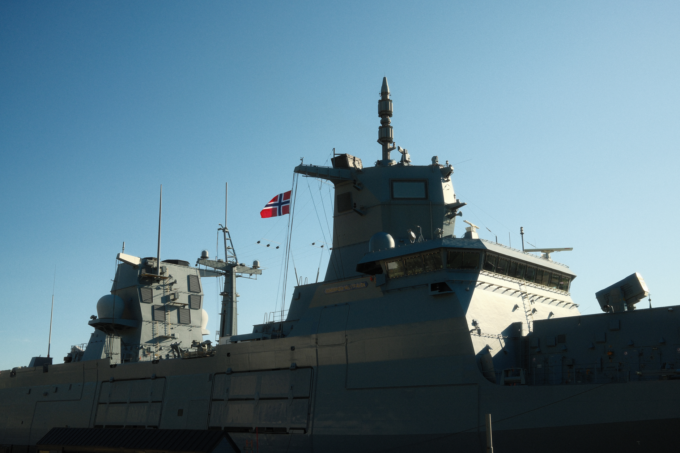
NATO Summit 2026 Addresses Defence Spending, Ukraine Crisis, and Iran Tensions
The NATO Summit 2026 is crucial as global security dynamics shift amid...
1 Mins read
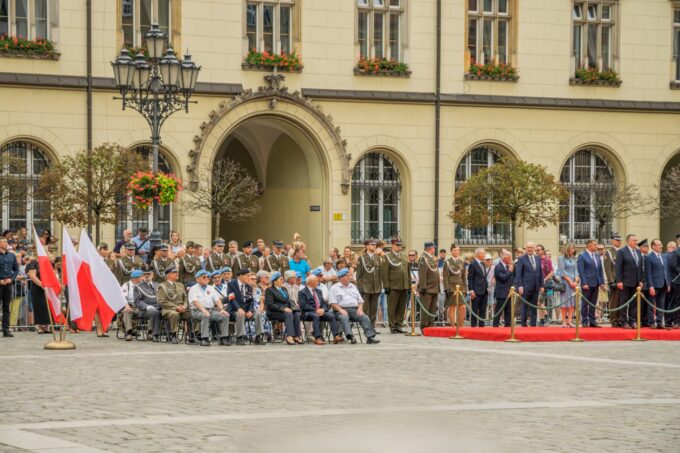
NATO Leaders Meet in Ankara to Discuss Ukraine Aid and Defense Spending
NATO's discussions in Ankara are pivotal as they shape global security dynamics...
1 Mins read
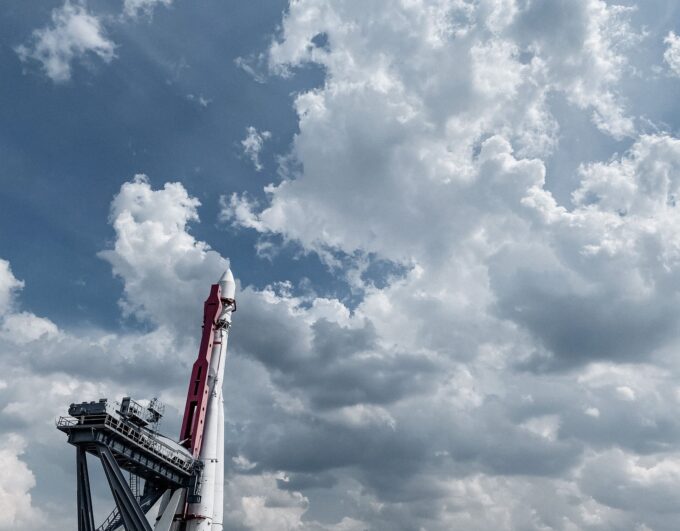


Russia Launches Strikes on Ukraine, Highlighting Air Defense Vulnerabilities Ahead of NATO Summit
The recent Russian strikes on Ukraine underscore critical air defense gaps, raising...
1 Mins read
