
NASA Discovers Largest New Moon Crater Following Asteroid Impact
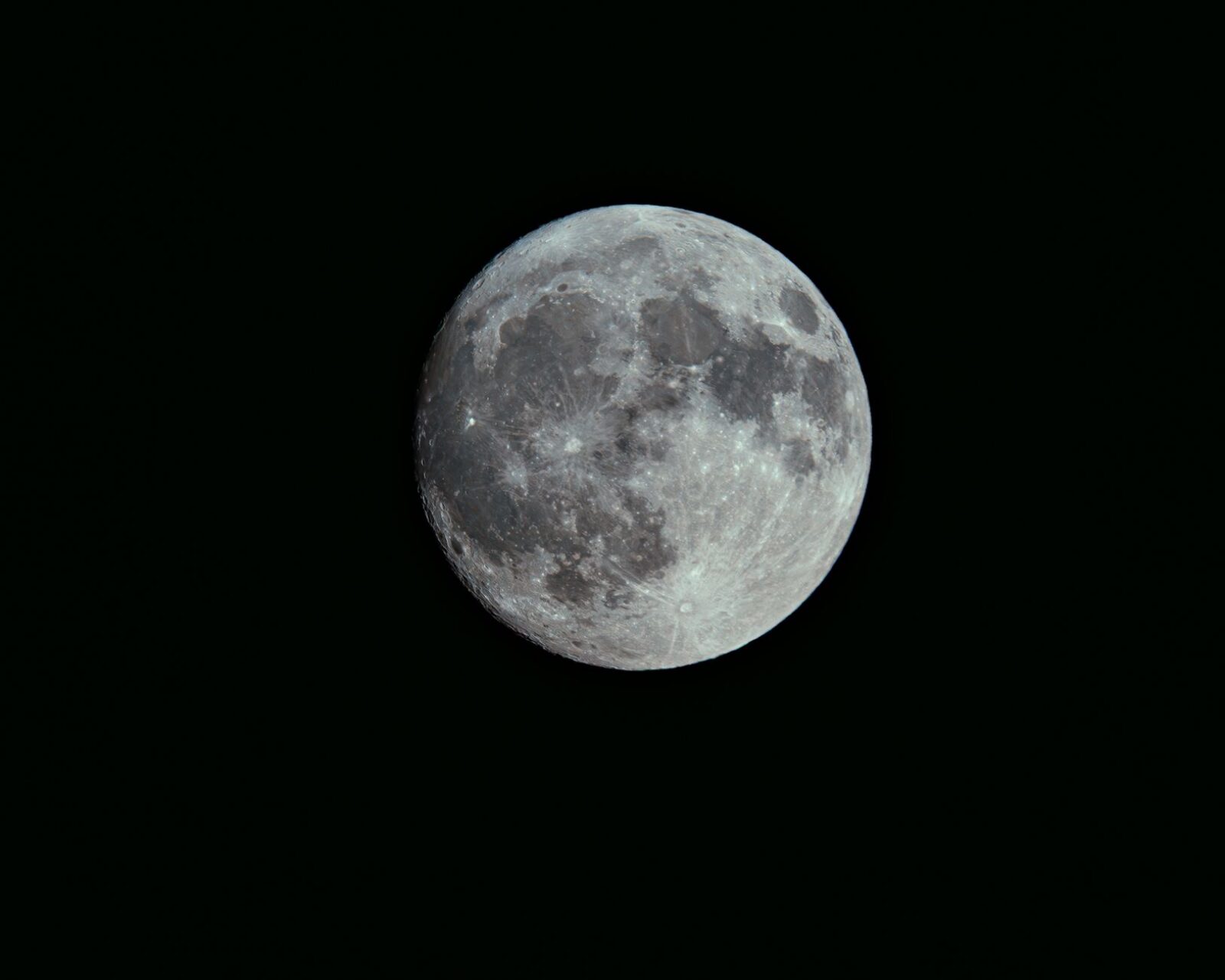
MIAMI — September 17, 2026
NASA has announced the discovery of the largest new crater ever observed on the Moon, resulting from an asteroid impact. This significant finding was confirmed on September 17, 2026, and represents a pivotal advancement in our understanding of lunar geology and the dynamics of asteroid impacts.
The crater, which was formed by an asteroid approximately the size of a building, underscores the ongoing geological activity on the Moon and the potential implications for future space exploration. The discovery was made by NASA’s Lunar Reconnaissance Orbiter (LRO), which has been mapping the lunar surface since its launch in 2009. The LRO’s high-resolution imaging capabilities allowed scientists to identify the crater and analyze its characteristics in detail.
This event is particularly noteworthy as it highlights the Moon’s vulnerability to impacts from celestial bodies, which can provide insights into the history of our solar system. The crater’s size and the nature of the impact could offer valuable data regarding the frequency and scale of asteroid collisions, which is crucial for planetary defense strategies.
The specific details surrounding the impact, including the exact dimensions of the crater and its location on the lunar surface, are still being analyzed. However, preliminary assessments indicate that the crater is significantly larger than any previously recorded new formations, emphasizing the need for continued monitoring of the Moon’s surface.
This discovery is receiving heightened attention now due to the increasing interest in lunar exploration, particularly in light of NASA’s Artemis program, which aims to return humans to the Moon by the mid-2020s. Understanding the Moon’s geological features and impact history is essential for planning sustainable human presence and potential resource utilization on the lunar surface.
On a broader scale, the implications of this discovery extend beyond lunar studies. It raises questions about the potential for similar impacts on Earth and other celestial bodies, thereby influencing future research in planetary science and astrobiology.
Looking ahead, NASA plans to conduct further analysis of the crater and its surroundings, which may include additional imaging and potential sample return missions in the future. The findings from this crater could inform not only lunar exploration but also the broader field of planetary defense, as scientists seek to better understand and mitigate the risks posed by asteroid impacts.
Source: Chicago Star Media




SpaceX Reattempts SDA Mission Amid Busy Launch Schedule
SpaceX's reattempt of the SDA mission marks a significant advancement in satellite...
 2 Mins read
SpaceX to Reattempt SDA Mission Amid Busy Launch Schedule
SpaceX's reattempt of the SDA mission on October 5, 2026, underscores the...
2 Mins read
US and German Scientists Awarded Nobel Prize for Breakthrough in Light-Driven Neural Switches
The 2026 Nobel Prize in Physiology or Medicine recognizes groundbreaking advancements in...
2 Mins read
Apple Unveils New Storage Removal Tool for Mac Users
The newly released tool allows Mac users to reclaim over 12GB of...
1 Mins read