
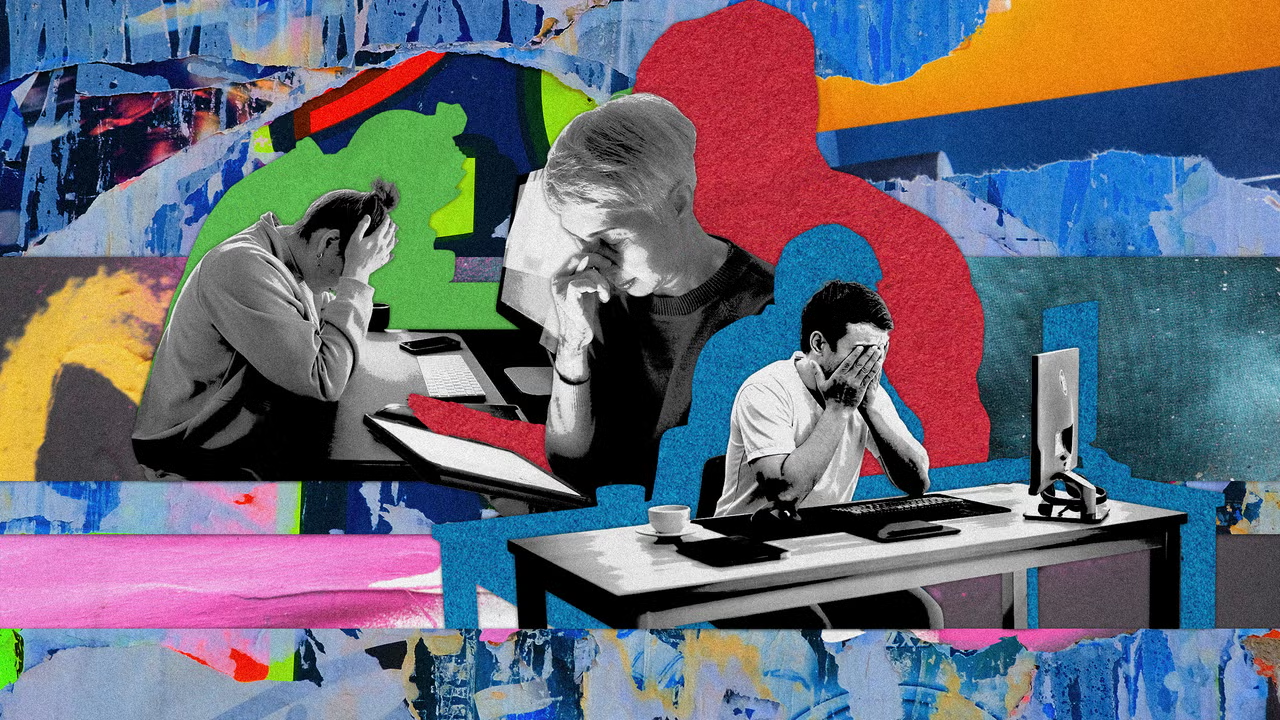
Embracing Change Amidst Chaos
The design industry is currently navigating a turbulent landscape, influenced by technological advancements, economic pressures, and evolving consumer expectations. As designers like Cari Sekendur, who transitioned from a structured agency environment to founding her own studio, Butter, often reflect, the desire for creative independence comes with its own set of hurdles. With clients increasingly leaning on generative AI, the traditional dynamics of client-designer relationships are shifting, leading many professionals to reconsider their pricing, project scopes, and even their future in the field.
The Impact of AI on Creativity
AI has emerged as a critical player in the design sector, forcing creatives to adapt swiftly. Sekendur notes a noticeable decline in project budgets and an extended decision-making timeline from clients—an unsettling shift that echoes across the industry. The concerns are not merely about losing work but about the very essence of creativity being undervalued. Many designers are grappling with an existential crisis, questioning whether their skills can still command respect and fair compensation in an AI-driven market.
According to recent surveys, over half of the designers believe AI is undermining their professional rates, while a significant majority feel it diminishes the value of human creativity. This sentiment reverberates through the community, as designers express frustration over clients’ expectations of more output for less pay, a trend exacerbated by AI’s rapid capabilities.
Redefining Success in Freelancing
With the shifting tides, the role of the freelance designer has also evolved. Kat Koh, a creative career coach, highlights the growing anxiety among designers who once felt secure in their identities but now face uncertainty about their livelihoods. The questions they pose have transformed from seeking specialization to pondering the viability of their entire career path. The current climate has bred fear, with many creatives worried about their ability to sustain a living amidst fluctuating demand and economic instability.
Finding Fulfillment Beyond Financial Metrics
Luke Tonge, an independent designer in Birmingham, underscores the emotional toll of these changes. Having transitioned from a structured agency environment, he finds solace in the freedom of freelancing, yet he acknowledges the insecurities that come with it. The juxtaposition of independence and the pressure to generate income creates a complex emotional landscape for many in the field. Tonge emphasizes that while freelancing allows for personal agency, it also brings its own set of challenges, particularly as the industry grapples with the implications of AI.
Ethics and the Future of Design
The ethical considerations surrounding AI in design are profound. Designers like Nike Kushick share their experiences of entering roles that prioritize AI-driven processes over traditional design skills, leading to a loss of passion and authenticity. As the industry embraces AI, there is a growing concern about the implications for future generations of creatives. How can we ensure that young designers cultivate critical thinking and a deep understanding of craft, rather than relying solely on visual output?
The challenge lies in balancing the advantages of AI with the core values of creativity and individuality. As designers navigate this new terrain, fostering a culture of mentorship and strategic thinking will be crucial in shaping a resilient and innovative future for the design profession.
Charting a Path Forward
For many creatives, the path ahead is unclear. The choice between the security of traditional employment and the autonomy of freelancing is no longer straightforward. Each option carries its own uncertainties, compelling designers to weigh their values against the realities of the market. The future of design may very well depend on how well designers can adapt to these changes while remaining true to their creative visions.
As Miami continues to evolve as a hub for innovation and creativity, the local design community must embrace these shifts, finding new ways to collaborate and thrive in an increasingly complex landscape. The resilience of Miami designers lies not only in their ability to adapt but also in their commitment to fostering a community that values creativity, ethics, and the human touch in an age of automation.
Editorial note: This article was created by A Bit Lavish Miami’s Magazine as an original editorial reinterpretation based on publicly available reporting. Original source: fastcompany.com. Read the original article here: https://www.fastcompany.com/91578654/how-designers-are-surving-an-industry-in-flux.
Images are used for editorial reference with source credit. If an image requires correction or removal, please contact A Bit Lavish.








Redefining Brand Engagement in the Age of AI: The Creator’s Influence
Explore how brands can leverage creator partnerships to navigate the evolving landscape...
 ABL3 Mins read

The Hidden Waters of AI: Navigating Infrastructure Challenges
Exploring the critical water challenges faced by AI infrastructure and the strategic...
ABL2 Mins read
The Art of the Pitch: Why Personalized Decks Outshine AI Creations
Explore the significance of authentic pitch decks over AI-generated alternatives and discover...
 2 Mins read



Navigating the Job Market: Crafting Requests That Resonate
Discover effective strategies for reaching out to your network during a job...
2 Mins read
