
Navigating Freedom: The Complex Journey of Venezuela’s Political Prisoners
Emerging from Shadows
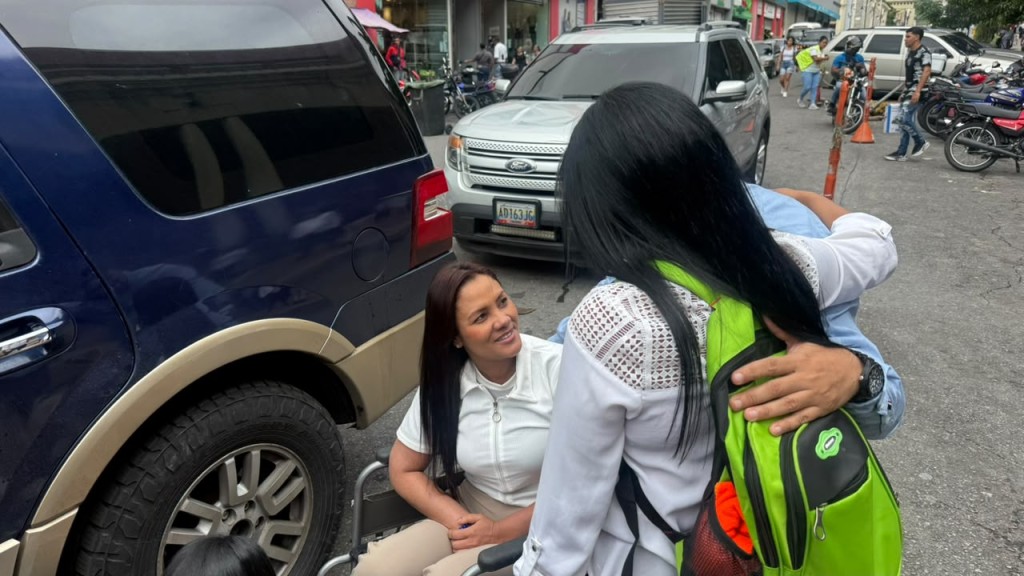
In a dramatic turn of events, several political prisoners in Venezuela have recently been released from incarceration, yet their newfound freedom is anything but absolute. A group of these individuals gathered at the Palacio de Justicia in Caracas to understand the legal constraints imposed upon them following their release. While the announcement promised the liberation of 130 prisoners, human rights organizations report that only around 80 have been freed as of the latest updates.
A Conditional Liberation
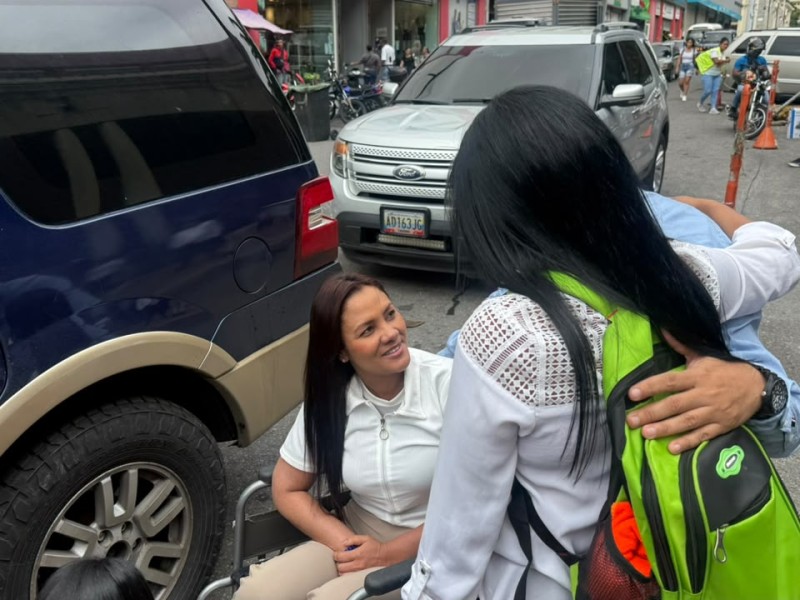
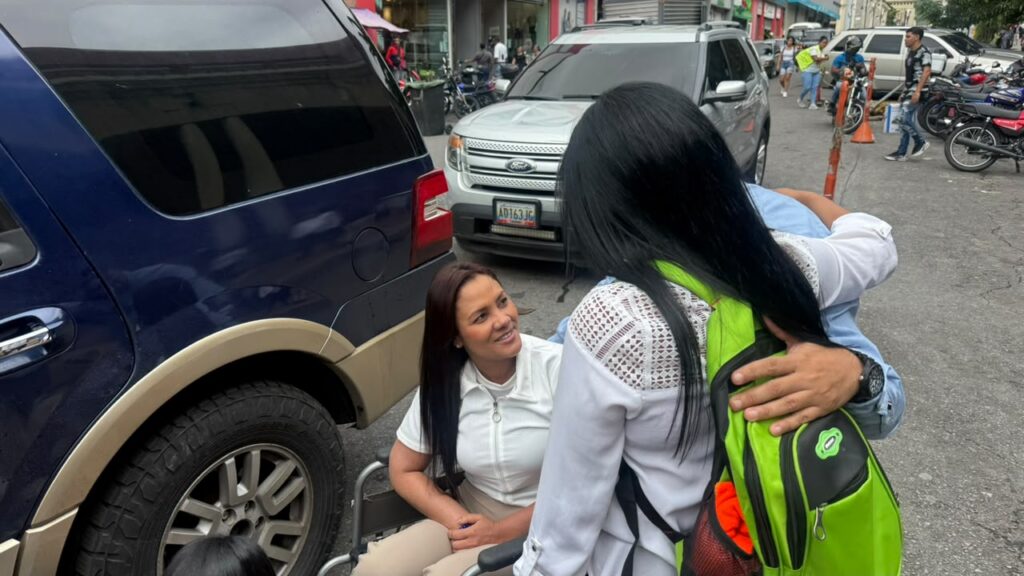
Among those who appeared in court was Emirlendris Benítez, who, after eight long years behind bars, emerged in a wheelchair, facing ongoing medical challenges. Her situation is emblematic of the broader plight of many recently released prisoners who find themselves under strict legal supervision, including regular court appearances and travel restrictions. “I yearn for full freedom, as my sister always wished for me,” Benítez expressed, highlighting a sentiment shared by many who have endured such trials.
The Human Experience
Another individual, Carla da Silva, shared her experience of adjusting to life after imprisonment. Despite her weekly court appearances, da Silva has managed to stabilize her health and is slowly acclimating to her new reality. “It’s been a gradual process, but I’m learning to adapt and heal from my experiences,” she remarked, illustrating the resilience of those who have been released.
The Burden of Legal Restrictions
The impact of these legal restrictions extends beyond mere inconvenience; it burdens the psychological and financial well-being of the individuals involved. Leomar Guerra, who spent nearly two years in prison, stated that the complexities of his legal situation have left him feeling overwhelmed. He described the economic shock of re-entering a society that has transformed during his absence, coupled with the anxiety of having to appear in court every month.
Traveling the Distance
For many, the requirement to travel long distances for court dates poses significant challenges. David Castillo, who was incarcerated for over two years, emphasized the financial strain of monthly trips from Barquisimeto to the capital. His experience reflects the broader struggles of political prisoners who, upon release, must face logistical and economic hurdles that further complicate their reintegration into society.
Voices of Concern
The frustrations of those affected are not limited to logistical issues; they extend into the realm of justice and accountability. Erika Díaz, whose mother remains entangled in legal proceedings, criticized the political negotiations surrounding these releases, questioning the sincerity of discussions when many prisoners still languish in confinement. Her remarks resonate deeply within a society grappling with the complexities of freedom and justice.
Justice Denied
As the legal proceedings continue, troubling accounts surface from outside the court. Three young fishermen recently received six-year sentences under dubious circumstances, reflecting the challenges of accessing fair legal representation. Their case serves as a stark reminder of the ongoing struggles faced by many in Venezuela, where the justice system can often feel more like a battleground than a bastion of fairness.
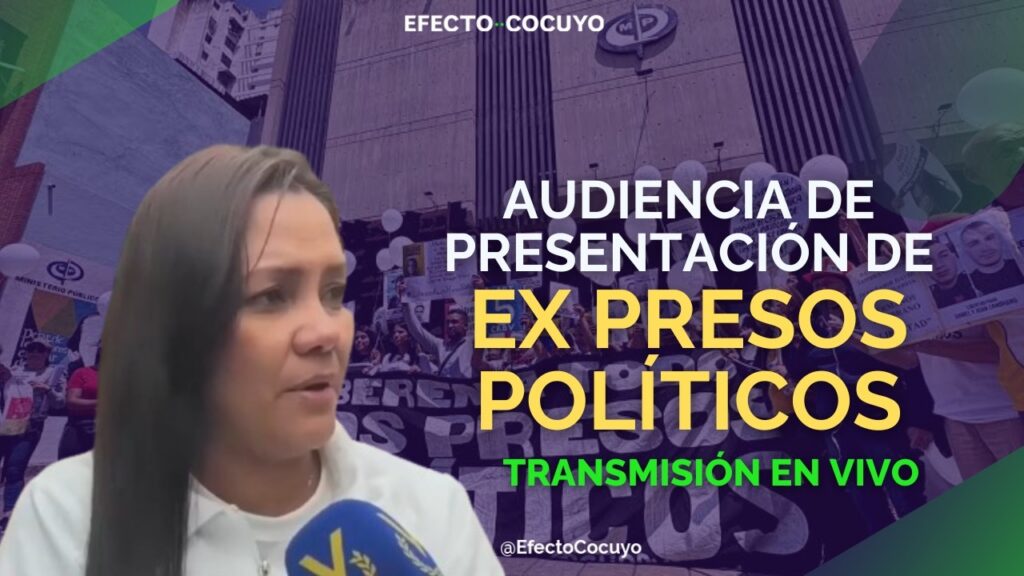
In this complex landscape, the journeys of these political prisoners illustrate a microcosm of the broader Venezuelan experience, fraught with challenges yet underscored by a persistent hope for genuine freedom and justice.
Editorial note: This article was created by A Bit Lavish Miami’s Magazine as an original editorial reinterpretation based on publicly available reporting. Original source: efectococuyo.com. Read the original article here: https://efectococuyo.com/la-humanidad/presos-politicos-recien-excarcelados-van-a-tribunales/.
Images are used for editorial reference with source credit. If an image requires correction or removal, please contact A Bit Lavish.




Former GOP Congressman David Rivera Sentenced to 10 Years for Illegal Lobbying Related to Venezuela
The sentencing of David Rivera marks a significant legal consequence for illicit...
 2 Mins read
Navigating the Complex Terrain of Venezuela’s Hate Law Reform
Amidst rising tensions and demands for reform, Venezuela's controversial Hate Law faces...
2 Mins read
The Unending Struggle: Political Prisoners in Venezuela
An exploration of the plight of political prisoners in Venezuela, focusing on...
2 Mins read
Former Congressman David Rivera Sentenced to 10 Years for Secret Lobbying Tied to Venezuela
David Rivera's sentencing marks a significant legal development with implications for U.S.-Venezuela...
1 Mins read