
Navigating Nature’s Fury: The Grand Canyon Flood and Its Implications
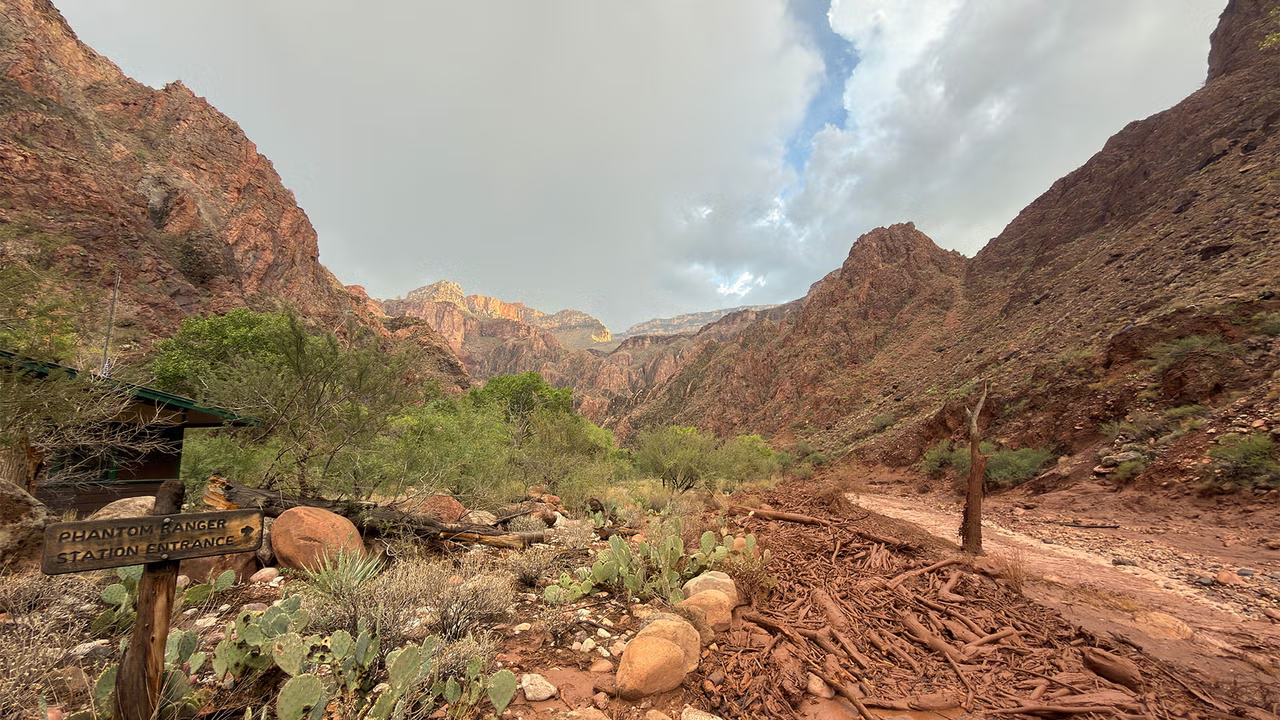
A Tragic Turn of Events
The recent flash flood at the Grand Canyon has highlighted not only the beauty of this natural wonder but also the inherent dangers that come with it. One individual lost his life, and around 15 others remain unaccounted for following a sudden deluge that wreaked havoc in the region. This devastating incident serves as a sobering reminder of nature’s unpredictability, especially during the summer months when the risk of flash floods escalates due to monsoon rains.
Evacuations and Emergency Response
The National Park Service (NPS) reported significant evacuations as over 60 individuals were airlifted from precarious situations along the canyon’s rugged terrain. The swift action of emergency services underscores a well-coordinated response in the face of natural calamities, yet it also raises questions about the adequacy of infrastructure within such popular tourist destinations.
Visitors to the Grand Canyon, a site that attracts approximately 6 million tourists annually, now face further complications. The flooding severely damaged the single water pipeline that supplies this essential resource to both residents and tourists, leading to urgent calls for water conservation amidst ongoing evacuations.
Infrastructure and Investment Challenges
The flooding’s impact extends beyond immediate safety concerns. The infrastructure that supports the park’s operations is now under scrutiny. Currently, the Grand Canyon is undergoing a significant $208 million rehabilitation project aimed at upgrading the water delivery system. This investment, though crucial, brings to light the challenges of maintaining such a vast and intricate network in the face of climate threats.
Experts like Jack Schmidt, director of the Center for Colorado River Studies, emphasize the financial hurdles of potential reconstruction efforts should the existing pipeline fail entirely. The pressing question remains: how can park services secure funding for restoration while ensuring the safety of both visitors and the environment?
The Changing Landscape of Visitor Experience
The flooding has transformed the very landscape that draws visitors to the Grand Canyon. Torrential rain not only altered the creek’s course but also created new hazards, such as landslides and debris flows. Popular destinations, including Bright Angel Campground and the historic Phantom Ranch, are now closed, prompting a re-evaluation of visitor safety protocols and the overall experience.
For those who were in the area during the flood, like hiker Erica Viola, the experience was harrowing. Witnessing the rising waters and debris rush by served as an unforgettable reminder of nature’s power. Such incidents may influence future tourist behavior, leading to a demand for enhanced safety measures and real-time updates about conditions in areas prone to flooding.
Weather Patterns and Future Preparedness
According to meteorological reports, the flooding was exacerbated by preceding rain systems that saturated the land, setting the stage for a rapid increase in water flow. National Weather Service meteorologists noted that the unique topography of the Grand Canyon contributes to the swift and dangerous accumulation of water during storms.
As climate change continues to alter weather patterns, parks like the Grand Canyon must adapt to the increasing frequency and intensity of such weather events. This adaptation could mean investing in advanced weather monitoring systems, improved emergency communication channels, and robust infrastructure that can withstand nature’s fury.
Lessons for Future Generations
The recent flooding serves as a critical lesson in risk management and infrastructure resilience. The Grand Canyon, a UNESCO World Heritage Site, is not only a testament to natural beauty but also a complex ecosystem requiring vigilant stewardship. As we reflect on this event, it becomes evident that both preservation and innovation must go hand in hand.
For Miami’s burgeoning business community, particularly in sectors like tourism and hospitality, the Grand Canyon’s experience can inform strategies for dealing with climate-induced challenges. Emphasizing sustainable practices and investing in technology can enhance resilience, ensuring that both visitors and residents can safely enjoy these natural treasures for generations to come.
Editorial note: This article was created by A Bit Lavish Miami’s Magazine as an original editorial reinterpretation based on publicly available reporting. Original source: fastcompany.com. Read the original article here: https://www.fastcompany.com/91598941/flash-flood-grand-canyon-leaves-1-dead-several-missing-national-park-service-says.
Images are used for editorial reference with source credit. If an image requires correction or removal, please contact A Bit Lavish.









India Faces Potential 50 Basis Points Rate Hike Amid Federal Reserve Tightening
As the U.S. Federal Reserve tightens its monetary policy, India may respond...
 2 Mins read

Federal Reserve Rate Hike: Implications for Inflation and Economic Stability
The Federal Reserve's recent rate hike raises questions about its effectiveness in...
2 Mins read

Houthis Claim Attacks on Riyadh, Triggering Stock Market Declines in Saudi Arabia and Qatar
The recent claims by the Houthis of attacks on Riyadh have led...
2 Mins read



Federal Reserve Implements Rate Hike Amid Persistent Inflation and Growth
The Federal Reserve's recent decision to raise interest rates underscores significant economic...
2 Mins read
