
Navigating New Waters: The Implications of the U.S.-Iran Accord
The Dawn of a New Accord
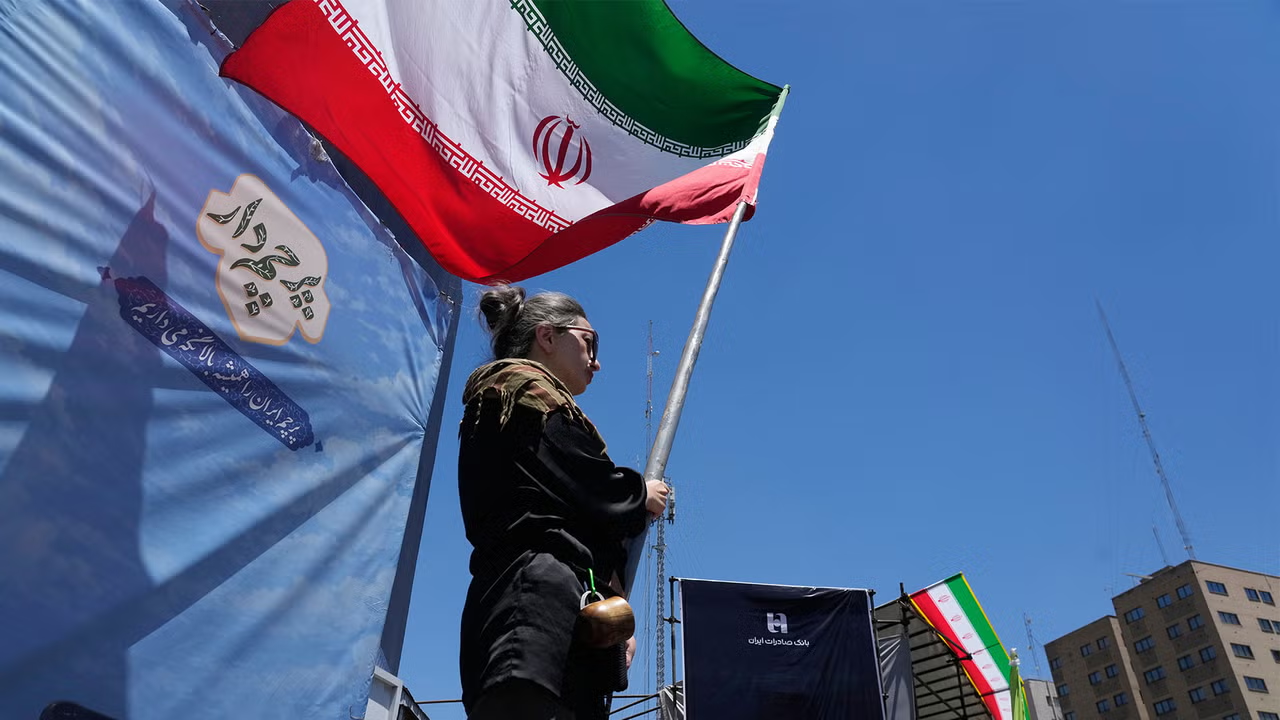
The recent unveiling of a tentative agreement between the United States and Iran marks a pivotal moment in international relations and economic strategy. With the promise of peace in the region, the deal is expected to have profound implications not only for the Middle East but also for global oil markets and the economy as a whole.
Restoring Economic Stability
At the heart of the new accord lies a commitment to reinstate free oil sales for Iran and to reopen the vital Strait of Hormuz. This narrow passage is crucial for the transportation of approximately one-fifth of the world’s oil and natural gas. Its closure during the ongoing conflict had triggered an unprecedented energy crisis, leading to soaring prices that affected everything from fuel to food. The reopening of this strait is thus anticipated to alleviate some of the economic burdens felt globally.
Key Concessions and Future Negotiations
The deal entails significant concessions from the U.S., including an immediate allowance for Iran to sell its oil without restrictions and a commitment of at least $300 billion aimed at rebuilding the war-torn nation. However, the lifting of sanctions and further financial relief hinges on the success of ongoing negotiations regarding Iran’s nuclear program. This dual approach—granting immediate benefits while negotiating future concessions—reflects a complex balancing act aimed at stabilizing the region while addressing international security concerns.
A Shift in Geopolitical Dynamics
As the U.S. embarks on this new diplomatic journey, the implications for regional actors cannot be understated. Israeli Prime Minister Benjamin Netanyahu, who has historically been averse to any form of rapprochement with Iran, faces domestic pressures and a potential diplomatic rift with the U.S. This emerging tension highlights the intricate web of alliances and oppositions that characterize Middle Eastern geopolitics. As Israel reassesses its security strategy in light of this accord, the role of U.S. support will be more critical than ever.
What Lies Ahead
The accord sets the stage for a 60-day negotiation period aimed at addressing Iran’s nuclear aspirations, a matter that has long been a point of contention. Iranian officials have reiterated their commitment to a peaceful nuclear program, but skepticism remains, particularly among Western allies. The coming weeks will be crucial in determining whether this tentative agreement can evolve into a lasting peace that satisfies all parties involved.
The Miami Connection
For Miami, a city that thrives on international trade and investment, the implications of this deal are particularly relevant. The reopening of the Strait of Hormuz could stabilize global oil prices, which would resonate across various sectors of the local economy—from real estate to tourism. Furthermore, as a hub for international business, Miami stands to gain from increased trade opportunities with Iran should sanctions be lifted. The city’s position as a gateway to Latin America could facilitate new economic partnerships, underscoring its significance in the global arena.
Editorial note: This article was created by A Bit Lavish Miami’s Magazine as an original editorial reinterpretation based on publicly available reporting. Original source: fastcompany.com. Read the original article here: https://www.fastcompany.com/91561057/leaked-documents-reveal-details-u-s-iran-deal-end-war.
Images are used for editorial reference with source credit. If an image requires correction or removal, please contact A Bit Lavish.








Guardians of Innovation: The Rising Tide of Security Workers in Silicon Valley
Explore the critical role of security workers in Silicon Valley's AI landscape...
 2 Mins read

The New Chapter in AI: How Book Acquisitions are Reshaping Language Models
Explore how AI companies are acquiring physical books to enhance training for...
2 Mins read

Reassessing the Impact of Cell Phone Bans in Schools: A Miami Perspective
Explore the nuanced effects of cell phone bans in schools, with insights...
2 Mins read
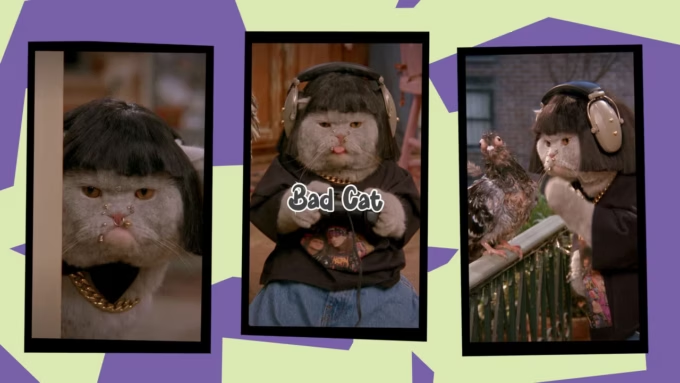


Navigating the AI-Infused Entertainment Landscape: The Rise of ‘Bad Cat’
Explore the intriguing intersection of AI and nostalgia in entertainment with the...
2 Mins read
