

The Intersection of Politics and Urban Mobility
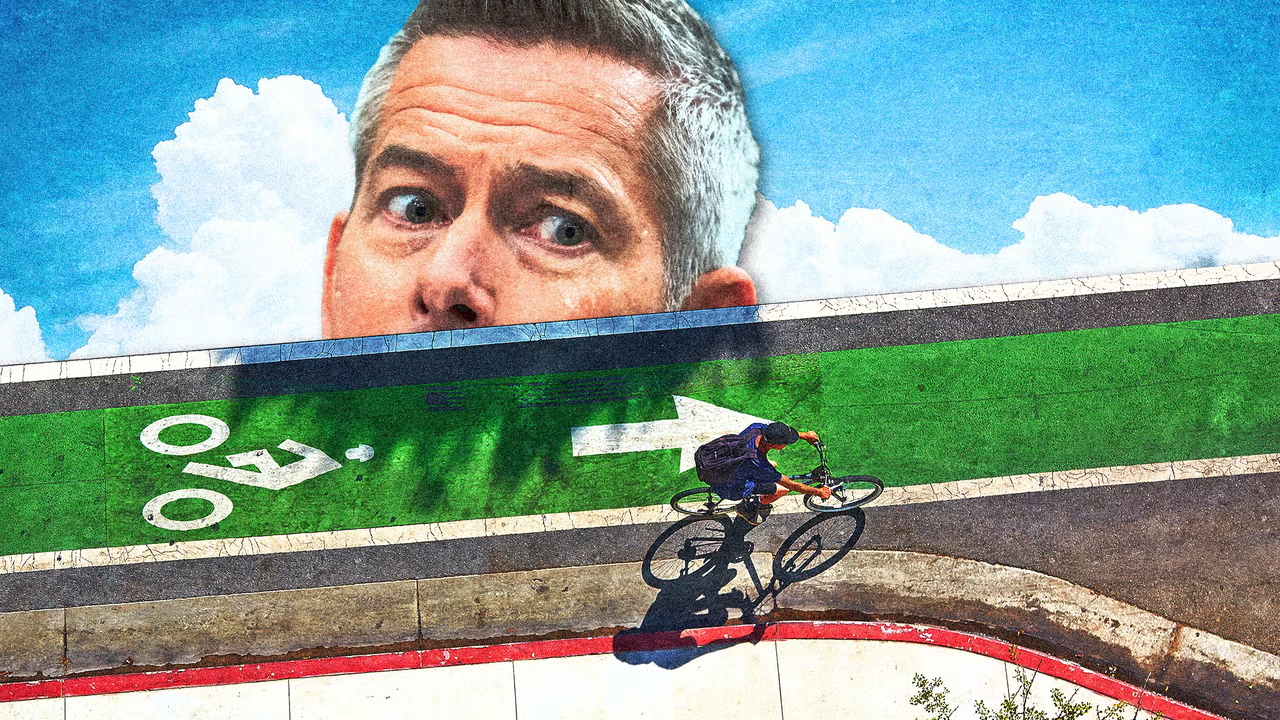
In an era marked by heightened political polarization, the dialogue surrounding urban transportation design has taken an unexpected turn, intertwining crucial infrastructure discussions with partisan rhetoric. Recent statements from the Department of Transportation, particularly from Secretary Sean Duffy, have reframed bike lanes and public transportation initiatives as mere components of a ‘diversity, equity, and inclusion’ agenda. This shift raises pertinent questions about the future of urban mobility in places like Miami, where the urban landscape is rapidly evolving.
Redefining Transportation Priorities
The current administration’s approach to transportation policy appears to prioritize motor vehicle traffic over alternative modes of transportation. In a letter addressing Congress, Duffy outlined a vision that advocates for reduced funding for bike lanes and public transport, suggesting these elements contribute to congestion rather than alleviating it. This perspective contradicts a growing body of research indicating that bike lanes can significantly enhance road safety and reduce traffic congestion.
Evidence Ignored: The Case for Bike Lanes
While Duffy’s assertions paint a troubling picture of bike lanes as inefficient, experts from the League of American Bicyclists argue otherwise. Evidence suggests that well-designed bike lanes can decrease crashes by as much as 49%, benefiting not only cyclists but motorists as well. In cities around the globe, the integration of bike lanes has been associated with safer and more navigable streets, a particularly pressing issue for urban centers like Miami that grapple with traffic congestion and safety.
Political Framing and Its Implications
Duffy’s rhetoric positions transportation as a culture war, attempting to polarize a subject that should serve all constituents, regardless of political affiliation. Highlighting bike infrastructure as ‘woke’ inadvertently alienates a significant portion of the population that relies on these transportation methods, especially in urban settings where commuting patterns differ markedly from rural areas. The implications of this framing are profound; it risks undermining public support for essential infrastructure that promotes safety and accessibility.
Miami’s Unique Urban Landscape
As one of the most dynamic cities in the U.S., Miami stands at a critical juncture in the conversation about urban transportation. With its vibrant cultural scene and rapidly growing population, the need for safe and efficient transit options is more pressing than ever. The city’s commitment to improving public transportation and cycling infrastructure aligns with the broader goals of enhancing urban mobility and sustainability. However, the current political climate poses challenges that could hinder these advancements.
Looking Ahead: The Future of Urban Transportation
With the expiration of the authorization for the Department of Transportation’s surface transportation funding approaching, stakeholders in urban development must act swiftly. The decisions made in the coming months will shape the landscape of American cities for years to come. In Miami, advocacy for bike lanes and public transportation enhancements must continue to push against the tide of political rhetoric that seeks to diminish their importance.
As the debate unfolds, community leaders and urban planners must focus on data-driven arguments that emphasize safety, efficiency, and public demand for more bikeable and walkable communities. Ultimately, the future of urban mobility depends on a collective commitment to prioritize the needs of all residents, transcending the divisive narratives that currently dominate the conversation.
Editorial note: This article was created by A Bit Lavish Miami’s Magazine as an original editorial reinterpretation based on publicly available reporting. Original source: fastcompany.com. Read the original article here: https://www.fastcompany.com/91581060/dei-bike-lanes.
Images are used for editorial reference with source credit. If an image requires correction or removal, please contact A Bit Lavish.





The Art of the Pitch: Why Personalized Decks Outshine AI Creations
Explore the significance of authentic pitch decks over AI-generated alternatives and discover...
 2 Mins read

Navigating the Job Market: Crafting Requests That Resonate
Discover effective strategies for reaching out to your network during a job...
2 Mins read

The Great Divide: Rethinking the Path for Working Mothers in Miami’s Corporate Landscape
Explore the persistent challenges facing working mothers in Miami's business scene, the...
2 Mins read



Taco Bell’s Nostalgic Revival: A Culinary Journey Back to 2016
Taco Bell taps into nostalgia with the return of beloved menu items...
3 Mins read
