
Navigating the Growing Tide of Food Safety Concerns: Kroger’s Salmonella Recall and Its Implications
A Rising Concern in the Grocery Sector
The grocery industry has witnessed significant transformations over the past few years, particularly regarding consumer health and safety. The recent recall of Kroger’s Homestyle Cheese Garlic Croutons due to potential Salmonella contamination underscores the critical need for rigorous food safety protocols. As consumer awareness grows, grocery giants like Kroger are compelled to navigate these waters carefully, balancing brand reputation with public health responsibilities.
The Recall: What Happened?
On May 18, Kroger was swept into the spotlight following a recall initiated by Sugar Foods LLC, the company responsible for producing the croutons. The recall was prompted by potential contamination linked to milk powder sourced from California Dairies, Inc. Though testing indicated that the affected batches were negative for Salmonella before use, Sugar Foods opted for a recall out of caution, highlighting the delicate balance between safety and public perception.
Consumer Awareness and Responsibility
In today’s marketplace, consumers are more vigilant than ever regarding the products they purchase. The presence of Salmonella can have dire health implications, especially for vulnerable populations such as young children, the elderly, and those with compromised immune systems. The symptoms—abdominal pain, diarrhea, fever, nausea, and vomiting—serve as a stark reminder of why food safety is paramount.
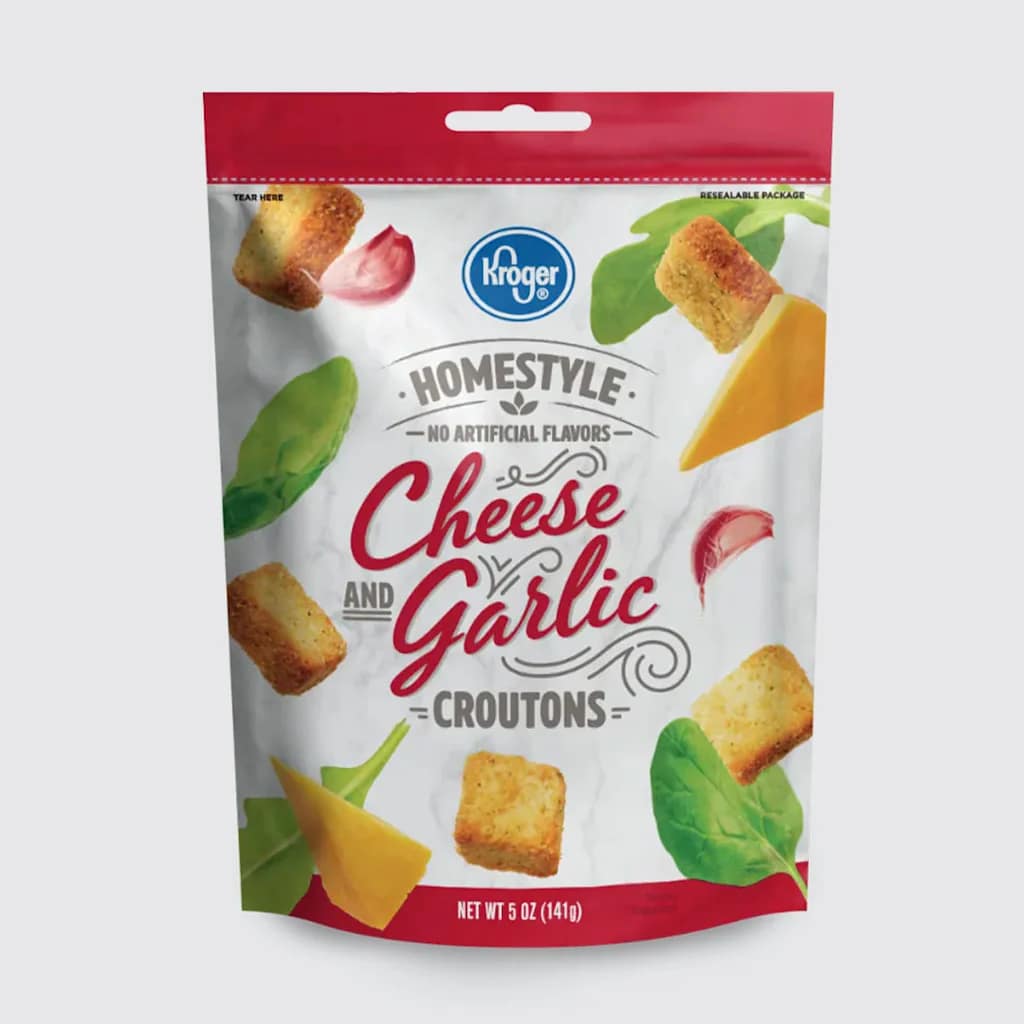
For those who may have purchased the affected 5 oz Kroger Homestyle Cheese Garlic Croutons, it is advisable to dispose of them and contact Sugar Foods for further information. This proactive approach not only protects individual health but also contributes to a collective effort toward improved food safety standards.
The Broader Context: Industry-Wide Implications
This incident is part of a larger trend affecting various food brands, including notable recalls from Ghirardelli Chocolate Company and Utz Quality Foods, both tied to Salmonella concerns. These recalls reflect a growing awareness within the industry regarding the complexities of food supply chains and the potential for contamination at multiple points in production.
- Grocery giants must respond: As consumer expectations rise, companies are increasingly held accountable for the safety of their products. This trend is not just about compliance but also about fostering trust and transparency with consumers.
- Supply chain scrutiny: The incident highlights the importance of rigorous supplier evaluations and quality control measures to prevent future occurrences. Companies must evaluate their sourcing practices to ensure the integrity of their ingredients.
- Regulatory landscape: The FDA’s role in overseeing food safety remains crucial. As recalls become more frequent, the regulatory framework may evolve to impose stricter guidelines on food manufacturers, prompting a shift in industry standards.
Miami’s Grocery Landscape: A Local Perspective
In Miami, where diverse culinary traditions flourish, the implications of such recalls are particularly salient. Local grocery stores and markets must navigate the fine line between offering a wide variety of products and ensuring the safety and well-being of their customers. The city’s unique demographic and cultural landscape means that consumers rely heavily on local grocery stores, making brand loyalty even more critical.
As Miami’s residents become increasingly health-conscious, the demand for transparency in food sourcing and safety is likely to escalate. Grocery chains operating in the area must take these concerns seriously, adapting their strategies to meet the evolving expectations of consumers.
Looking Ahead: Building a Culture of Safety
While the recent recall serves as a cautionary tale, it also presents an opportunity for grocery brands to innovate and enhance their food safety protocols. By investing in technology and practices that enable real-time monitoring of supply chains, companies can better safeguard against contamination risks.
Furthermore, fostering a culture of safety within organizations is essential for long-term success. Training employees on food safety standards and encouraging open communication about potential risks can significantly reduce the likelihood of future recalls.
In an era where consumers demand more from brands, those that prioritize safety and transparency will not only protect their consumers but also solidify their position in an increasingly competitive market.
Editorial note: This article was created by A Bit Lavish Miami’s Magazine as an original editorial reinterpretation based on publicly available reporting. Original source: fastcompany.com. Read the original article here: https://www.fastcompany.com/91544644/kroger-gets-swept-up-in-the-growing-wave-of-salmonella-snack-food-recalls-avoid-this-product-sold-in-17-states.
Images are used for editorial reference with source credit. If an image requires correction or removal, please contact A Bit Lavish.










Oral Sunscreen Pills Surge in Popularity Amid Health Debates
The rise of oral sunscreen pills on social media raises critical questions...
 1 Mins read

Exploring the Impact of Cross-Genre TV Collaborations on Global Entertainment Trends
Crossovers redefine storytelling in television, influencing cultural dialogues and viewer engagement worldwide.
1 Mins read
Mets and Brewers Compete in High-Stakes MLB Showdown
The outcome of this game could influence playoff standings, impacting teams and...
1 Mins read



Boston Red Sox Consider Acquisition of Francisco Lindor
The potential acquisition of Francisco Lindor by the Boston Red Sox signifies...
1 Mins read