
Navigating the Housing Landscape: Insights from Tri Pointe’s CEO Doug Bauer
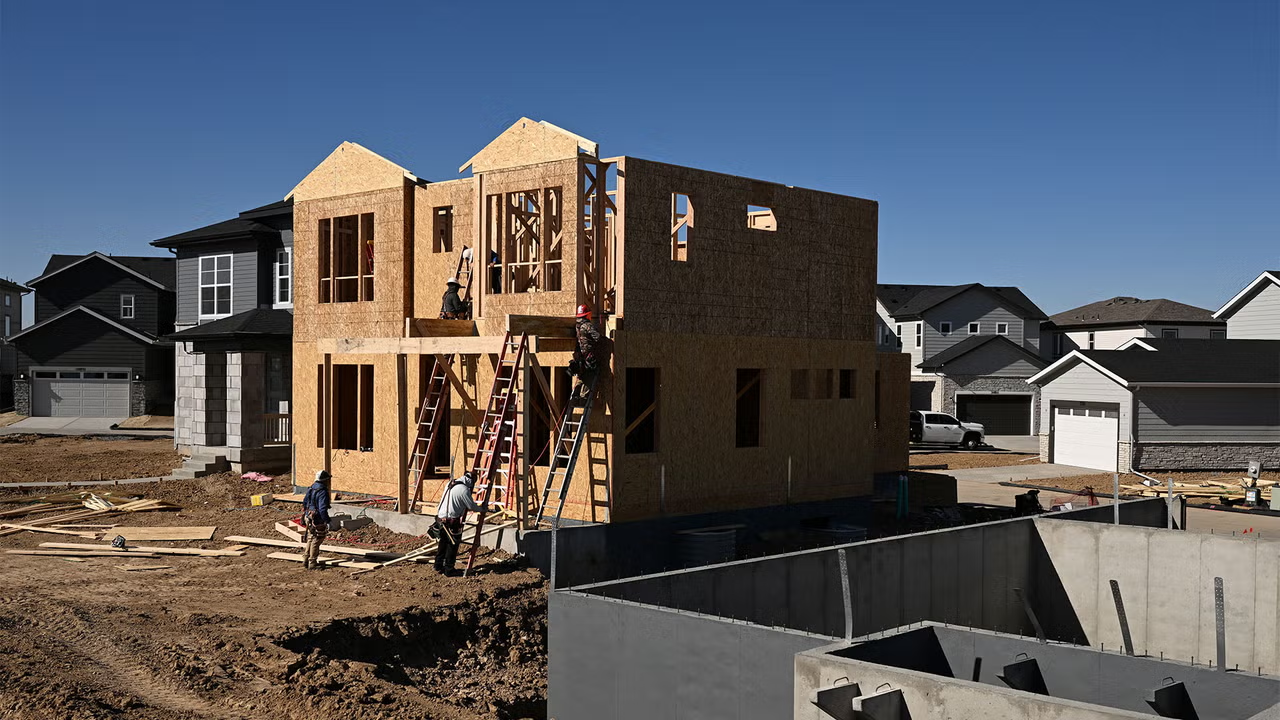
The Changing Narrative of Home Affordability
In the fluid landscape of the U.S. housing market, few voices resonate as clearly as that of Doug Bauer, CEO of Tri Pointe Homes, the nation’s 19th largest homebuilder. With a keen analytical eye, Bauer challenges the prevailing narratives surrounding affordability and demand, suggesting that the current softness in home sales is less about pricing and more about consumer confidence.
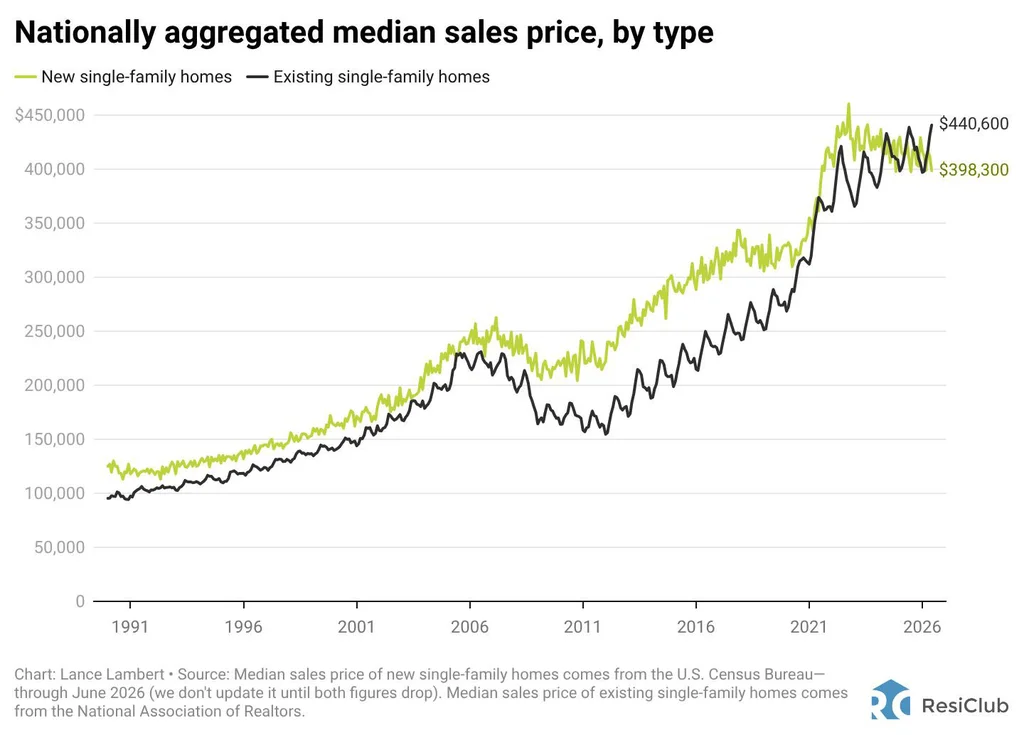
Bauer posits that while home prices have indeed adjusted from their pandemic peaks, the true barrier for potential buyers lies in a lack of confidence. He argues, “They [buyers] have a confidence problem,” a sentiment that reflects broader economic uncertainties, including fluctuations in oil prices and geopolitical tensions that have led to increased costs in everyday living.
A Deeper Dive into Pricing Dynamics
Tri Pointe’s approach to pricing reveals a nuanced understanding of market conditions. Bauer emphasizes the importance of net effective pricing, which includes various incentives offered to buyers, rather than focusing solely on list prices. He estimates that net effective home prices in Tri Pointe’s key markets have fallen by 5% to 10% from the heights of the pandemic, with even steeper declines in less competitive markets.
This strategy of offering substantial incentives—a practice that involves design discounts and financing credits—allows Tri Pointe to maintain its competitive edge while protecting profit margins. Bauer’s distinction between Tri Pointe and larger-volume builders highlights a strategic commitment to both quality and profitability.
Market Resilience Amidst Challenges
Despite the challenges, Bauer remains optimistic about the housing market’s long-term viability. He underlines the importance of job growth and consumer confidence as primary drivers of housing demand, rather than fluctuating interest rates. As he notes, “What drives housing is jobs. Consumer confidence is the primary driver.” This perspective is particularly relevant for Miami, where the job market is bolstered by a diverse economy and a growing tech sector.
The Shift to Private Ownership
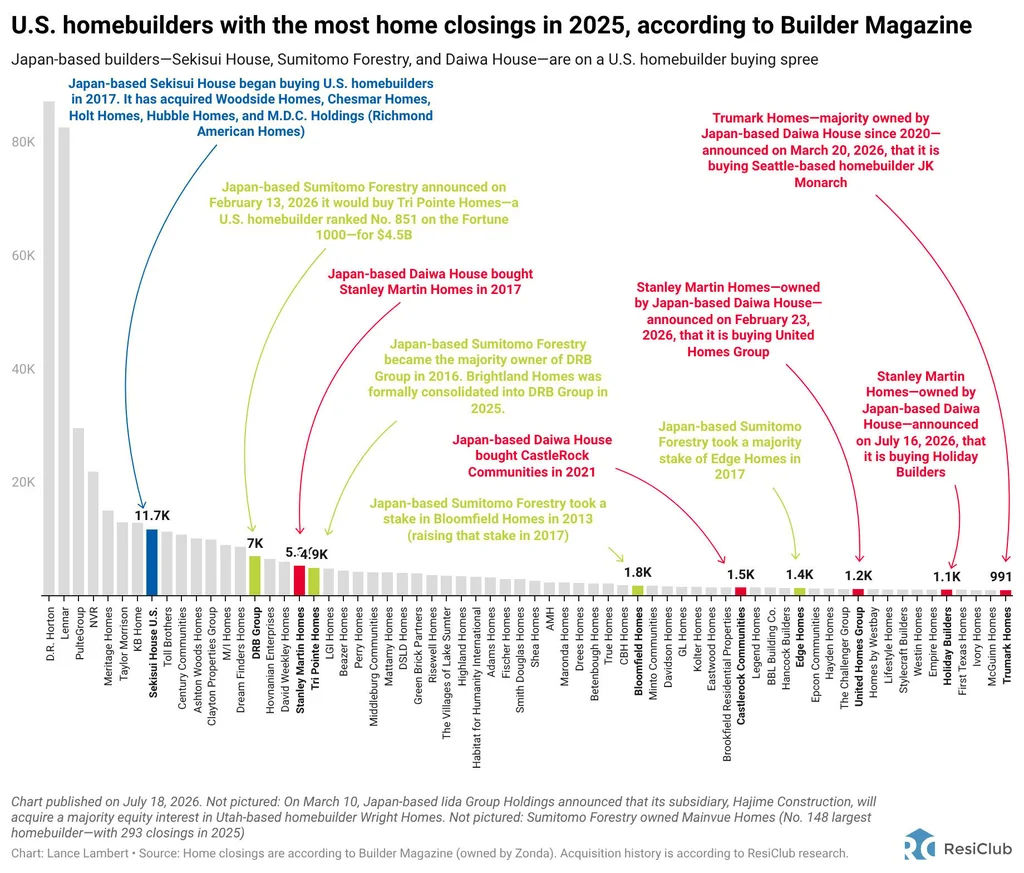
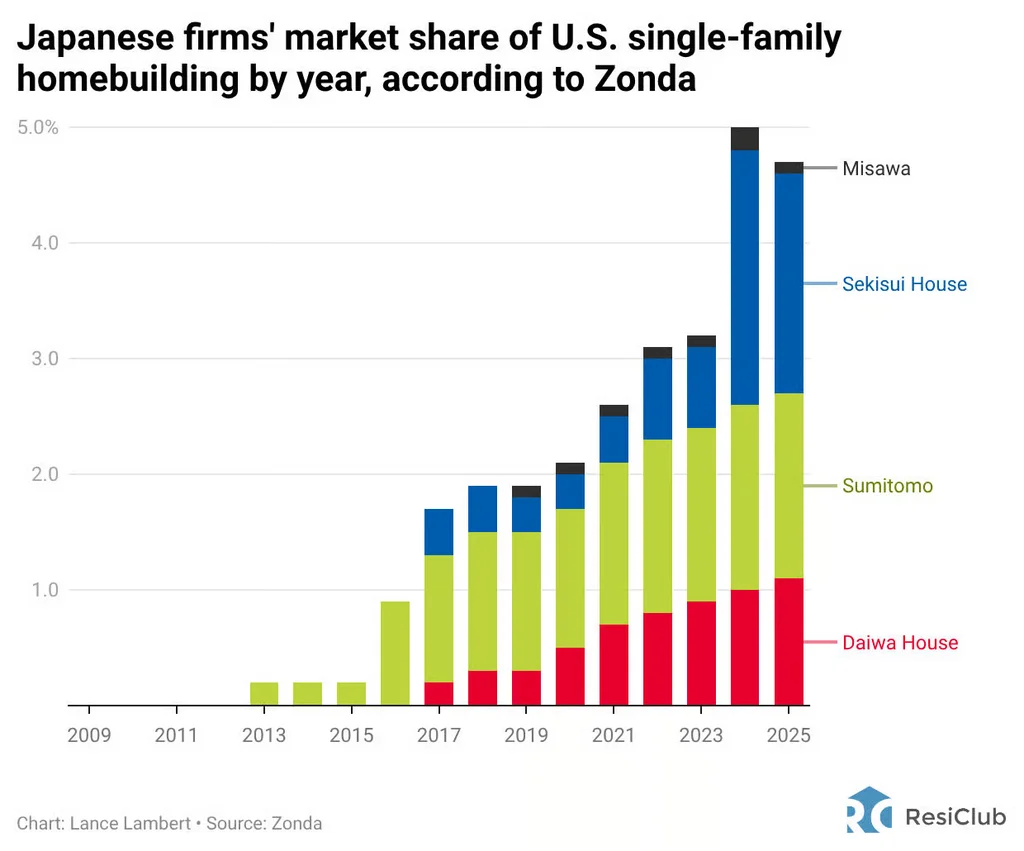
Tri Pointe’s recent acquisition by Japan’s Sumitomo Forestry marks a pivotal shift in its operational strategy. This $4.5 billion deal, which took Tri Pointe private, reflects a broader trend in the homebuilding sector where long-term investment perspectives are becoming more favorable than the short-term pressures of public markets. Bauer believes that this change allows Tri Pointe to focus on growth without the constraints of quarterly financial reporting.
He explains, “The frustration with public-market scrutiny… homebuilding is a fundamentally long-cycle business poorly suited to quarterly reporting.” This sentiment resonates in the current market environment, where many builders are reevaluating their strategies to align with sustainable growth trajectories.
Strategic Insights for Future Growth
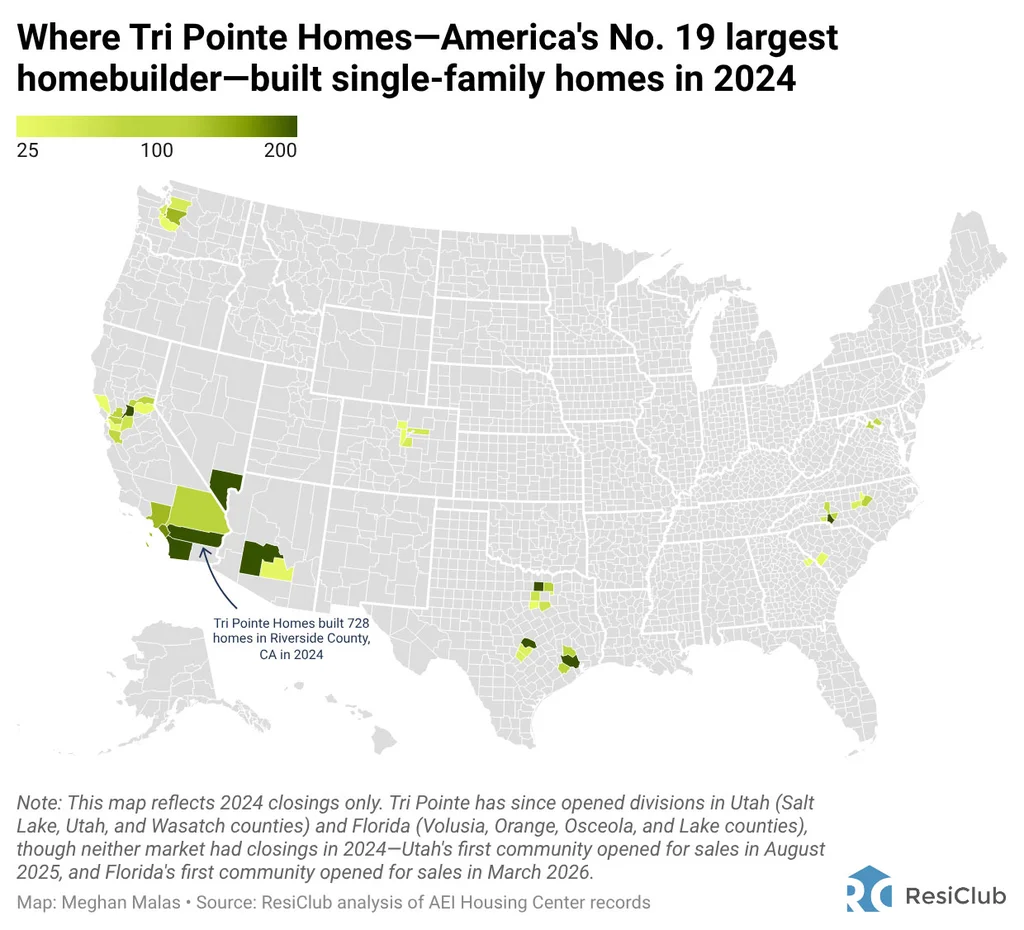
Looking ahead, Bauer is enthusiastic about Tri Pointe’s potential for growth, aiming to increase annual deliveries significantly by 2030. His confidence in markets like Austin, Texas—despite short-term fluctuations—demonstrates a forward-looking approach. He cites strong local leadership and ongoing land acquisitions in core areas as crucial components of this strategy.
Moreover, Bauer’s insights into the broader implications of Japanese investments in U.S. homebuilding highlight a growing interest in the sector from overseas players seeking stable growth opportunities in a fluctuating global economy. He anticipates that this trend will continue to shape the landscape of American homebuilding, drawing both strategic and patient capital to the forefront.
The Future of Homebuilding
As Bauer articulates, the demand for housing remains a fundamental necessity that transcends economic fluctuations. He succinctly states, “Food, water, and shelter—the most important things in life. It’s never going to go away.” This belief not only underscores the intrinsic value of homeownership but also reinforces the role of homebuilders as key players in addressing the ongoing housing challenges faced by many communities, including those in Miami.
In navigating these complexities, Tri Pointe under Bauer’s leadership exemplifies a blend of strategic foresight and adaptability, positioning itself to thrive in a dynamic market landscape while remaining attentive to the needs of consumers.
Editorial note: This article was created by A Bit Lavish Miami’s Magazine as an original editorial reinterpretation based on publicly available reporting. Original source: fastcompany.com. Read the original article here: https://www.fastcompany.com/91580375/housing-market-tri-pointe-homebuilding-home-prices-sun-belt.
Images are used for editorial reference with source credit. If an image requires correction or removal, please contact A Bit Lavish.






The Art of the Pitch: Why Personalized Decks Outshine AI Creations
Explore the significance of authentic pitch decks over AI-generated alternatives and discover...
 2 Mins read

Navigating the Job Market: Crafting Requests That Resonate
Discover effective strategies for reaching out to your network during a job...
2 Mins read

The Great Divide: Rethinking the Path for Working Mothers in Miami’s Corporate Landscape
Explore the persistent challenges facing working mothers in Miami's business scene, the...
2 Mins read



Taco Bell’s Nostalgic Revival: A Culinary Journey Back to 2016
Taco Bell taps into nostalgia with the return of beloved menu items...
3 Mins read
