
Navigating the Rising Tides: Transportation Costs in Venezuela
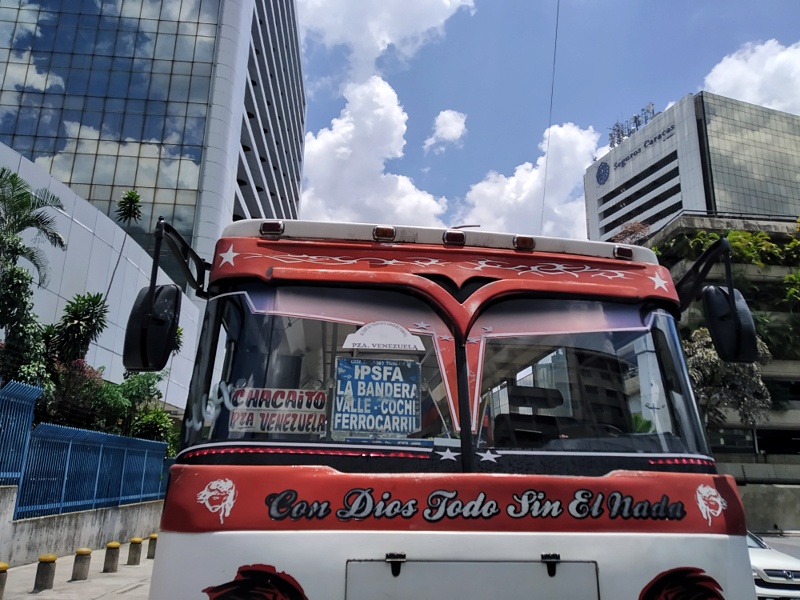
Shifting Sands of Fare Adjustments
As Venezuela grapples with economic fluctuations, the transportation sector finds itself at a pivotal crossroads. Starting August 1st, the minimum urban fare will surge to 190 bolívares, marking a significant increase from the previous rate of approximately 140 bolívares. This adjustment comes in the wake of a decision by transport leaders to momentarily halt fare hikes in July, demonstrating a temporary act of solidarity during a national emergency caused by severe seismic events.
Contextualizing the Increase
The latest fare increase stems from a long-term agreement struck in May between the national government and transportation representatives. This accord established a fare indexation scheme tied to the official exchange rate set by the Central Bank of Venezuela (BCV). With the bolívar’s continued devaluation—reportedly declining 20% in July—the new fare reflects a necessary response to the economic environment, as transport officials like José Luis Trocel and Nelson Vivas advocate for sustainability in the sector.
Economic Implications for Commuters
The implications of this fare hike extend beyond mere numbers. At 190 bolívares, the cost of a single short trip now surpasses the minimum wage and pension allowances, both of which remain stagnant at 130 bolívares per month. For many Venezuelans, this increase poses a significant burden, particularly for those who rely on multiple daily trips to fulfill work and personal commitments. The situation raises pressing questions about the balance between operational viability for transport providers and the financial realities confronting everyday commuters.
Special Considerations for Vulnerable Groups
Despite the increase, there are still provisions in place to support vulnerable populations. Students can benefit from a half-fare ticket priced at 95 bolívares, provided they present a uniform or identification card. Furthermore, adults over the age of 60 and individuals with disabilities continue to enjoy free transportation, underscoring the importance of accessibility in public transport systems amid rising costs.
A Glimpse into the Future
The fare adjustment is not merely a one-off occurrence; it signals a potentially ongoing trend as the monthly indexation mechanism remains active. This means that, depending on the fluctuations of the official dollar rate, further fare changes could be anticipated as early as September. Commuters and transport operators alike must stay vigilant as they navigate this unpredictable landscape.
The Broader Economic Landscape
For those observing from Miami and similar urban environments, the situation in Venezuela serves as a cautionary tale about the fragility of economic systems in the face of external and internal pressures. As Venezuela’s transport sector struggles with fare increases that reflect broader economic instability, it highlights the importance of sustainable policies that consider the livelihoods of citizens amidst a challenging financial climate.
Editorial note: This article was created by A Bit Lavish Miami’s Magazine as an original editorial reinterpretation based on publicly available reporting. Original source: efectococuyo.com. Read the original article here: https://efectococuyo.com/la-humanidad/pasaje-minimo-sube-a-190-bolivares-a-partir-del-1-de-agosto/.
Images are used for editorial reference with source credit. If an image requires correction or removal, please contact A Bit Lavish.




Venezuela Denies Seeking Immunity for Nicolás Maduro Amid U.S. Legal Concerns
Venezuela's government has officially confirmed that it did not seek Nicolás Maduro's...
 1 Mins read
The Return of María Corina Machado: A New Chapter for Venezuela?
Exploring the implications of María Corina Machado's anticipated return to Venezuela amidst...
2 Mins read
Navigating Pragmatism: Brazil’s Political Shift and Its Implications for Venezuela
Explore the evolving political landscape in Brazil and its potential effects on...
2 Mins read
Venezuela’s National Assembly Launches Special Commission to Reform Law Against Hate
The Venezuelan National Assembly has initiated a special commission aimed at reforming...
2 Mins read