
Navigating the Waters of Artistic Collaboration: The Tale of a Viking Ship and Hollywood Dreams

From Sweden to the Silver Screen
In an intriguing intersection of cultural heritage and cinematic storytelling, the Värmlands Vikingacenter in Sweden has found itself at the center of a controversy that raises questions about the responsibilities inherent in artistic collaborations. The Viking ship, a meticulously crafted replica representing the maritime prowess of the Norse, was loaned to Universal Studios for a film production, ‘The Odyssey’. However, this partnership has recently been marred by allegations of unpaid damages, drawing attention not only to the ship’s significance but also to the fragile nature of cultural exchanges.
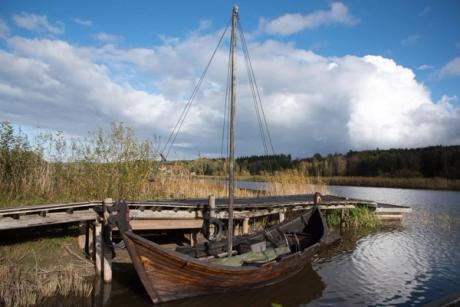
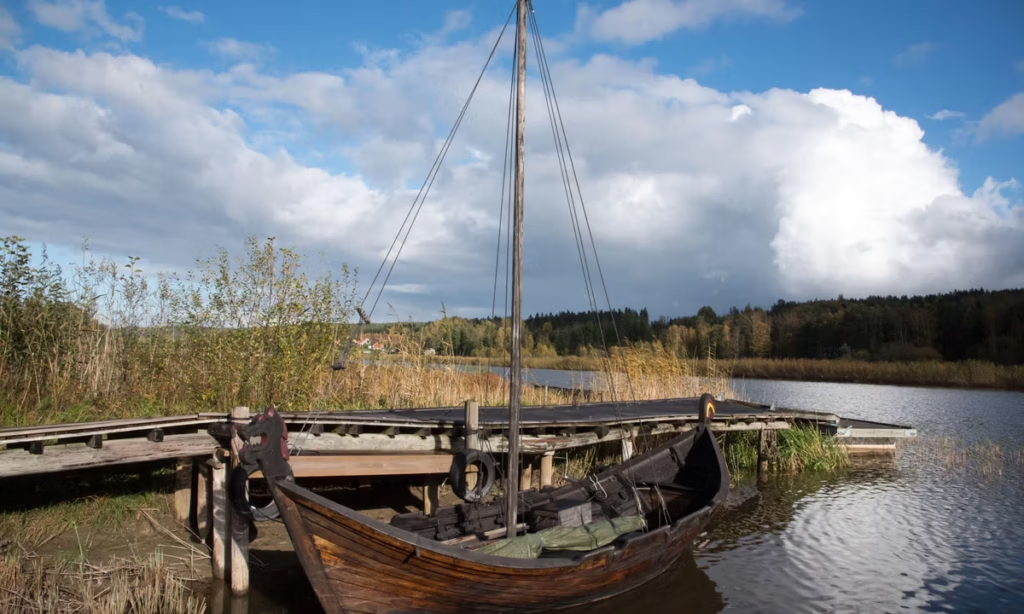
The Viking ship, an embodiment of centuries-old craftsmanship, was expected to sail the waters of the summer season in Sweden. Yet, the vessel remains docked, its sails furled, as it faces reported damages amounting to $6,000. This predicament not only hampers the center’s ability to showcase its cultural treasure but also highlights the complexities involved in such high-stakes collaborations between cultural institutions and major film studios.
The Price of Cultural Exchange
The Värmlands Vikingacenter, committed to preserving and promoting Viking heritage, found itself in a position that many cultural organizations navigate when engaging with commercial entities. Loaning artifacts or replicas for film and television can provide invaluable exposure and funding opportunities. However, the expectation that these partnerships will be mutually beneficial often leads to disputes when things go awry.
Universal Studios, a titan of the entertainment industry, has publicly disputed the claims of unpaid reparations. Such disputes raise important questions about accountability and the ethics of cultural exchange. How do we value the labor and craftsmanship that goes into creating a piece of history, particularly when it is put to use in a commercial context? The answer is complex, often entangled in legalities and market perceptions.
A Vessel of Legacy and Artistry
The replica Viking ship is not merely a prop but a representation of an entire cultural narrative. Each plank tells a story, each sail holds whispers of voyages across uncharted waters. For collectors and cultural enthusiasts, the material significance of such vessels cannot be overstated. They embody a legacy that transcends time and geography, serving as a reminder of human ingenuity and the shared past of civilizations.
For the Värmlands Vikingacenter, the ship is a focal point of its mission. It is a tangible connection to the Viking Age, a period that continues to capture the imagination of historians and the general public alike. The ship’s journey from the serenity of Sweden to the bustling sets of Hollywood encapsulates a fascinating dialogue about how history can be reinterpreted and repackaged for contemporary audiences.
Artistic Responsibility in the Age of Commerce
As the worlds of art and commerce increasingly intersect, the responsibilities of both parties must be clearly defined and upheld. The situation involving Universal and the Värmlands Vikingacenter serves as a poignant reminder of the need for transparency and accountability. For cultural institutions, ensuring that their artifacts are treated with the respect they deserve is paramount, particularly when they are being showcased to a global audience.
Moreover, this incident emphasizes the importance of clear contractual agreements that outline the responsibilities of each party involved. Such agreements can help mitigate misunderstandings and protect the interests of cultural institutions. After all, the preservation of history and heritage is not just a noble pursuit but a delicate one that requires careful stewardship.
The Bigger Picture: Cultural Heritage Meets Modern Media
In a world where stories are increasingly told through the lens of modern media, the role of cultural artifacts is more significant than ever. They serve as both inspiration and backdrop for narratives that shape our understanding of history. The partnership between the Värmlands Vikingacenter and Universal Studios could have been a symbiotic relationship, fostering a deeper appreciation for Viking culture among audiences worldwide.
However, as evidenced by this ongoing dispute, it is crucial for cultural institutions to navigate these waters with foresight and prudence. The implications of such partnerships extend beyond monetary compensation, touching upon the very essence of what it means to honor and celebrate our shared heritage.
As Miami continues to position itself as a cultural hub, the lessons learned from the Värmlands Vikingacenter’s experience resonate deeply within our local art and cultural scenes. The interplay between art, commerce, and cultural preservation is a dance that demands respect, clarity, and mutual understanding.
Editorial note: This article was created by A Bit Lavish Miami’s Magazine as an original editorial reinterpretation based on publicly available reporting. Original source: theartnewspaper.com. Read the original article here: https://www.theartnewspaper.com/2026/07/24/swedish-viking-centre-that-loaned-ship-for-the-odyssey-alleges-that-it-has-not-been-paid-for-damages.
Images are used for editorial reference with source credit. If an image requires correction or removal, please contact A Bit Lavish.









A Triumphant Return: Masterpieces Reclaimed from the Shadows
Explore the fascinating story behind the recovery of stolen masterpieces by Cezanne,...
 ABL2 Mins read

A New Chapter in Curatorial Leadership: Martin Clark’s Transition to Towner Eastbourne
Explore the significance of Martin Clark's new role at Towner Eastbourne and...
 2 Mins read

The Enigma of Vincent: Unraveling Van Gogh’s Signature Style
Explore the intriguing motivations behind Vincent van Gogh's choice of signature and...
2 Mins read



Exploring the Digital Renaissance: Venice Biennale’s Bold Embrace of Digital Art
Uncover the transformative power of digital art showcased at the Venice Biennale,...
2 Mins read
