
Navigating the Waters of Bankruptcy: A Miami Firm’s Legal Struggle Over New Orleans Housing

Legal Turbulence in the Real Estate Sector
The intricate web of real estate development often encounters unforeseen challenges, particularly when public interests and private investments collide. A recent case has emerged from Miami that highlights these complexities, involving Granaio LLC, a firm entangled in a protracted battle over a vacant affordable housing complex in New Orleans.
Chapter 11: A Strategic Move
On June 24, Granaio LLC initiated Chapter 11 bankruptcy proceedings in federal court in Miami, marking a significant turn in its ongoing dispute with the City of New Orleans. The company, led by Joshua Bruno, reported assets totaling $37 million against liabilities of $19 million. This legal maneuver aims to halt what Granaio alleges was the city’s unauthorized demolition of its DeGaulle Manor property, located at 3010 Sandra Drive, a site that symbolizes the challenges facing urban redevelopment.
Understanding the Asset-Liability Landscape
The figures presented in the bankruptcy filing underscore the precarious position of Granaio LLC. With a substantial asset base, the firm nonetheless faces significant liabilities that have prompted its legal recourse. This situation serves as a stark reminder of the financial risks inherent in real estate ventures, particularly in urban areas where regulatory, social, and market forces intersect.
Urban Redevelopment: A Double-Edged Sword
The case of Granaio LLC sheds light on the broader issues surrounding urban redevelopment, especially in cities like New Orleans, where the legacy of affordable housing is fraught with challenges. As municipalities grapple with the need for revitalization, the tension between maintaining existing affordable housing and pursuing new development often leads to conflicts. Developers may find themselves at odds with local governments, particularly when regulations and community needs are perceived to be at odds with profit motives.
The Implications for Miami’s Real Estate Landscape
For Miami, a city characterized by its dynamic real estate market, this situation raises essential questions about the future of investment and development. As a hub for private wealth and architectural innovation, Miami’s real estate landscape is influenced by external factors, including legal practices and urban policies from other regions. The bankruptcy of a Miami-based firm over a New Orleans property could serve as a cautionary tale for investors navigating similar waters elsewhere.
Learning from Legal Battles
As the real estate sector continues to evolve, stakeholders must remain vigilant about the legal frameworks governing their investments. The Granaio LLC case illustrates the potential for legal disputes to disrupt business operations and affect broader market conditions. Investors and developers are encouraged to conduct thorough due diligence, understanding not only the financial metrics of their ventures but also the regulatory landscapes that govern them.
Conclusion: The Ongoing Story of Real Estate
The narrative surrounding Granaio LLC is not just about bankruptcy; it is a reflection of the broader themes of urban development, regulatory challenges, and financial management. As Miami continues to attract investment and innovation, the lessons learned from this case will resonate across the real estate sector, reminding all participants of the intricate dance between opportunity and risk.
Editorial note: This article was created by A Bit Lavish Miami’s Magazine as an original editorial reinterpretation based on publicly available reporting. Original source: therealdeal.com. Read the original article here: https://therealdeal.com/miami/2026/07/02/new-orleans-affordable-landlord-seeks-bankruptcy-in-miami/.
Images are used for editorial reference with source credit. If an image requires correction or removal, please contact A Bit Lavish.










A Strategic Move: Phoenix Realty’s $65M Acquisition in South Miami-Dade
Explore Phoenix Realty's recent acquisition of the Bay Pointe Apartments, a strategic...
 2 Mins read
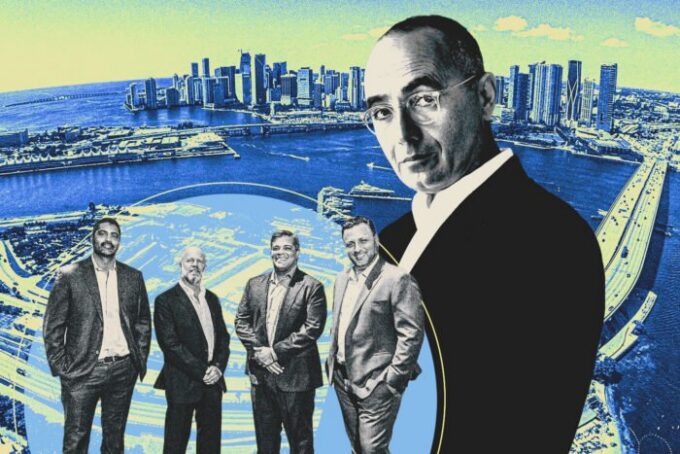
A New Horizon on Watson Island: Fort Partners Joins Forces for a Transformative Miami Development
Explore the latest partnership between Fort Partners, BH3 Management, and Merrimac Ventures,...
2 Mins read

Behind the Curtain: A Deep Dive into Miami’s $6 Million Condo Association Fraud
Explore the intricate web of a recent condo association fraud in Miami,...
2 Mins read



The Intersection of Real Estate and Justice: A Troubling Case in Coral Springs
Exploring the implications of a self-defense claim in a tragic real estate...
2 Mins read
