
Navigating Turbulence: The Future of Contemporary Art Institutions
Unfolding Challenges in the Art World
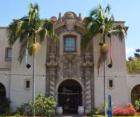
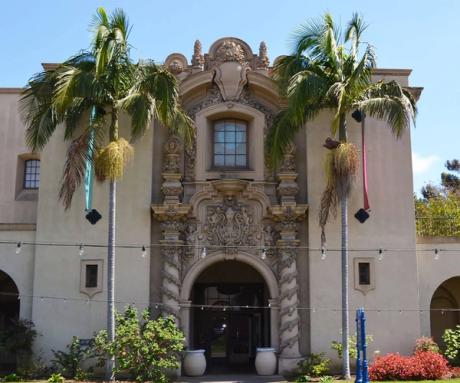
The landscape of contemporary art is continuously evolving, reflecting not only the creative endeavors of artists but also the complex dynamics of the institutions that support them. Recent developments at the Institute of Contemporary Art (ICA) in San Diego have illuminated some pressing issues that many art institutions face today. With significant staff layoffs and a shuttered main campus, the ICA is navigating a storm that could reshape its future and influence the broader art community.
A Shift in Leadership and Vision
Leadership plays a pivotal role in the success of art institutions, serving as the heartbeat of their mission and vision. As the ICA grapples with calls for a change in direction, the conversation around effective leadership is more relevant than ever. The recent upheaval has sparked discussions about the qualities that make for a successful director in today’s art world, where resilience, adaptability, and a deep understanding of community dynamics are paramount.
The Financial Landscape of Art Institutions
Financial sustainability is a cornerstone for any cultural institution, but for many, it remains a precarious balancing act. The ICA’s recent layoffs—affecting nearly half of its staff—underscore the pressing financial realities that many museums encounter. Art institutions often rely on a mix of public funding, private donations, and ticket sales, all of which can be impacted by economic fluctuations. In this context, the ICA serves as a case study for the need for innovative financial strategies that ensure long-term viability without compromising the institution’s mission.
The Role of Community in Art Institutions
Art institutions do not exist in a vacuum; they thrive on community engagement and support. The ICA’s recent struggles have ignited conversations about how art organizations can better connect with their local audiences. A strong community relationship can not only bolster financial support but also enrich the cultural dialogue that institutions strive to foster. As the ICA re-evaluates its approach, it has the opportunity to re-engage its audience through innovative programming and outreach initiatives that resonate with the community’s interests and needs.
Provenance and Rarity in the Contemporary Market
As contemporary art continues to gain traction in the investment landscape, the importance of provenance in the art market cannot be overstated. Collectors increasingly seek works that come with a rich narrative and documented history. In the midst of institutional crises, the question of how institutions curate and display works becomes crucial. By emphasizing the unique stories behind the artworks and their creators, institutions can elevate their offerings and enhance their market significance, attracting collectors who appreciate both rarity and provenance.
A Path Forward: Reimagining Institutions
The challenges faced by the ICA are not unique but rather reflective of a broader trend within the art world. As institutions navigate financial and leadership uncertainties, the opportunity exists to reassess their roles and redefine their futures. Embracing innovative approaches to curation, community engagement, and financial planning can pave the way for a more sustainable model. In doing so, institutions can reaffirm their commitment to fostering creativity while adapting to the ever-changing landscape of contemporary art.
Editorial note: This article was created by A Bit Lavish Miami’s Magazine as an original editorial reinterpretation based on publicly available reporting. Original source: theartnewspaper.com. Read the original article here: https://www.theartnewspaper.com/2026/09/01/institute-contemporary-art-san-diego-financial-leadership-crisis-layoffs.
Images are used for editorial reference with source credit. If an image requires correction or removal, please contact A Bit Lavish.



A Celebration of Heritage: The Ukrainian Museum’s 50th Anniversary and Its Artistic Tribute
Explore the Ukrainian Museum in New York's 50th anniversary, highlighting an artistic...
 ABL2 Mins read
A Call to Action: The Whitney Museum Workers Stand for Change
Exploring the implications of the Whitney Museum workers' decision to strike, we...
 2 Mins read
Navigating the Waters of Art Restitution: A California Test Case
Exploring the implications of recent lawsuits concerning Nazi-looted art and the potential...
2 Mins read
A New Era at the Vancouver Art Gallery: Co-Leadership and Vision
Explore the transformative leadership of Eva Respini and Sirish Rao at the...
3 Mins read