

Voices of Dissent in Venezuela’s Oil Landscape
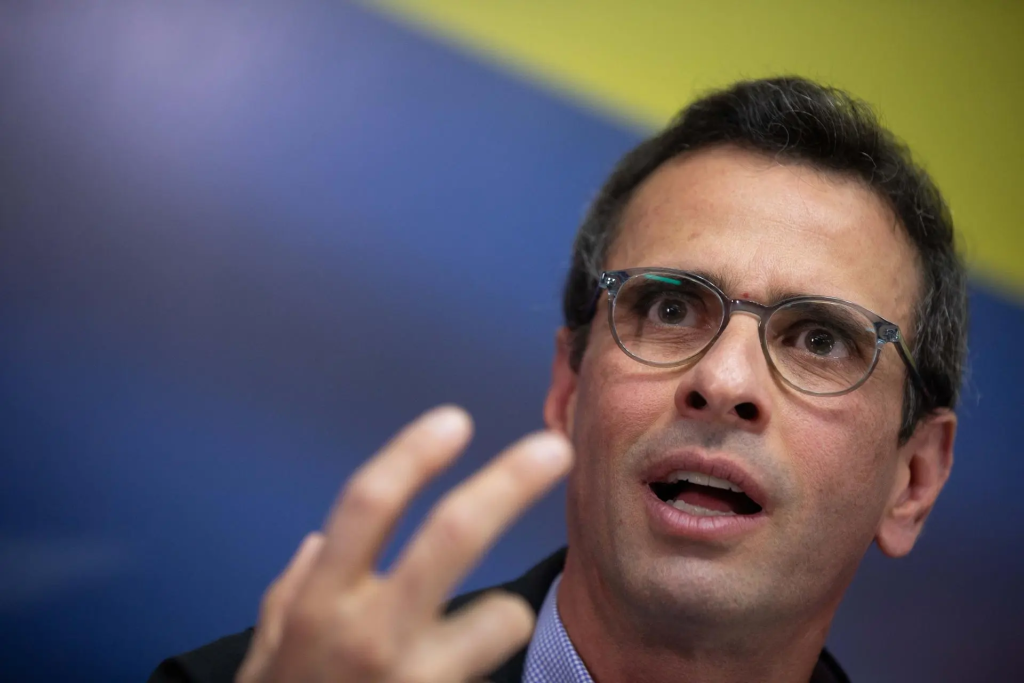
In a climate where the stakes are high and the future uncertain, Venezuelan opposition leader Henrique Capriles has raised significant concerns regarding a recent agreement between Venezuela and the United States over oil exploration. Speaking on the Colombian radio station Blu Radio, Capriles articulated his apprehensions about the economic conditions plaguing the nation and the intricate web of politics surrounding the controversial deal.
The Struggles of the Venezuelan People
Venezuela’s economic landscape is painted with a grim picture of poverty, where the minimum wage and pensions hover around a mere 130 bolívares—equivalent to just a few cents in U.S. currency. The stark reality of such figures underscores an urgent need for revitalization, as families grapple with daily survival amidst escalating inflation and resource scarcity.
Concerns Over Contractual Transparency
Capriles did not shy away from criticizing the lack of transparency in the recent oil deal, which he claims has been awarded without due diligence or public scrutiny. The agreement involves the extraction of oil from 17 fields, estimated to hold an impressive 65 billion barrels in proven reserves. However, the contract was handed over to a relatively new player in the market, raising red flags for the opposition leader.
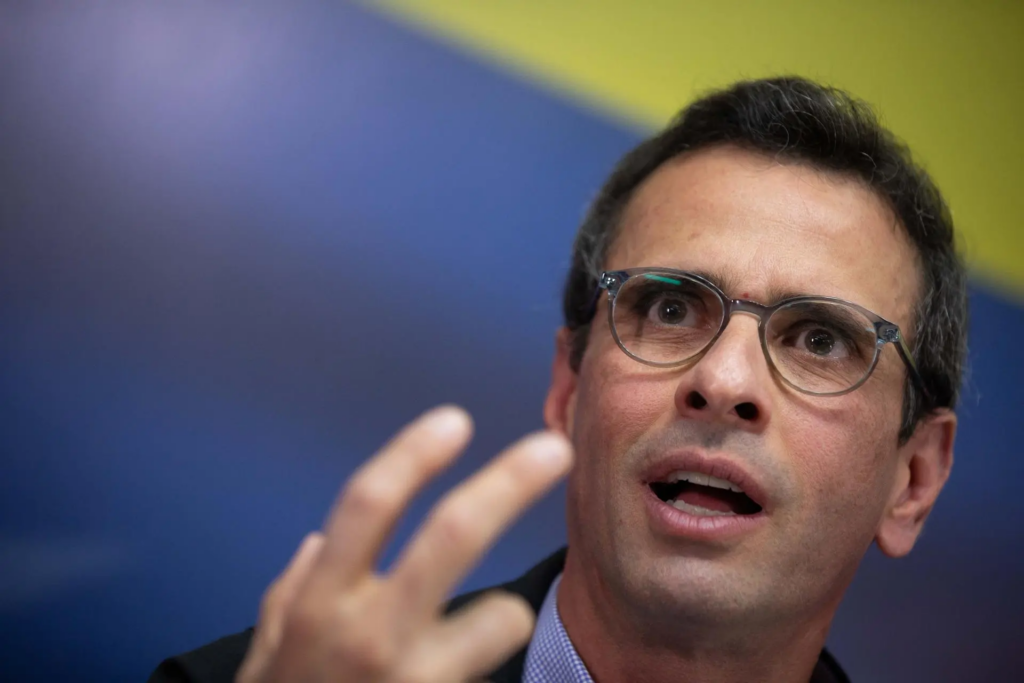
He pointedly questioned why such a lucrative opportunity was not subjected to a public bidding process, a standard practice in transparent governance. “Why were these fields not put up for auction?” Capriles asked, emphasizing the need for accountability in resource management.
The Lengthy Shadows of Political Manipulation
Further complicating the situation, Capriles highlighted discrepancies in the terms being discussed by Venezuelan officials and their U.S. counterparts regarding the duration of the agreement. While officials like Delcy Rodríguez mention a 25-year term, U.S. projections suggest a much longer, renewable agreement of up to 100 years, stirring suspicions about the true intentions behind the deal.
Moreover, Capriles expressed dismay over clauses that could potentially hand over a percentage of shares to the U.S. Department of Defense, alongside provisions allowing for oil extraction at cost price—effectively sidestepping income tax obligations. Such arrangements, he argues, not only undermine Venezuela’s sovereignty but also pose significant risks to its economic future.
The Quest for Democratic Integrity
As discussions surrounding the oil agreement unfold, Capriles remains steadfast in his stance regarding the electoral landscape in Venezuela. He echoes sentiments shared by U.S. Secretary of State Marco Rubio, asserting that the current political environment renders free and fair elections impossible. The opposition leader pointed to the historical manipulation of electoral processes, where power dynamics have favored the ruling government and undermined the integrity of democratic institutions.
“The coercion at play is not merely about machine malfunctions; it’s about physical threats and intimidation,” he stated, alluding to instances where voters have been coerced under duress. His criticism extends to the National Electoral Council and the Supreme Tribunal of Justice, which he accuses of complicity in the erosion of democratic values.
A Call for Change Amidst Pressure
Despite the bleak outlook, Capriles acknowledges a potential shift on the horizon with the anticipated complete renewal of the Supreme Tribunal of Justice. However, he attributes this progress more to external pressures, particularly from the United States, than to any voluntary action from the current regime. He insists that any new appointments must be made based on integrity and independence to foster genuine reform.
Capriles vehemently rejects any notion that the recovery of Venezuela’s economy should hinge on the continued presence of controversial figures like Delcy Rodríguez and Diosdado Cabello. He emphasizes the need for a political environment conducive to reform, free from manipulation and coercion.
Looking Ahead: The Future of Venezuela
As Venezuela stands at a crossroads, the implications of the oil agreement and the political dynamics surrounding it will undoubtedly shape the nation’s path forward. Capriles’ insights illuminate the complexities of navigating these challenges, as Venezuelans strive for a more transparent, democratic, and economically viable future.
Editorial note: This article was created by A Bit Lavish Miami’s Magazine as an original editorial reinterpretation based on publicly available reporting. Original source: efectococuyo.com. Read the original article here: https://efectococuyo.com/politica/entregaron-a-dedo-un-contrato-henrique-capriles/.
Images are used for editorial reference with source credit. If an image requires correction or removal, please contact A Bit Lavish.


Venezuela Reports 8.4% Inflation Rate for September 2026
The Central Bank of Venezuela has announced an inflation rate of 8.4%...
 2 Mins read
A Shift in the Winds: Flávio Bolsonaro’s Call for Change in Brazil
Explore Flávio Bolsonaro's vision for Brazil's future following his strong showing in...
2 Mins read
A Surprising Turn in Brazilian Politics: Lula’s Unexpected First-Round Results
Brazil's President Luiz Inácio Lula da Silva reacts to unexpected election results,...
2 Mins read
Venezuela’s Inflation Rate Hits 8.4% in September 2026
The Central Bank of Venezuela has reported an inflation rate of 8.4%...
2 Mins read