
New Lawsuit Challenges Trump’s White House UFC Fights

A new lawsuit has emerged targeting the controversial UFC fights hosted at the White House during Donald Trump’s presidency. Filed on June 8, 2026, the legal action alleges that these events constituted a misuse of public resources and raised significant ethical concerns regarding the blending of politics and entertainment. The lawsuit is spearheaded by a coalition of watchdog organizations, including Citizens for Responsibility and Ethics in Washington (CREW), which have long scrutinized the former president’s administration for its unconventional practices.
The lawsuit asserts that the UFC events, which drew significant media attention and public interest, diverted attention from pressing national issues and exploited the prestige of the presidency for personal and financial gain. This legal challenge not only questions the propriety of hosting such events in the White House but also highlights broader issues of accountability and transparency in political leadership. The coalition argues that the events served to promote a particular brand of entertainment while compromising the integrity of the office.
This matter is particularly significant in the current global political climate, where the intertwining of entertainment and governance is under increasing scrutiny. The implications of this lawsuit extend beyond the immediate parties involved, as it raises fundamental questions about the ethical boundaries of political conduct and the role of public officials in promoting private enterprises. As the legal proceedings unfold, they could set a precedent for how future administrations engage with commercial interests.
Looking ahead, the outcome of this lawsuit could have lasting ramifications for Trump’s political future and for the conduct of public officials in the United States. Should the court find in favor of the plaintiffs, it may prompt stricter regulations regarding the use of government facilities for private events. Conversely, a dismissal could embolden future administrations to pursue similar engagements, potentially leading to a normalization of such practices. This case is poised to resonate within the broader discourse on governance and accountability in the 21st century.
Source: Yahoo










Trump Reports $1.2 Billion Earnings from Crypto Ventures in 2025
Trump's substantial crypto earnings raise questions about the influence of digital currencies...
 1 Mins read
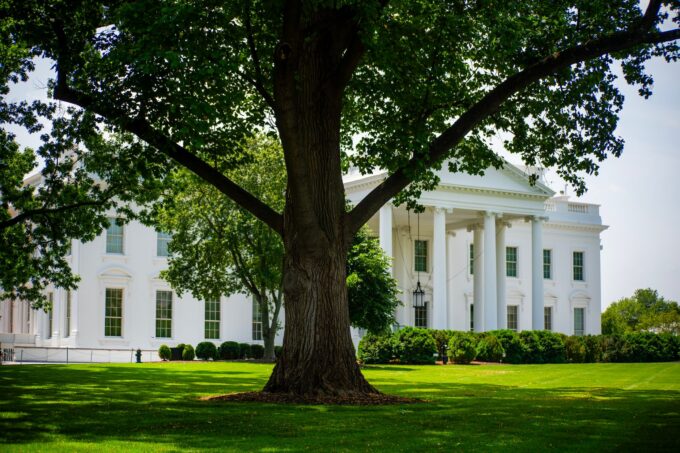
Trump White House Faces New Legal Challenges Amidst Ongoing Investigations
The latest developments in the Trump White House highlight significant legal challenges...
1 Mins read
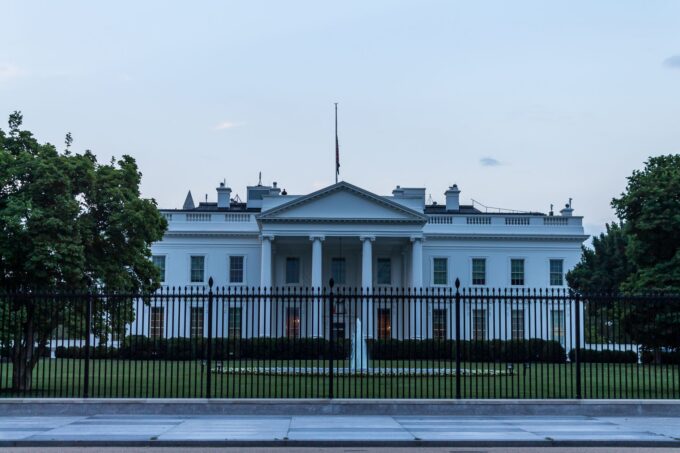
Former White House Lawyer Declares Trump & Sons’ Crypto Deal Illegal
The legality of a cryptocurrency deal involving Donald Trump and his sons...
1 Mins read
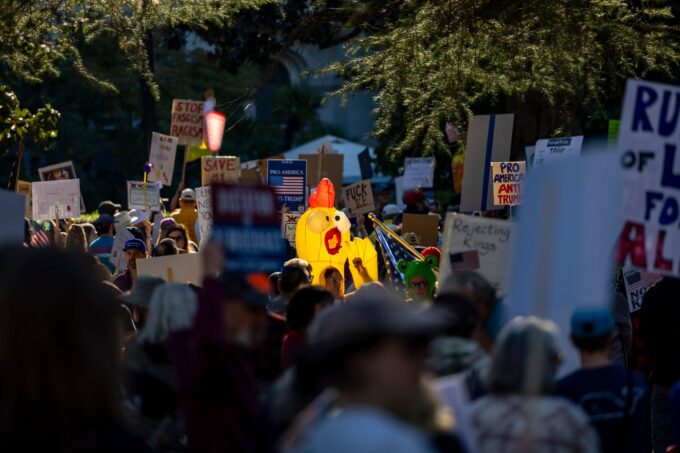


Trump Reports Billions in Income Following White House Return
Trump's recent income disclosure raises critical questions about transparency and influence in...
1 Mins read