
Parliamentary Deadlock Continues as Priyanka Gandhi Demands Statement from HM Shah
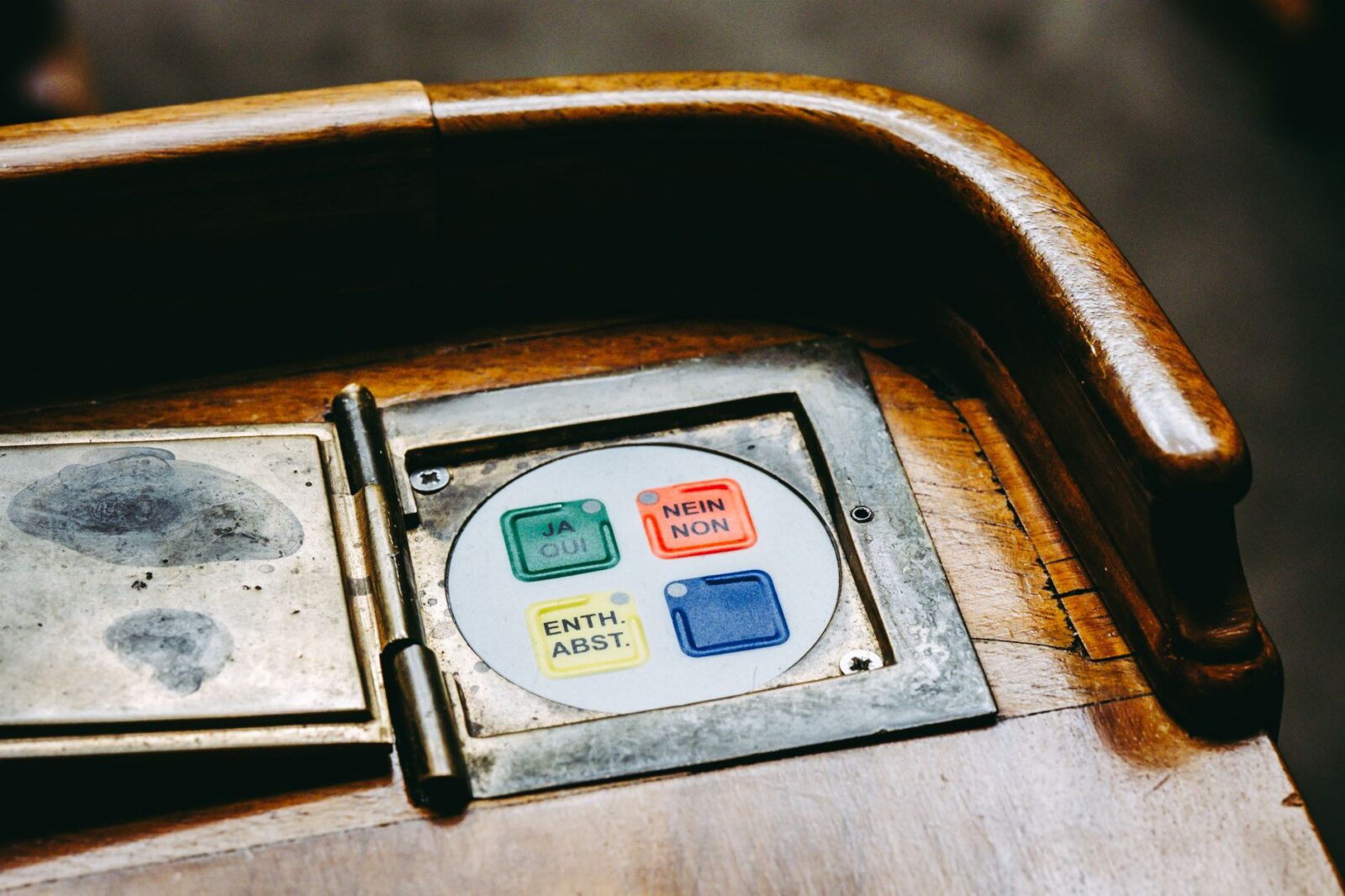
On August 10, 2026, Indian National Congress leader Priyanka Gandhi declared that the ongoing deadlock in Parliament will persist until Home Minister Amit Shah delivers a statement addressing pressing concerns. This standoff has raised significant questions regarding legislative transparency and the government’s responsiveness to public issues.
The deadlock emerged from a series of heated debates surrounding key national security policies and alleged mismanagement by the government. Gandhi’s remarks underscore the growing frustration among opposition parties, who are demanding clarity on the administration’s approach to these issues. Her call for Shah’s statement reflects a broader demand for accountability from the ruling Bharatiya Janata Party (BJP), which has faced increasing scrutiny over its governance.
This situation is particularly pertinent as it reveals the challenges facing India’s democratic institutions at a time when effective governance is crucial for addressing both domestic and international concerns. The ongoing impasse not only disrupts parliamentary proceedings but also affects legislative efficiency, thereby impacting policy formulation and public trust.
Looking ahead, if Shah does not address the Parliament soon, the opposition may escalate their protests, potentially leading to a more significant political crisis. The government could face increased pressure from civil society and political factions demanding transparency and accountability, which may influence upcoming electoral strategies and party dynamics.
Source: The New Indian Express









APM Calls for Release of FBI Report on Tinubu Amid 2027 Election Concerns
The demand for transparency regarding Tinubu's FBI report highlights significant electoral integrity...
 1 Mins read

FBI Manhunt Culminates in Arrest of Accused Double-Killer in New York City
The apprehension of a suspected double-killer underscores ongoing public safety concerns and...
1 Mins read

People Power Party Floor Leader Chung Jum-sik Criticizes Cabinet Reshuffle as ‘Declaration of Complete Refusal to Reform State Affairs’
Chung Jum-sik's remarks highlight growing discontent over South Korea's governance amid ongoing...
1 Mins read


Ireland’s Anti-Social Behaviour Orders: A Two-Decade Assessment
The effectiveness of Ireland's Anti-Social Behaviour Orders (Asbos) is under scrutiny as...
1 Mins read