
Putin Faces Dilemma as Russian Offensive Stalls Amid Global Scrutiny
As of June 2, 2026, reports indicate that Russia’s military offensive in Ukraine has encountered significant setbacks, prompting President Vladimir Putin to seek a viable exit strategy. The Washington Post highlights the growing frustrations within the Kremlin as operational challenges mount, raising concerns about the sustainability of Russia’s military objectives.
Key figures involved in this situation include not only Putin but also military leaders whose strategies have failed to secure rapid gains. The stalled offensive is not merely a tactical setback; it reflects broader issues within the Russian military command structure and the morale of troops on the ground. This impasse is occurring against a backdrop of increasing international scrutiny and pressure, particularly from NATO countries and the European Union, who continue to support Ukraine both militarily and economically.
The implications of this stalled offensive are profound, not only for Russia and Ukraine but for global geopolitical dynamics. The potential for a protracted conflict poses risks of further destabilization in Eastern Europe, impacting energy markets, refugee flows, and international trade routes. As Ukraine continues to receive robust support from Western allies, the balance of power in the region could shift, emboldening other nations to reassess their own military strategies and alliances.
Looking ahead, the pressure on Putin to recalibrate his military objectives will likely intensify. A potential shift towards diplomatic negotiations could emerge as a solution, but this would require concessions that may challenge Putin’s domestic standing. Observers are keenly watching whether this situation will lead to a reevaluation of Russia’s long-term military goals or whether it will exacerbate tensions, potentially resulting in a greater escalation of hostilities.
Source: The New Voice of Ukraine









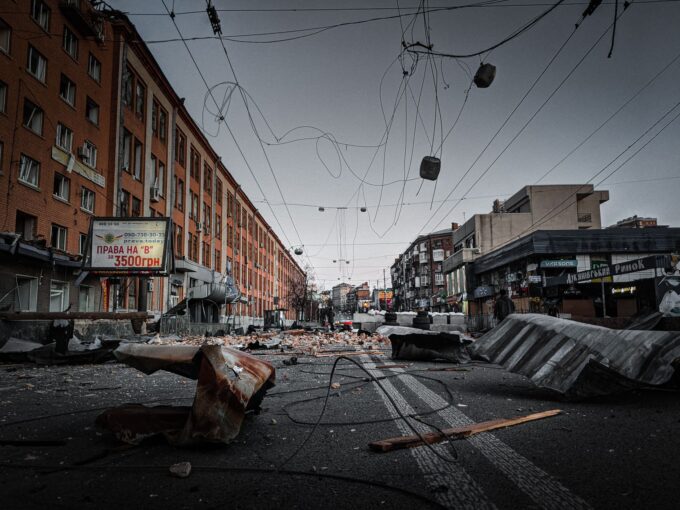
Kyiv Endures Russian Ballistic Missile Assault Amid Ongoing Conflict
The recent missile strike on Kyiv underscores the persistent threat posed by...
 1 Mins read
Russia Launches Prolonged Attack on Kyiv, Heightening Regional Tensions
The recent Russian assault on Kyiv underscores the fragility of European security...
1 Mins read

Ukraine Strikes Russian Oil Refinery Again Amid Ongoing Conflict
The recent Ukrainian attack on a Russian oil refinery underscores the escalating...
1 Mins read



Drone Strikes Target Russian Refineries Amid Escalating Fuel Crisis
The ongoing drone strikes on Russian refineries exacerbate a critical fuel supply...
1 Mins read