
Reimagining Minimum Wage: A Call to Action as Schools Prepare to Reopen
Labor Rights in Focus
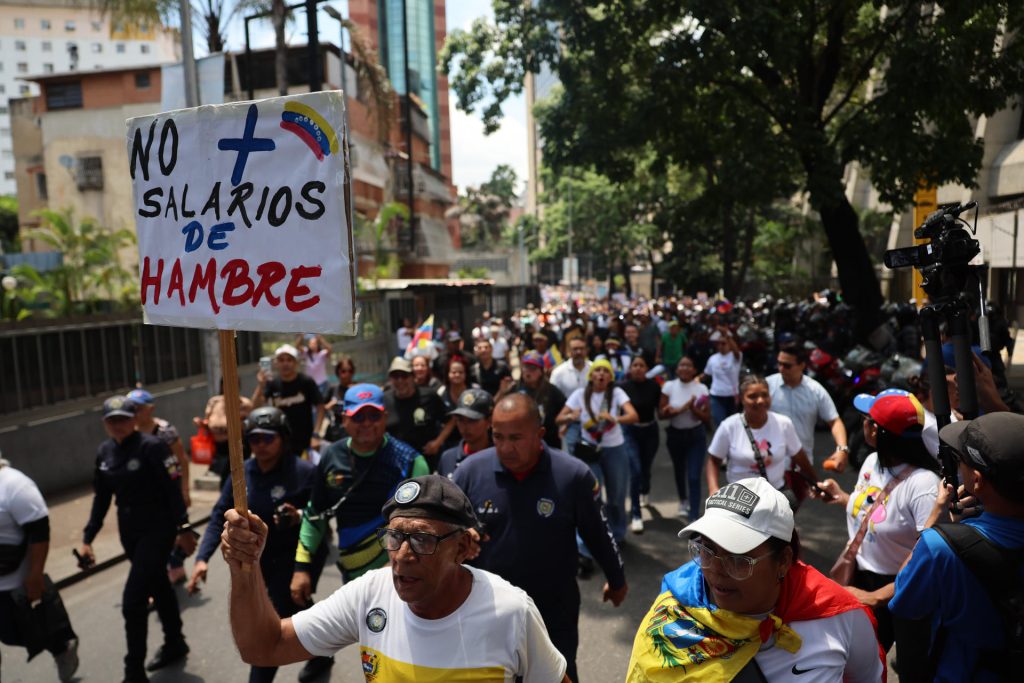
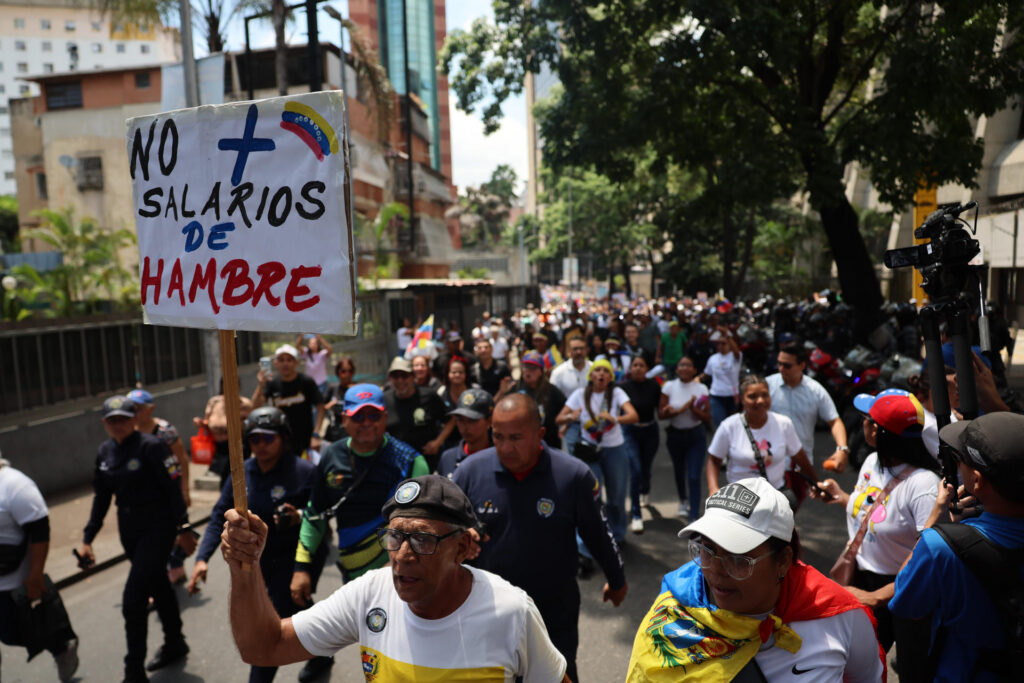
As Venezuela approaches the start of the 2026-2027 academic year, a growing chorus of voices is advocating for a reevaluation of minimum wage policies. On the International Labor Day, Venezuelan labor unions took to the streets, demanding not just an increase in the minimum wage but also a transparent dialogue regarding the nation’s economic conditions.
A Stagnant Economy
For the past four years, the minimum wage in Venezuela has been frozen at an astonishingly low 130 bolívares, equating to a mere 0.17 dollars per month at current exchange rates. This dismal figure translates to insufficient resources for even the most basic necessities—one can barely afford a single Metro ride or a piece of bread with such a meager income.
In the academic sector, the implications are stark. Professors at public universities, regardless of their qualifications or years of service, find themselves earning less than a dollar monthly, highlighting a troubling trend where the value of education and expertise is grossly undervalued.
Voices of Change
José Gregorio Afonso, president of the Association of Professors at the Central University of Venezuela, emphasized that the dialogue surrounding wage increases cannot remain stalled on the claim of insufficient funds. He insists that a thorough examination of Venezuela’s revenue, particularly from oil sales and tax collections, is essential for meaningful negotiations to take place.
Moreover, the current system of bonuses—an additional 200 dollars deposited through the Sistema Patria—does not contribute to social benefits or utility calculations. This structure fails to differentiate between seasoned educators and those just beginning their careers, perpetuating inequities in the educational sector.
The Call for Legislative Reform
Economists echo Afonso’s sentiments. Manuel Sutherland argues that a genuine increase in the minimum wage is not only possible but essential for the nation’s recovery. He advocates for an expedited reform of the labor laws that would rectify the retroactive nature of social benefits, enabling a swift increase in the minimum wage without burdening the state with long-term commitments.
This legislative adjustment could potentially be achieved in just two discussions within the National Assembly—a process previously employed for other laws. Such a move would allow the government to elevate the minimum wage while simultaneously phasing out the contentious bonus system that undermines the true value of work.
Implications for the Future
The urgency for a minimum wage adjustment takes on added significance as the holiday season approaches. A wage increase could significantly enhance the purchasing power of many Venezuelans, providing a much-needed boost during a time traditionally associated with consumer spending and celebration.
As discussions progress, the spotlight remains on how Venezuela can navigate its economic challenges and restore dignity to its workers through fair and just compensation. The path forward demands not only immediate action but a commitment to building a more equitable society for all.
Editorial note: This article was created by A Bit Lavish Miami’s Magazine as an original editorial reinterpretation based on publicly available reporting. Original source: efectococuyo.com. Read the original article here: https://efectococuyo.com/economia/reconstruir-el-salario-minimo-2026/.
Images are used for editorial reference with source credit. If an image requires correction or removal, please contact A Bit Lavish.



Venezuelan Political Landscape: A New Judicial Committee Takes Shape
Explore the recent developments in Venezuela's political scene as the National Assembly...
 2 Mins read
A New Dawn for Venezuela: María Corina Machado’s Courageous Return
Explore the strong political movement led by María Corina Machado as she...
1 Mins read
Unfolding the Complexities of US Immigration Policy: A New Chapter in Migrant Deportation
An exploration of the recent Supreme Court decision allowing temporary deportation of...
 ABL3 Mins read
Echoes of Resilience: The Plight of Political Prisoners in Venezuela
An exploration of recent developments concerning political prisoners in Venezuela, highlighting ongoing...
2 Mins read