
Resilience Amid Ruins: Life in the Caraballeda Refuge Post-Earthquake
A Community in Distress
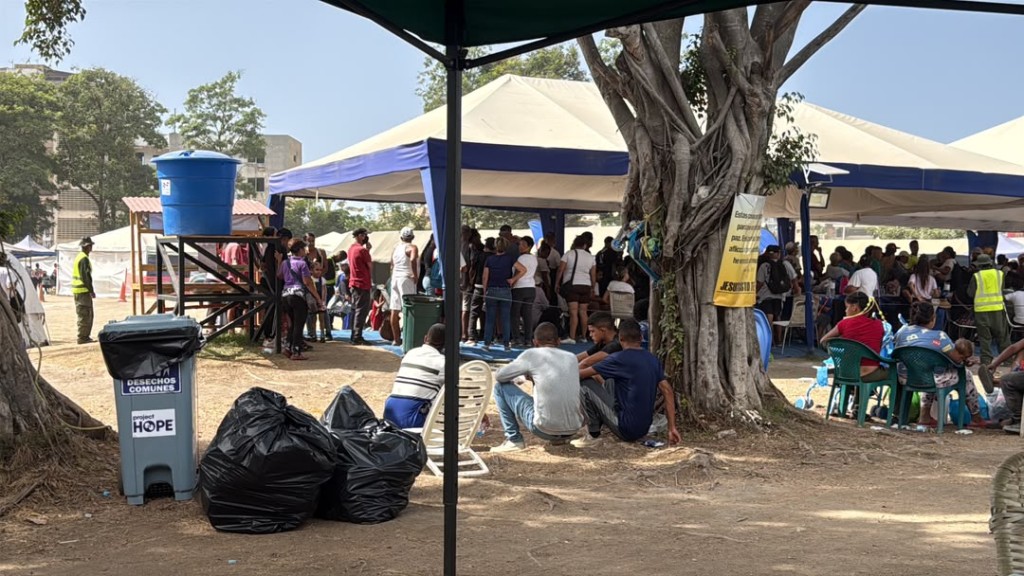
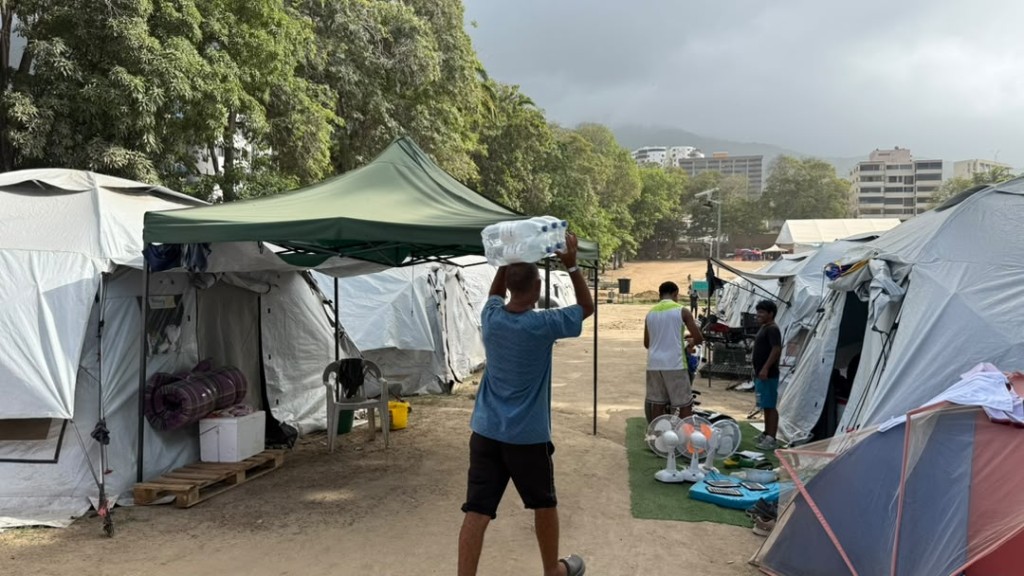
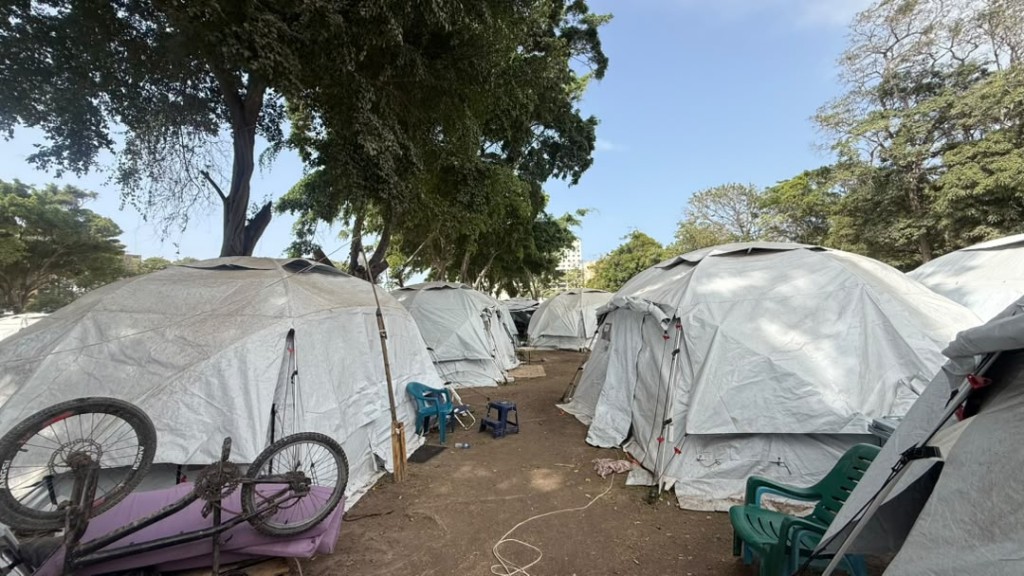
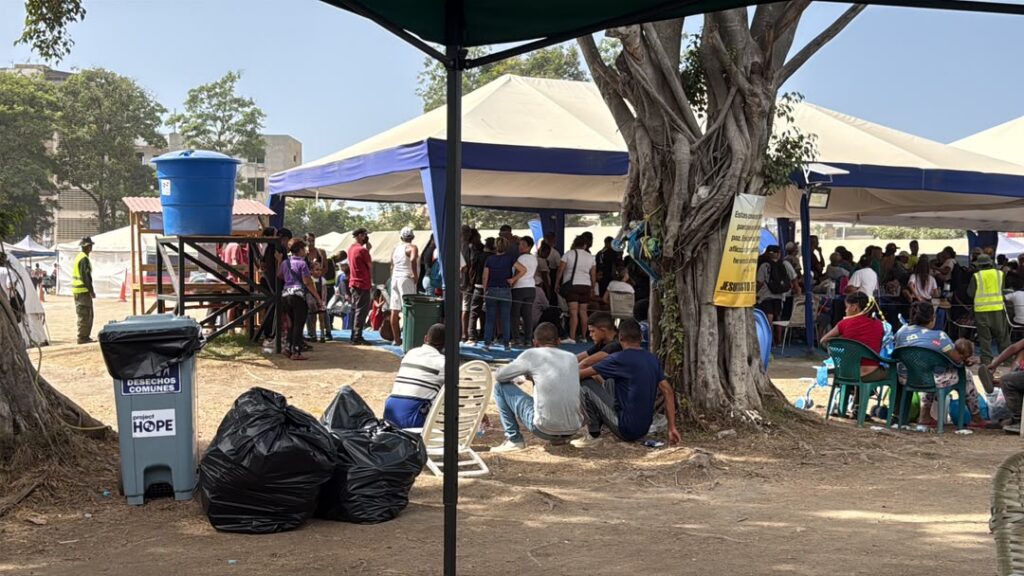
In the wake of a devastating earthquake that has claimed over 6,000 lives and left countless more injured, the families taking refuge in Caraballeda’s golf fields are grappling with harsh living conditions. As they navigate the aftermath of this tragedy, the challenges they face are as daunting as the losses they have endured.
Despite the ongoing medical assistance and the presence of essential facilities such as makeshift showers and toilets, those who have lost their homes report a troubling decline in food supplies and inadequate nighttime lighting. As the weeks have passed, the flow of donations has diminished, leaving many in a precarious state.
Voices from the Ground
Melvin Prieto, a 54-year-old former resident of the OPPE 27 tower, voiced the frustration of many when he noted the reduction in food aid. “At first, things were looking good, but now we’ve noticed that food supplies have decreased significantly,” he remarked. This sentiment echoes throughout the makeshift camps, where residents rely heavily on the kindness of donors.
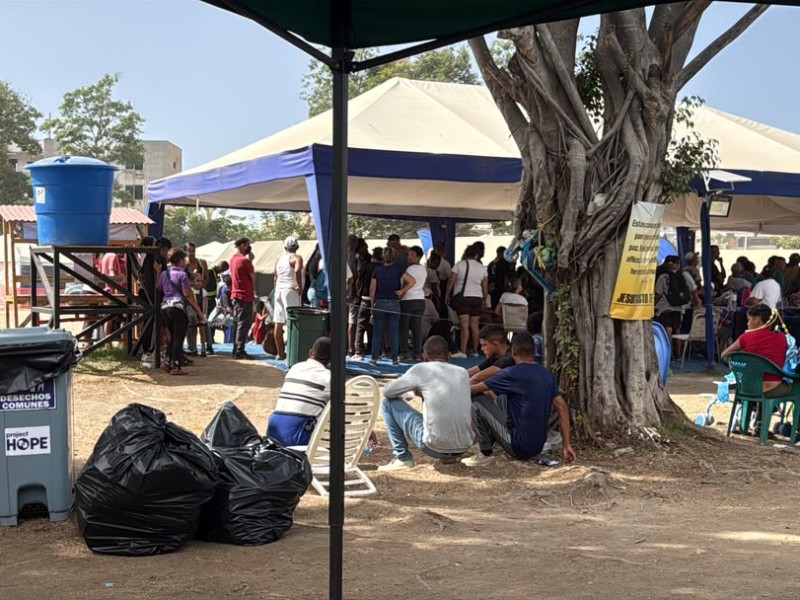
In terms of electricity, the situation remains dire. The solar-powered lights installed are insufficient, with large areas still lacking proper illumination. “They have installed some solar-powered posts, but not all areas are covered. The little illumination we have is from streetlights, which hardly suffice,” Prieto explained. The lack of power sources has compounded the challenges of daily life, forcing residents to rely on external help just to charge their mobile phones.
The Role of International Aid
The burden of humanitarian assistance has largely fallen on international organizations and private entities. Residents like Randy Domínguez, 61, observed that countries such as Mexico, Spain, Peru, and Colombia have provided critical support, while the response from local authorities has been notably absent. “We’ve received significant help from foreign nations and the European Union, but there’s been no response from the government,” Domínguez stated.
While medical supplies have been well-managed, the humanitarian aspect remains a struggle. Residents express gratitude for the aid they do receive, but the inconsistency and scarcity of resources pose ongoing threats to their well-being.
Challenges Beyond Basic Needs
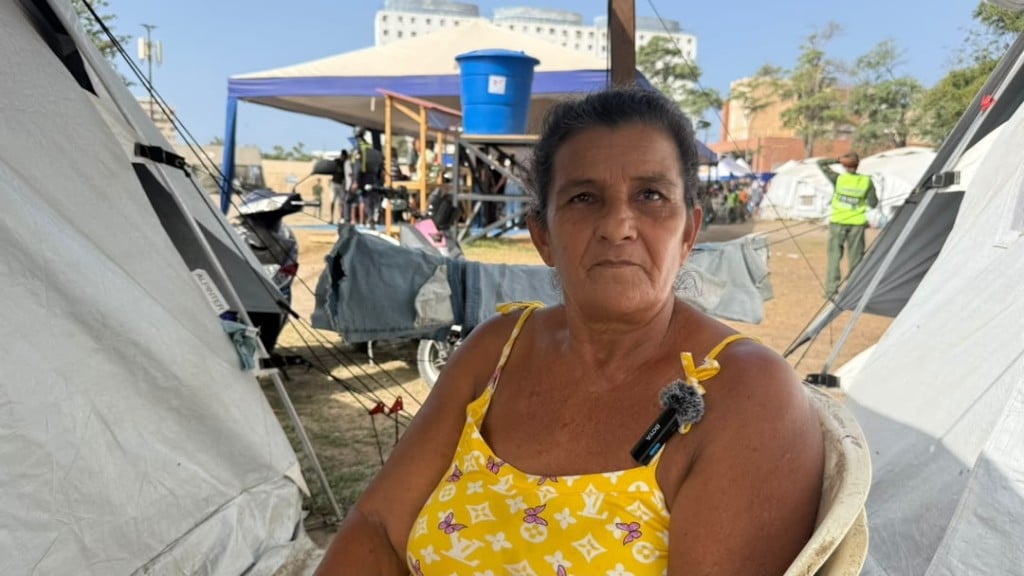
Amidst these logistical hurdles, issues of fairness and accessibility to aid have emerged. Residents have voiced concerns over non-victims attempting to benefit from the resources intended for those truly affected by the disaster. Jessica Sánchez, a 44-year-old woman who lost her home, lamented, “We have many complaints because the donations we’ve received have not been complete; outsiders are infiltrating and taking what should be for us.”
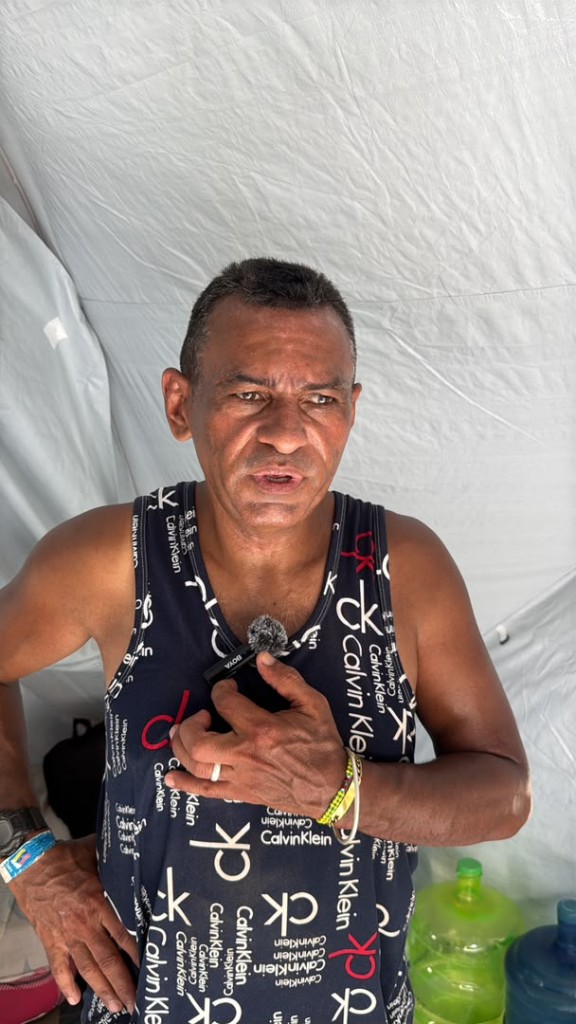
The residents have also raised concerns about the census process and the allocation of temporary housing solutions. Many are hesitant to move to new shelters, expressing a strong desire for permanent homes rather than temporary fixes. As Prieto articulated, they are seeking stability: “What we want is our house. We’ve lost our belongings, and we don’t want to stay in a shelter for two to five years.”
The Weight of Grief
Beyond the physical hardships, the emotional toll of the disaster weighs heavily on survivors. The pain of losing loved ones lingers, as Ana Vera Méndez poignantly shared her experience of escaping the earthquake with her family only to return to find their home destroyed and their community shattered. “We lost many relatives, and it was hard to retrieve them from the rubble,” she recounted, highlighting the delays in recovery efforts due to a lack of heavy machinery.
As the search for missing individuals continues, anxiety looms over families still awaiting news of their loved ones. Sánchez, who lived in the OPPE 26, emphasized the psychological impact on children who are coping with the trauma of loss and uncertainty. “We are asking for our houses back, as it’s what we need to ensure our children’s well-being,” she stated, emphasizing the urgent need for stability and security amidst ongoing distress.
A Call for Action
The stories emerging from Caraballeda’s refuge illustrate the resilience and determination of those affected by the earthquake. As they confront a future fraught with uncertainty, their call for support is clear. The need for proper housing, consistent aid, and a united response from both local and international communities is more pressing than ever. Together, there is hope that these families can rebuild their lives and find solace amidst the ruins.
Editorial note: This article was created by A Bit Lavish Miami’s Magazine as an original editorial reinterpretation based on publicly available reporting. Original source: efectococuyo.com. Read the original article here: https://efectococuyo.com/la-humanidad/menos-insumos-poca-luz-y-rescates-inconclusos-marcan-la-vida-en-refugio-de-caraballeda/.
Images are used for editorial reference with source credit. If an image requires correction or removal, please contact A Bit Lavish.




Venezuela Denies Seeking Immunity for Nicolás Maduro Amid U.S. Legal Concerns
Venezuela's government has officially confirmed that it did not seek Nicolás Maduro's...
 1 Mins read
The Return of María Corina Machado: A New Chapter for Venezuela?
Exploring the implications of María Corina Machado's anticipated return to Venezuela amidst...
2 Mins read
Navigating Pragmatism: Brazil’s Political Shift and Its Implications for Venezuela
Explore the evolving political landscape in Brazil and its potential effects on...
2 Mins read
Venezuela’s National Assembly Launches Special Commission to Reform Law Against Hate
The Venezuelan National Assembly has initiated a special commission aimed at reforming...
2 Mins read