
Rethinking Emergency Preparedness in Luxury Hotels: The Need for Enhanced Tools, Training, and Technology
 ABLUpdated 1 year Ago3 Mins read223
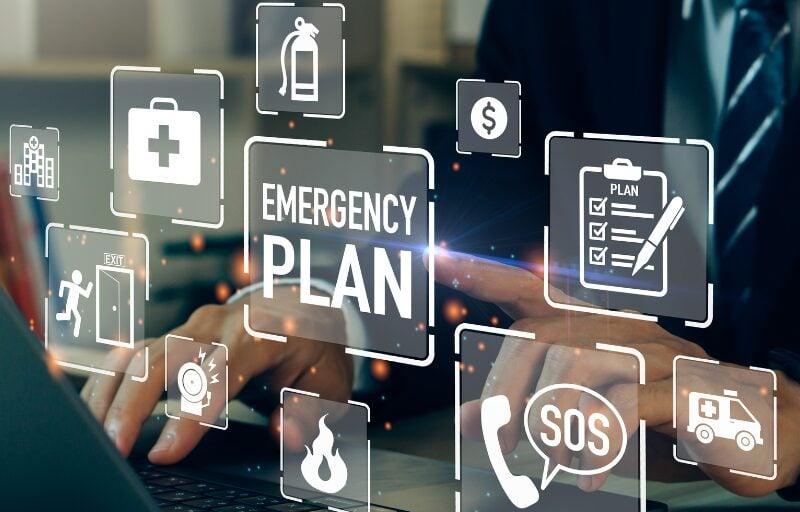
Shifting Focus: From Asset-First Security to People-First Crisis Leadership in Hospitality
In the ever-evolving landscape of the hospitality industry, the need for effective crisis management has never been more pressing. Hotels are not just places for rest and relaxation; they are complex ecosystems that manage thousands of interactions daily, welcoming guests from around the globe while ensuring seamless operations across various departments. Unfortunately, this dynamic environment also presents unique vulnerabilities that require astute navigation.
The Reality of Crisis in Hospitality
Crisis situations in hotels are more common than many realize. From natural disasters like hurricanes and floods to health emergencies that reshape guest expectations, the challenges are diverse. Cyberattacks targeting sensitive guest data and social media incidents that can escalate rapidly further complicate the landscape. A crisis, defined as an unpredictable event threatening stakeholder expectations related to health, safety, and economic issues, can emerge without warning, forcing hotels to pivot from guest service to emergency response.
Statistics reveal the gravity of the situation: over 3,900 hotel fires occur annually, resulting in 15 deaths and $100 million in losses. With numerous other potential crises, the American hospitality industry stands at a critical juncture. The essential question is not if a crisis will occur, but how well-prepared hotels are to protect their guests, support their teams, and maintain their reputations when challenges arise.
The Human Element in Crisis Management
Traditionally, luxury hotels have distinguished themselves through exceptional amenities and attentive service, often relying on robust physical security measures. However, recent global events have underscored that the definition of a "safe haven" must extend beyond bricks and mortar. Today’s crisis scenarios challenge not only operational efficiency but also guest trust, staff morale, and brand reputation.
In high-stress situations, a hotel’s most valuable asset is not its surveillance systems but the real-time, calm, and capable actions of its staff. Unfortunately, many hotel teams are left to navigate chaos with outdated, paper-based procedures or sporadic manual training, leaving even experienced staff feeling unprepared. This gap between intention and action can have profound consequences for everyone within the property’s walls.
A New Paradigm for Preparedness
The hospitality industry can learn from professional athletes, who understand that while they cannot predict how a game will unfold, they can train to improve their chances of success. Hotels may not be able to prevent every crisis, but they can control how they prepare their teams to respond. As a guest’s home away from home, it is the responsibility of every hotel to implement comprehensive protocols and safety measures that protect their property, staff, and guests.
Leading hoteliers are now shifting their focus from asset-first security to people-first crisis leadership. This involves investing in new technologies that empower frontline staff to act swiftly and confidently. Mobile-first emergency preparedness platforms offer instant, silent alert systems that allow staff to raise alarms without escalating tension. Step-by-step audio guidance ensures that protocols are always accessible, reducing confusion and decision paralysis during high-stress situations.
The Business Case for Better Preparedness
The data supporting enhanced emergency preparedness is compelling. Recent industry research indicates that 74% of travelers would pay a premium for secure, technology-enhanced experiences. Additionally, 71% are more likely to return to hotels that genuinely make them feel safe—both digitally and physically.
Beyond guest satisfaction, robust emergency protocols deliver measurable operational benefits. Properties with comprehensive crisis management systems experience reduced downtime, lower legal exposure, and less negative media attention following incidents. These advantages translate directly to the bottom line while protecting brand reputation. More importantly, proper preparation transforms how staff experience their work environment. Employees who feel equipped and supported during crises demonstrate higher confidence, better performance, and stronger loyalty to their employers.
Setting the Standard for Tomorrow
In today’s unpredictable hospitality landscape, emergency preparedness has evolved from a compliance requirement to a competitive differentiator. Hotels that excel during crises share a common characteristic: their staff respond with clarity, care, and confidence while supporting distressed guests and restoring order. This level of performance doesn’t happen by accident; it requires intentional investment in people, processes, and technologies that work seamlessly together when it matters most.
As incidents like those in Paris become increasingly familiar, industry leaders have an opportunity to set new standards for emergency preparedness. The tools, training, and technologies needed to achieve this vision are available today. The question is not whether the hospitality industry can rise to meet these challenges, but whether individual leaders will choose to act before the next crisis puts their property to the test.
In conclusion, the shift from asset-first security to people-first crisis leadership is not just a trend; it is a necessity for the future of hospitality. By prioritizing the human element and investing in the right technologies, hotels can ensure they are not only prepared for crises but also positioned to thrive in an increasingly complex world.









Dinosaur Exhibit at Great American State Fair Highlights Cultural Divides
The display of a dinosaur's rib cage at the Great American State...
 1 Mins read
Lawmakers Address Health Risks from White House Demolition Debris at East Potomac Park
The presence of hazardous debris from the White House demolition raises serious...
1 Mins read

Federal Judge Blocks Restrictions on Graduate Student Loan Access
This ruling impacts millions of graduate students and their educational financing options,...
1 Mins read



Euthanization of Rescued Sloth Raises Concerns Over Animal Welfare Practices in Florida
The euthanization of sloth Willow underscores critical issues in animal welfare and...
1 Mins read
