
Russia and Ukraine Engage in Heightened Military Tensions Amidst Global Scrutiny
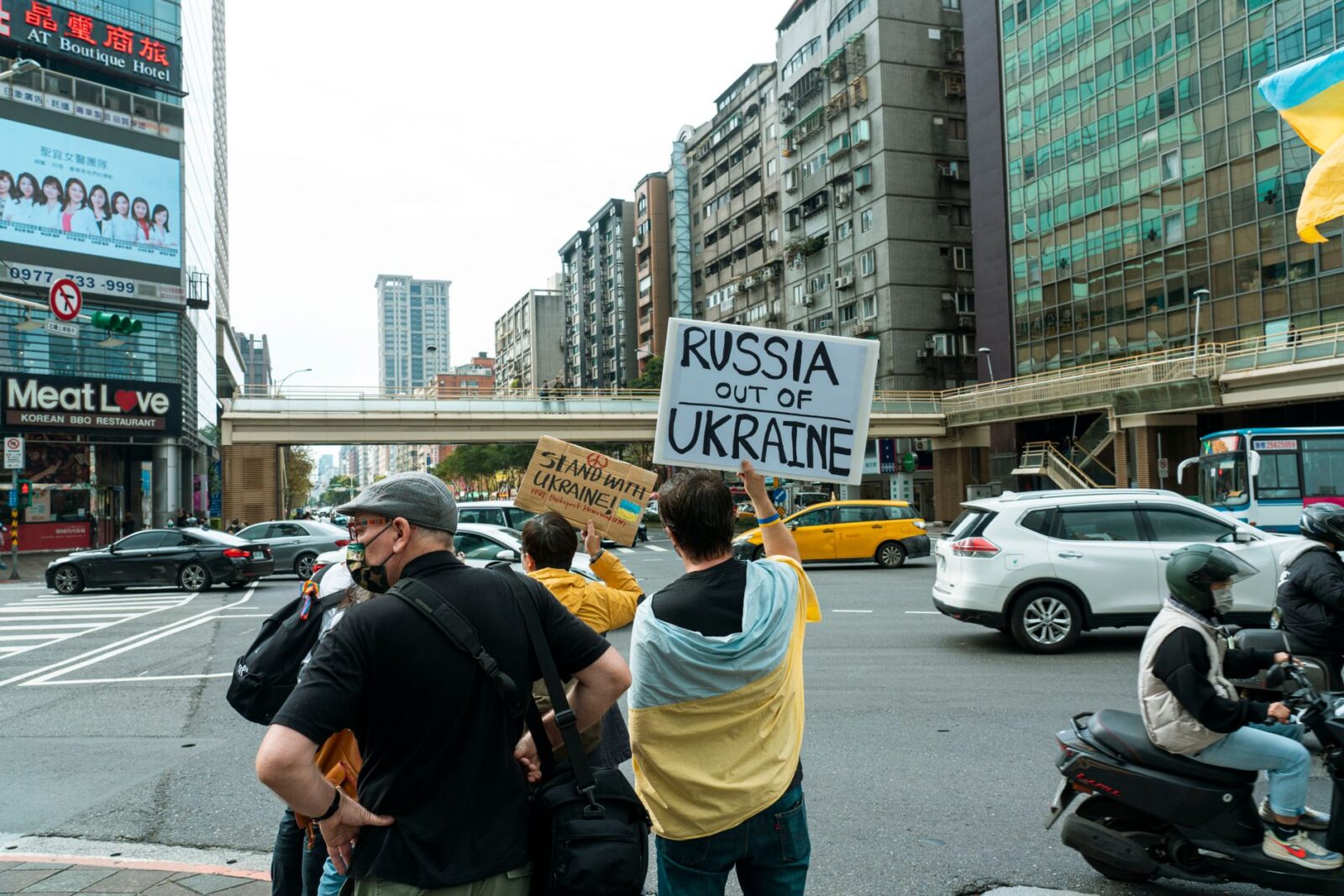
On September 6, 2026, military engagements between Russia and Ukraine intensified, primarily in the contested regions of Eastern Ukraine. This escalation comes as both nations prepare for a potential shift in military strategy, with Russia reportedly mobilizing additional troops along its western border and Ukraine reinforcing its defenses in response. The situation has prompted urgent discussions among NATO allies, particularly in light of the ongoing support the United States and European nations provide to Ukraine.
The direct involvement of Russia and Ukraine is underscored by recent statements from both governments. Ukrainian President Volodymyr Zelenskyy condemned the Russian military buildup, asserting it poses a direct threat to Ukraine’s sovereignty. Meanwhile, the Kremlin has framed its actions as necessary for national security, claiming that NATO’s expansion in Eastern Europe endangers its borders. The backdrop to this confrontation includes the longstanding tensions since the annexation of Crimea in 2014, which have been exacerbated by fluctuating energy prices and shifting alliances in the region.
This situation is receiving heightened attention now due to the potential ramifications for global energy markets and security arrangements in Europe. Analysts warn that further escalation could lead to significant disruptions in energy supplies, particularly given Europe’s reliance on Russian gas. The U.S. has reaffirmed its commitment to supporting Ukraine, which may involve increased military aid, thus risking further deterioration of U.S.-Russia relations.
Looking ahead, the likelihood of diplomatic negotiations remains uncertain. A potential meeting between NATO defense ministers is scheduled for later this month, which may address the ongoing tensions. However, if military actions continue to escalate, the international community may witness a reconfiguration of alliances in Eastern Europe, with long-term implications for global security dynamics.
Source: bdtonline.com




U.S. Withdraws Aircraft from British Base Amid Iranian Drone Threats
The U.S. military has withdrawn aircraft from a British base following new...
 2 Mins read
Trump Administration Seeks to Revoke U.S. Citizenship from Record Number of Individuals
The Trump administration's recent push to revoke U.S. citizenship from a record...
1 Mins read
India Opposition Parties Rally Against Election Chief Over Voter List Changes
Opposition parties in India are mobilizing against the election chief's controversial changes...
2 Mins read
Trump Approves First Military Execution in Six Decades
The approval of Nidal Hasan's execution marks a pivotal moment in U.S....
2 Mins read