
Russia Engages E3 Diplomats as Europe Evaluates Sanctions and Dialogue on Ukraine Conflict
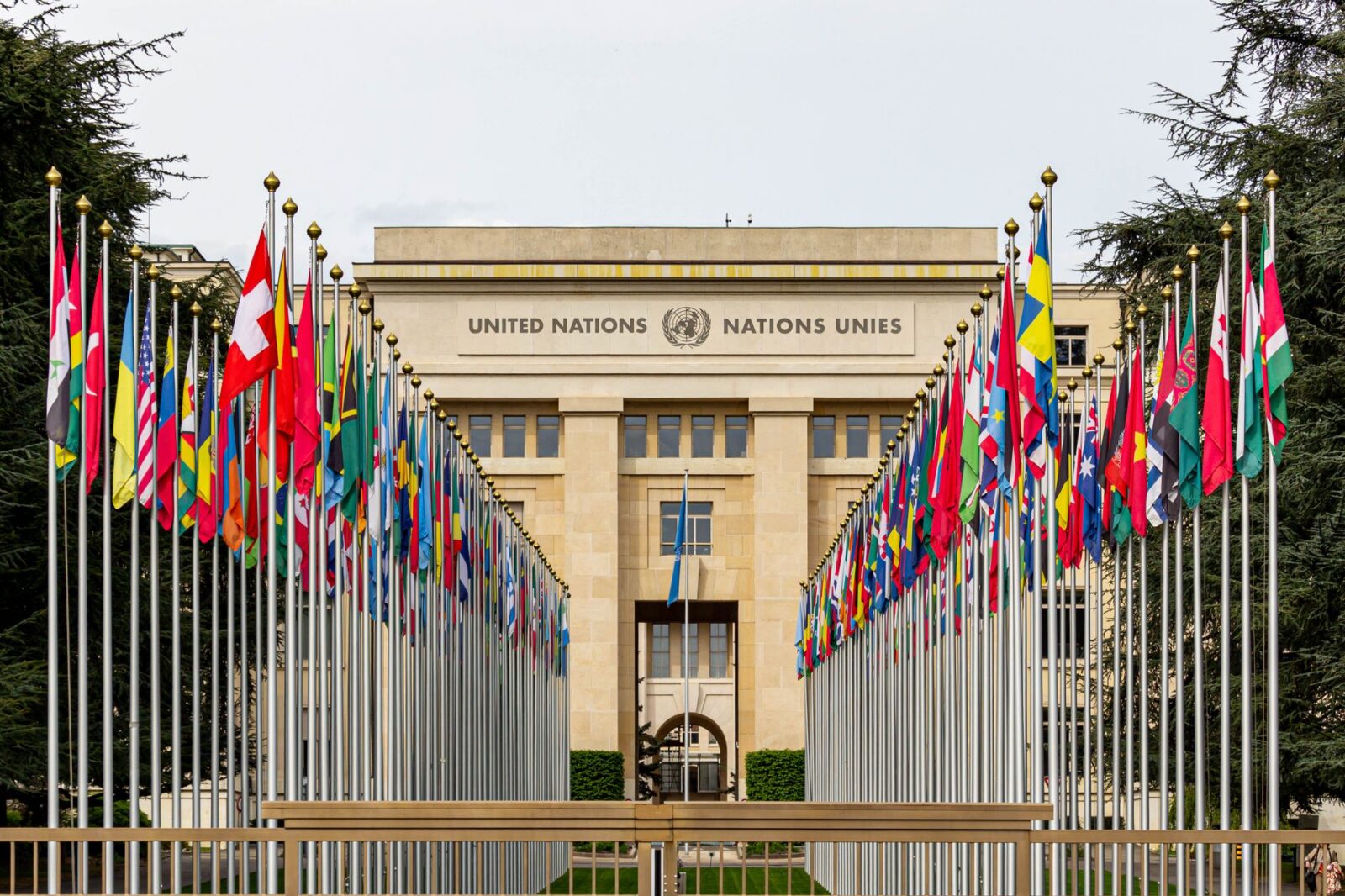
In a significant diplomatic maneuver, Russia has summoned envoys from the E3—Germany, France, and the United Kingdom—as Europe deliberates its approach to the ongoing conflict in Ukraine. This development, occurring on June 11, 2026, underscores the heightened tensions and the complex interplay of international relations surrounding the war. The E3 nations have been pivotal in shaping European responses to the conflict, and their engagement with Russia could signal either a pathway to renewed dialogue or a prelude to increased sanctions.
The backdrop to this diplomatic engagement is a European landscape that is increasingly polarized by the war’s ramifications. With the conflict entering its third year, the humanitarian toll has escalated, and the geopolitical stakes have never been higher. The E3’s involvement reflects a shared concern among these nations about the potential for further destabilization in Eastern Europe and the implications it holds for NATO and global security.
This moment is critical not only for the immediate parties involved but also for the broader international community. The decisions made in the coming days by the E3 and Russia will reverberate through global markets, influence energy prices, and potentially reshape alliances. The prospect of sanctions looms large, especially given the economic pressures already felt across Europe due to the ongoing conflict. The balance between punitive measures and diplomatic negotiations remains precarious.
Looking ahead, the outcome of these discussions could lead to a renewed effort for peace talks or, conversely, a hardening of positions that could exacerbate the conflict. Observers are keenly watching for indications of Russia’s willingness to engage constructively, as any failure to reach an understanding could lead to a new wave of sanctions from the European Union, further isolating Moscow on the world stage.
Source: The New Voice of Ukraine










FIFA Overturns Red Card Ban for US Star Following Controversial Trump Call
The decision to overturn the ban raises questions about governance in sports...
 1 Mins read
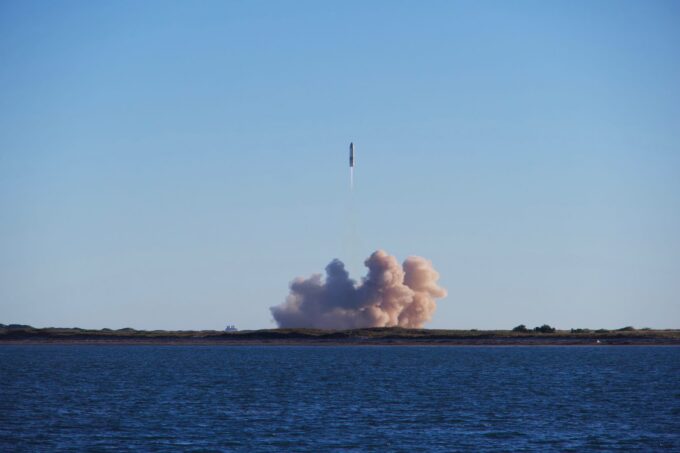
White House Launches Effort to Overturn World Cup Red Card Decision
The U.S. government's intervention in a World Cup red card appeal reflects...
1 Mins read
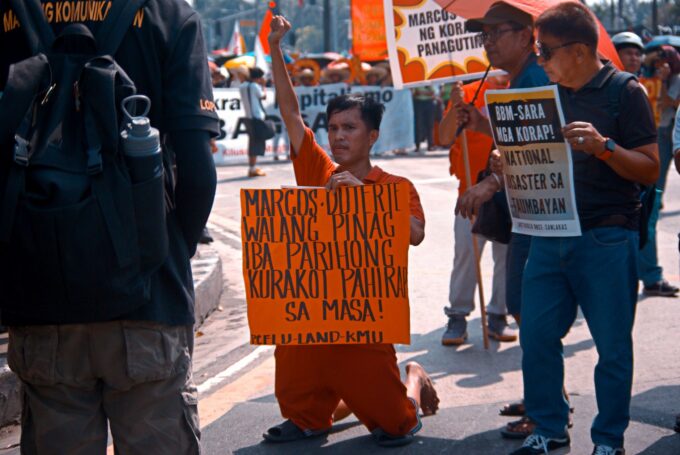
White House Report Criticizes Smithsonian Leadership as Untrustworthy Activists
The White House's recent critique of Smithsonian leadership underscores deepening political divides...
1 Mins read
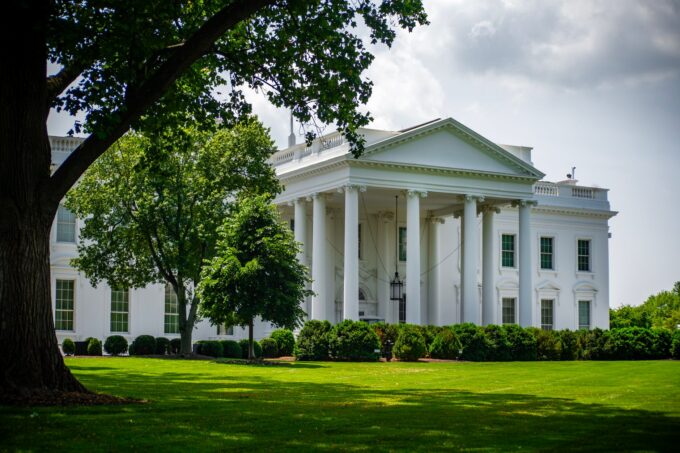


Trump’s White House Undergoes Significant Makeover Amidst Political Landscape Changes
The transformation of Trump's White House reflects ongoing political shifts and may...
1 Mins read