
Russian and Chinese Aircraft Intrude South Korea’s Air Defense Zone
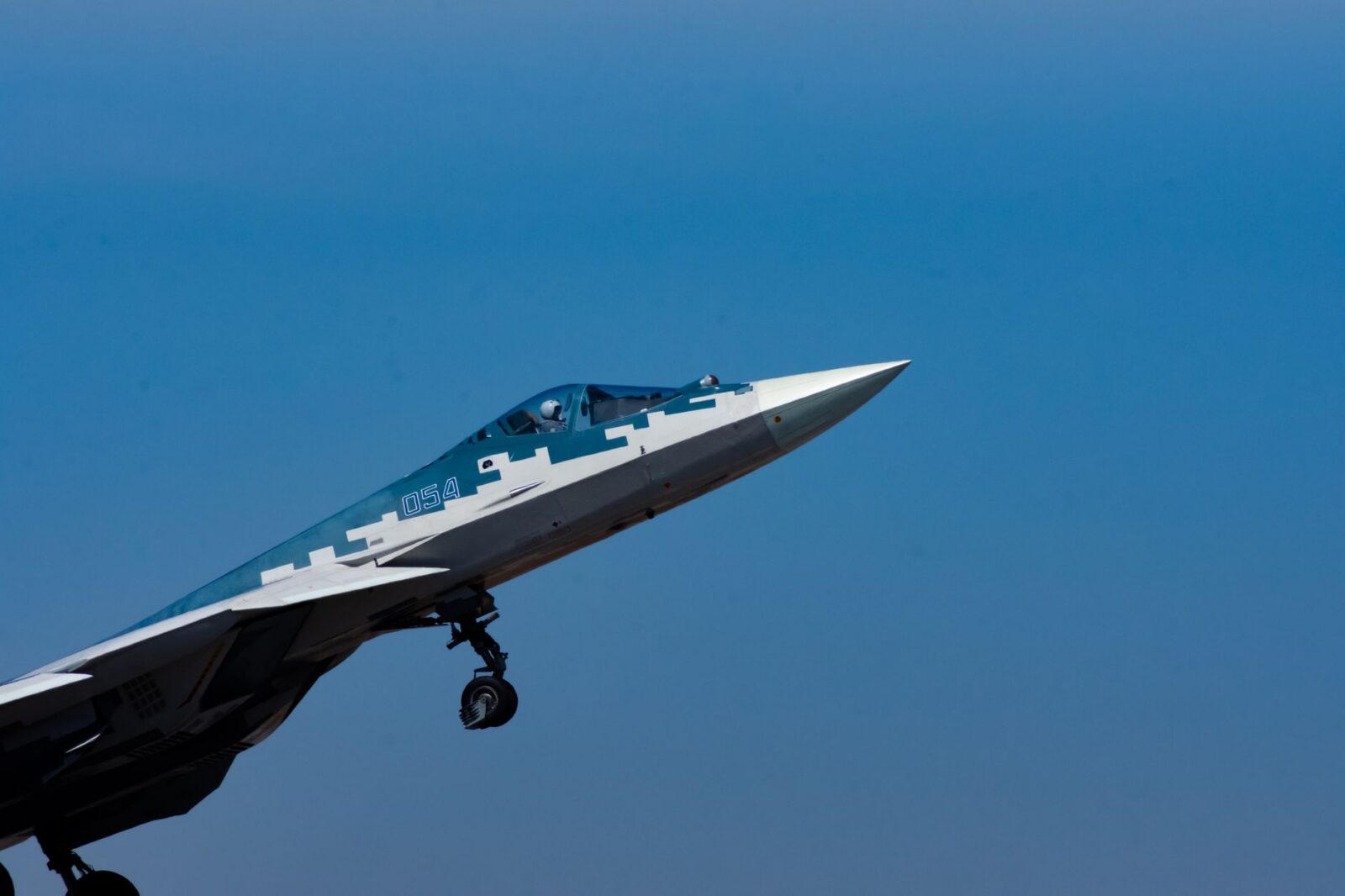
On June 27, 2026, a significant geopolitical event unfolded as Russian and Chinese military aircraft entered South Korea’s air defense identification zone (ADIZ). This maneuver, characterized by the simultaneous presence of military assets from both countries, marks a troubling escalation in regional tensions, particularly as North Korea’s military activities continue to provoke concerns among its neighbors.
The aircraft were reportedly engaged in routine patrols, yet their entry into the ADIZ, which South Korea closely monitors, is viewed as a direct challenge to South Korea’s sovereignty and a demonstration of the growing military cooperation between Russia and China. Both nations have been increasingly assertive in their military postures, often conducting joint exercises that signal their strategic alignment against perceived threats from the United States and its allies in the region.
This incident matters on a global scale as it underscores the shifting balance of power in East Asia. The presence of Russian and Chinese military forces in close proximity to South Korea raises alarms about potential military confrontations and complicates the security dynamics for the United States, which maintains a robust military presence in South Korea as part of its defense commitments. The United States has expressed concerns over such incursions, viewing them as provocative actions that could lead to miscalculations in an already volatile region.
Looking ahead, this incident could lead to increased military readiness among South Korean and U.S. forces, as well as heightened diplomatic efforts to address the security challenges posed by the growing collaboration between Moscow and Beijing. The potential for further incursions or joint military exercises by Russia and China may lead to a more militarized atmosphere in East Asia, necessitating urgent discussions among regional stakeholders to mitigate risks and promote stability.
Source: Latest news from Azerbaijan










Zac Thornton Secures First Career Win as Mets Defeat Brewers 4-0
Zac Thornton's debut victory underscores a pivotal moment for the New York...
 1 Mins read

FBI Director Undertakes Sensitive Mission to Russia Amid Heightened Tensions
The FBI chief's visit underscores critical U.S.-Russia relations and global security challenges.
1 Mins read

Rock Star Cites ‘War Economy’ in Postponement of Tour Amid Political Climate
The postponement of a major rock tour highlights the intersection of culture...
1 Mins read



Allegations of Noncitizen Voter Registration Emerge in New Jersey
The integrity of electoral processes is under scrutiny as allegations of noncitizen...
1 Mins read
